Cosmetic injectable treatments have become increasingly popular among people seeking a refreshed, youthful appearance without undergoing surgery. Among the most widely discussed options are Botox injections and dermal fillers. Although both treatments help improve visible signs of ageing, they work differently and address different aesthetic concerns. Understanding their differences can help individuals make informed decisions about which option may be more suitable for their needs.
For individuals exploring Botox Injections in Muscat, learning how Botox compares with dermal fillers is an important first step. Both treatments can soften facial lines and enhance facial appearance, but the right choice depends on factors such as skin condition, facial structure, treatment goals, and personal preferences. Knowing what each procedure involves can make the decision easier and help establish realistic expectations.
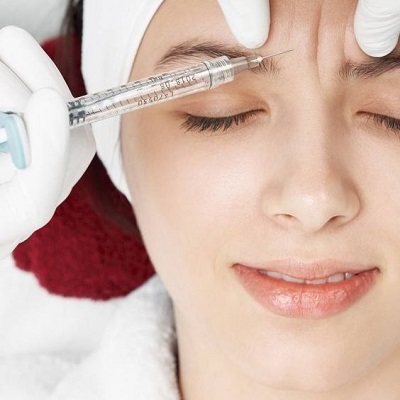
1. Understanding Botox Injections and Dermal Fillers
Botox and dermal fillers are injectable cosmetic treatments designed to improve facial appearance. However, they work through different mechanisms and are used to address separate concerns.
What Are Botox Injections?
Botox is a purified form of botulinum toxin type A. It works by temporarily blocking nerve signals that cause specific facial muscles to contract. When these muscles relax, the appearance of dynamic wrinkles, which develop through repeated facial movements, becomes less noticeable.
Botox is commonly used to treat:
- Forehead lines caused by repeated expressions.
- Frown lines between the eyebrows.
- Crow's feet around the outer corners of the eyes.
- Certain other expression-related wrinkles.
- Selected medical conditions, such as excessive sweating and some muscle-related concerns, depending on the approved indication.
The treatment is particularly useful for people who want to soften wrinkles that appear when smiling, frowning, or raising their eyebrows.
What Are Dermal Fillers?
Dermal fillers are injectable substances designed to restore lost volume, improve facial contours, and soften certain types of wrinkles. Many commonly used fillers contain hyaluronic acid, a substance naturally found in the body that helps maintain hydration and volume.
Fillers are generally used to address:
- Loss of volume in the cheeks.
- Deeper folds around the nose and mouth.
- Thinning or loss of definition in the lips.
- Hollow areas beneath the eyes in appropriately selected individuals.
- Certain facial contouring concerns.
Unlike Botox, fillers do not relax facial muscles. Instead, they add volume beneath the skin to create a fuller and more balanced appearance.
2. Key Differences Between Botox and Fillers
Although Botox and dermal fillers are both non-surgical cosmetic treatments, their purposes, techniques, and results are different.
Understanding these differences helps individuals identify which treatment may better address their specific concerns.
Treatment Purpose
Botox primarily targets dynamic wrinkles caused by repetitive muscle movements. It reduces muscle activity, allowing the overlying skin to appear smoother.
Fillers focus on restoring facial volume and improving contours. They are more appropriate for concerns related to volume loss, deeper creases, and certain facial proportions.
How They Work
Botox temporarily reduces the activity of selected facial muscles by interrupting nerve signals.
Dermal fillers work by adding volume beneath the skin. Depending on the product and treatment area, they may also help support hydration and improve the appearance of certain facial features.
Treatment Areas
Botox is commonly used on the upper face, particularly the forehead, between the eyebrows, and around the eyes.
Fillers are frequently used in the cheeks, lips, chin, jawline, and areas affected by facial volume loss.
Time Required for Results
Botox does not produce its full effect immediately. Initial changes may become noticeable within three to five days, while the full effect generally develops within approximately 10 to 14 days.
Many hyaluronic acid fillers provide visible volume changes immediately after treatment, although swelling and minor bruising may temporarily affect the final appearance.
Duration of Results
Botox results commonly last around three to four months, although individual experiences vary.
Dermal filler results may last from several months to more than a year, depending on the product, treatment location, amount injected, and individual metabolism.
3. Which Treatment Is Better for Different Facial Concerns?
There is no single answer to whether Botox or fillers are better. Each treatment is designed for particular aesthetic concerns, so the most appropriate option depends on the individual's facial features and desired results.
For Forehead Lines and Frown Lines
Botox is generally the preferred treatment for forehead lines and vertical frown lines between the eyebrows. These wrinkles develop mainly because of repeated muscle contractions.
By relaxing the targeted muscles, Botox can soften their appearance and help create a smoother forehead.
Fillers are not usually the first choice for treating these expression-related lines because they do not address the underlying muscle activity.
For Crow's Feet
Crow's feet appear around the outer corners of the eyes, especially when a person smiles or squints.
Botox can help reduce these lines by temporarily relaxing the muscles responsible for their formation. The treatment is commonly selected for people who want to soften expression-related wrinkles around the eyes.
For Thin Lips and Loss of Facial Volume
Dermal fillers are generally more suitable for people who want fuller lips or improved facial volume.
Hyaluronic acid fillers can enhance lip definition, restore cheek volume, and improve selected facial contours. Results depend on the amount used and the individual's natural facial structure.
Botox does not directly add volume to the lips or cheeks, making it less appropriate for these concerns.
For Deep Facial Folds
Deeper folds around the nose and mouth may become more noticeable as facial volume decreases with age.
Dermal fillers can help soften certain folds by restoring underlying volume. However, treatment suitability depends on the location, depth, skin condition, and overall facial anatomy.
For a More Youthful Overall Appearance
Some individuals experience both dynamic wrinkles and age-related volume loss. In these situations, a combination of Botox and dermal fillers may provide a more comprehensive approach.
A qualified medical professional can assess the face and determine whether one treatment or a carefully planned combination is appropriate.
4. Benefits, Risks, and Recovery of Both Treatments
Both Botox and dermal fillers offer non-surgical approaches to facial rejuvenation. However, each treatment has potential benefits, limitations, and risks that should be understood before proceeding.
Benefits of Botox
- Helps reduce the appearance of expression-related wrinkles.
- Offers a non-surgical approach to facial rejuvenation.
- Requires relatively little treatment time.
- Usually involves minimal downtime.
- Can create a smoother and more refreshed appearance.
- Produces temporary results that allow treatment plans to be adjusted over time.
Potential Risks of Botox
Botox is generally well tolerated when administered appropriately, but side effects can occur.
Common temporary effects include mild redness, swelling, tenderness, and bruising around injection sites. Some individuals may experience headaches or temporary eyelid or eyebrow drooping.
Rarely, the effects of botulinum toxin may spread beyond the injection area and cause more serious symptoms, including difficulty swallowing, speaking, or breathing. These symptoms require immediate medical attention.
Benefits of Dermal Fillers
- Restore lost facial volume.
- Improve the appearance of selected facial folds.
- Enhance lip shape and definition.
- Support facial contouring.
- Provide visible results shortly after treatment.
- Offer different formulations for different aesthetic concerns.
Potential Risks of Dermal Fillers
Temporary swelling, bruising, redness, tenderness, and small lumps may develop following treatment.
Although uncommon, more serious complications can occur. One particularly important risk is accidental injection into a blood vessel, which can restrict blood flow and cause tissue damage. In rare cases, vascular complications involving facial filler injections can result in vision impairment or blindness.
For this reason, fillers should only be administered by appropriately trained and qualified medical professionals who understand facial anatomy and can manage complications.
Recovery and Aftercare
Both treatments generally involve limited downtime, but appropriate aftercare is important.
After Botox, individuals are commonly advised to avoid rubbing or massaging the treated areas and to follow the specific instructions provided by their healthcare professional.
After dermal fillers, temporary swelling and bruising may occur. Avoiding unnecessary pressure on the treated areas and following professional aftercare guidance can support recovery.
Any unusual pain, skin discoloration, vision changes, or rapidly worsening symptoms after filler injections require urgent medical assessment.
5. Factors to Consider Before Choosing Botox or Fillers
Choosing between Botox and dermal fillers involves more than simply deciding which treatment is more popular. Several factors can influence the suitability and expected outcome of each procedure.
Individual Skin and Facial Concerns
The first consideration is the type of concern being treated. Dynamic wrinkles generally respond better to Botox, while volume loss and certain deeper folds may be better addressed with dermal fillers.
An assessment of facial movements, skin quality, and underlying facial structure can help determine the most appropriate treatment.
Desired Results
Some individuals want to soften visible expression lines without changing their natural facial shape. Others want fuller lips, more defined cheeks, or improved facial proportions.
Clearly identifying the desired outcome helps guide treatment selection.
Longevity of Results
Botox typically requires repeat treatments every few months to maintain its effects.
Fillers may last longer, depending on the formulation and injection area. However, neither treatment provides permanent results, and maintenance requirements vary between individuals.
Medical History and Safety
Medical history is another important consideration. Certain health conditions, allergies, medications, and previous cosmetic procedures may affect treatment suitability.
Individuals should discuss their medical history, current medications, pregnancy or breastfeeding status, and any previous reactions to injectable treatments with a qualified healthcare professional before proceeding.
Professional Assessment
A qualified practitioner should assess facial anatomy, discuss realistic expectations, explain possible complications, and recommend an appropriate treatment plan.
The safest approach involves selecting treatment based on individual needs rather than following trends or choosing a procedure simply because it is popular.
6. Can Botox and Dermal Fillers Be Used Together?
Yes. Botox and dermal fillers can sometimes be combined to address different signs of facial ageing.
Since these treatments work in different ways, they can complement each other when used appropriately.
For example, Botox may be used to soften forehead lines and crow's feet, while dermal fillers may help restore cheek volume or improve lip definition.
A combination approach may be considered for individuals experiencing both dynamic wrinkles and age-related volume loss.
However, combining treatments does not automatically produce better results. The decision should be based on facial anatomy, treatment goals, medical history, and individual suitability.
A carefully planned approach is important to maintain natural facial expressions and balanced proportions. The practitioner should also explain the timing of treatments, expected outcomes, and potential risks associated with each injectable procedure.
Frequently Asked Questions
1. Is Botox better than dermal fillers?
Neither treatment is universally better. Botox is generally more suitable for expression-related wrinkles, while dermal fillers are designed to restore lost volume and improve facial contours. The right option depends on the individual's concerns and desired results.
2. How long do Botox injections last?
Botox results typically last around three to four months. However, the duration may vary depending on the treatment area, dosage, muscle activity, and individual response.
3. Do dermal fillers provide immediate results?
Many dermal fillers provide visible results immediately after injection. However, temporary swelling and bruising can affect the appearance during the initial recovery period. The final result becomes easier to assess once these effects settle.
4. Can Botox and fillers be used at the same time?
Yes, both treatments can be included in the same overall facial rejuvenation plan when appropriate. Botox addresses muscle-related wrinkles, while fillers restore volume. A qualified practitioner should determine whether combining them is suitable.
5. Are Botox injections and dermal fillers safe?
Both procedures are generally considered safe when performed by appropriately qualified and experienced medical professionals using approved products. However, they carry potential risks and side effects. Proper assessment, sterile techniques, appropriate product selection, and suitable aftercare are essential.
6. Which treatment looks more natural?
Both Botox and fillers can produce natural-looking results when used conservatively and appropriately. Natural results depend on correct product selection, suitable injection techniques, and an understanding of individual facial anatomy. Excessive treatment can create an unnatural appearance with either option.
Final Thoughts
Choosing between Botox injections and dermal fillers depends on the specific signs of ageing an individual wants to address. Botox is generally the preferred option for softening dynamic wrinkles caused by repeated facial movements, while dermal fillers are more suitable for restoring volume, improving contours, and enhancing selected facial features.
Both treatments offer non-surgical approaches to facial rejuvenation, but neither is a universal solution. Understanding how they work, their benefits, limitations, and possible risks can help individuals make informed decisions.
A professional consultation is the most important step towards selecting an appropriate treatment. With realistic expectations and an individually tailored approach, Botox and dermal fillers can help improve facial appearance while maintaining natural-looking results.
Read More About Botox Injections: ,a href="https://pdplex.blog/botox-injections-for-forehead-lines-are-they-effective/">https://pdplex.blog/botox-injections-for-forehead-lines-are-they-effective/