Breast lift surgery, also known as mastopexy, can help improve breast position, shape, and overall contour by removing excess skin and repositioning the breast tissue. While the procedure itself is an important part of achieving the desired result, the recovery period plays an equally significant role in supporting proper healing.
Anyone considering Breast Lift Surgery in Muscat should understand that aftercare is not simply about resting for a few days. Proper recovery involves following postoperative instructions, protecting the surgical area, gradually returning to normal activities, maintaining healthy habits, and recognizing signs that may require medical attention.
Every person's recovery can be slightly different. Factors such as the surgical technique, general health, skin quality, lifestyle, and extent of the procedure can influence healing. The treating surgical team will provide personalized instructions, and those recommendations should always take priority over general guidance.
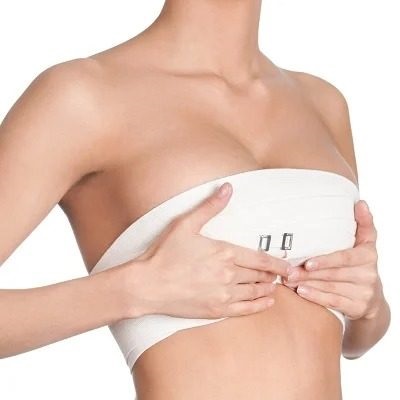
What to Expect Immediately After Breast Lift Surgery
The first few days after breast lift surgery are generally focused on rest, protection, and controlling normal postoperative discomfort. Patients may experience swelling, bruising, tightness, soreness, or temporary changes in breast sensation.
The breasts may also appear higher, firmer, or slightly uneven during the early recovery period. This is usually not an indication of the final result because swelling and tissue healing can temporarily affect breast shape.
Dressings, surgical tape, compression garments, or a specialized postoperative bra may be recommended depending on the surgical approach. These measures can help protect the incisions and support the breasts while the tissues heal.
Pain medication may be prescribed or recommended to manage discomfort. Patients should use medications exactly as instructed and should not add supplements or over-the-counter medicines without checking whether they are appropriate after surgery.
The first several days are also a good time to arrange practical support at home. Assistance with household activities, childcare, shopping, or transportation can make recovery more comfortable and reduce unnecessary physical strain.
Caring for Surgical Incisions
Incision care is one of the most important aspects of breast lift aftercare. The surgical team will explain how the wounds should be cleaned, covered, and monitored.
Patients should avoid touching the incision unnecessarily and should wash their hands thoroughly before any wound care. Dressings should be changed only according to the provided instructions.
Depending on the technique used, breast lift incisions may be located around the areola, vertically down the breast, or along the breast crease. Some patients may have a combination of these incision patterns.
Scarring is a normal part of breast lift surgery. Initially, scars may appear pink, red, raised, or darker than the surrounding skin. Over time, they generally become flatter and less noticeable, although the final appearance varies between individuals.
Sun exposure should be limited while scars are healing because ultraviolet exposure can cause scars to become more noticeable. Once the surgical team confirms that the incisions have healed sufficiently, recommended scar-care products or sun protection may be introduced.
Patients should never apply creams, oils, silicone products, or other substances directly to healing incisions unless they have been advised to do so by their healthcare professional.
Wearing the Right Postoperative Support
A supportive postoperative bra can be an important part of breast lift recovery. Depending on the surgical technique and individual circumstances, a specialized surgical bra or another supportive garment may be recommended.
The purpose is generally to provide comfortable support without placing excessive pressure on healing tissues. A properly fitted garment should not cause significant pain, numbness, skin discoloration, or difficulty breathing.
Underwire bras may need to be avoided temporarily because the wire can rub against incision areas, particularly when an incision extends beneath the breast. The timing for returning to regular bras varies from person to person.
Patients should follow the specific guidance provided by their surgical team rather than switching garments too early.
Comfort is particularly important during the first few weeks. Loose clothing that is easy to put on and remove can also make dressing easier when arm movement is limited.
Managing Swelling, Bruising, and Discomfort
Swelling and bruising are common following breast lift surgery. The body naturally sends fluids and inflammatory cells to the treated area as part of the healing process.
Keeping the upper body appropriately elevated while resting may help with comfort and swelling. However, patients should follow their surgical team's instructions regarding sleeping positions.
Many people are advised to sleep on their back during the initial recovery period. Sleeping on the stomach or directly putting pressure on the breasts may be uncomfortable and can interfere with healing.
Cold packs may sometimes be recommended for swelling, but they should never be placed directly against the skin or incisions. The surgical team should be consulted before using cold therapy, particularly during the first few days.
Swelling usually decreases gradually rather than disappearing immediately. Because one breast can heal faster than the other, temporary asymmetry may occur during recovery.
If swelling suddenly becomes severe, particularly on one side, or is accompanied by increasing pain, significant redness, drainage, fever, or other concerning symptoms, medical advice should be sought promptly.
Physical Activity and Returning to Daily Life
One of the most important breast lift aftercare tips is to avoid doing too much too soon.
Although gentle movement is often encouraged after surgery, strenuous exercise, heavy lifting, and activities that place stress on the chest should generally be avoided until the surgical team considers them safe.
Short, gentle walks may be appropriate for many patients and can help maintain circulation during recovery. However, activity should be increased gradually.
Household tasks can also require more physical effort than expected. Lifting children, carrying heavy shopping bags, reaching repeatedly overhead, vacuuming, and vigorous cleaning may place strain on the chest and arms.
Patients should return to work according to the nature of their job and their individual recovery. Someone with a desk-based role may return sooner than someone whose occupation involves lifting, physical labor, or extensive arm movement.
Exercise routines should also be resumed gradually. High-impact activities and upper-body workouts should wait until adequate healing has occurred and clearance has been provided.
Following activity restrictions does not mean complete inactivity. The goal is controlled movement without placing unnecessary stress on healing tissues.
Nutrition, Hydration, and Healthy Recovery Habits
The body needs adequate nutrients to repair tissues after surgery. A balanced diet containing sufficient protein, vegetables, fruits, whole grains, and other nutrient-rich foods can support general recovery.
Protein is particularly important because it contributes to tissue repair and healing. Good sources can include eggs, fish, poultry, dairy products, legumes, nuts, and other protein-rich foods according to individual dietary preferences.
Staying adequately hydrated is also important. Water supports many normal bodily functions and can help the body during the recovery process.
Smoking and nicotine use can interfere with wound healing and increase the risk of complications. Anyone who smokes should discuss cessation with the surgical team before and after the procedure.
Alcohol may also interact with certain medications and can interfere with recovery habits. Patients should follow the specific instructions they receive about when it is safe to resume drinking.
Sleep is another often-overlooked part of recovery. Adequate rest gives the body time to focus on tissue repair. Creating a comfortable sleeping arrangement before surgery can make the first days at home easier.
Warning Signs That Should Not Be Ignored
Most breast lift recoveries progress without serious problems, but patients should know which symptoms warrant medical attention.
Some discomfort, swelling, bruising, and mild changes in sensation can be expected. However, certain symptoms may indicate infection, bleeding, wound problems, or another complication.
A patient should contact the surgical team if there is:
- Increasing rather than improving pain
- Sudden or significant swelling
- Persistent or worsening redness around an incision
- Pus-like or foul-smelling drainage
- Fever or chills
- Significant bleeding
- Wound separation
- New or severe breast asymmetry
- Skin becoming unusually pale, dark, or cool
- Shortness of breath or chest pain
Severe breathing difficulty, chest pain, fainting, or other serious symptoms should be treated as an emergency.
Prompt communication with the healthcare team is important. Patients should not attempt to diagnose a postoperative complication themselves or wait for a scheduled follow-up if concerning symptoms develop.
Follow-Up Appointments and Long-Term Breast Lift Care
Follow-up appointments are an important part of recovery after Breast Lift Surgery in Muscat. These visits allow the surgical team to assess incision healing, swelling, breast position, and overall progress.
Patients should attend all recommended appointments even if recovery appears to be going well. Some healing issues may not be obvious without a professional examination.
The appearance of the breasts can continue changing for several weeks or months. Swelling gradually settles, scars mature, and breast tissue becomes softer as healing progresses.
It is important not to judge the final outcome too early. The breasts may initially look unusually high or firm, and their shape may change as the tissues settle into their longer-term position.
Maintaining a relatively stable body weight can also help preserve the results. Significant weight gain or loss can alter breast volume and skin elasticity.
Pregnancy can similarly affect breast shape after a lift. Individuals considering future pregnancy may wish to discuss timing with their surgical team before undergoing the procedure.
Good skin care, sun protection, healthy nutrition, physical activity after clearance, and avoiding smoking can all contribute to general long-term wellbeing and may help support the appearance of the surgical results.
1. How long does recovery take after breast lift surgery?
Recovery varies depending on the individual and the extent of surgery. Many people can gradually return to light daily activities within a relatively short period, while complete tissue healing and settling take considerably longer. The surgical team provides personalized guidance about work, exercise, and other activities.
2. Can a patient shower after breast lift surgery?
The timing for showering depends on the surgical technique, dressings, drains if used, and incision healing. Patients should follow the specific bathing instructions provided by their surgical team rather than getting the incisions wet before clearance.
3. When can normal exercise be resumed after a breast lift?
Light walking may be encouraged relatively early, but strenuous exercise, heavy lifting, running, and upper-body workouts generally need to wait until the tissues have adequately healed. The exact timeline should be determined by the treating surgical team.
4. How should someone sleep after breast lift surgery?
Many patients are advised to sleep on their back during the initial recovery period to reduce pressure on the breasts. The upper body may be slightly elevated for comfort if recommended. Stomach sleeping and positions that put direct pressure on the breasts should generally be avoided until healing allows them.
5. Are scars permanent after breast lift surgery?
Breast lift scars are permanent, but their appearance can improve substantially over time. They may initially be more noticeable and gradually become flatter and lighter as they mature. Individual healing characteristics, genetics, incision technique, and aftercare can all affect scar appearance.
6. When should a patient contact the surgical team after a breast lift?
The surgical team should be contacted if symptoms are unexpectedly severe, worsening, or unusual. Significant swelling, increasing pain, fever, concerning drainage, wound separation, heavy bleeding, sudden breast changes, chest pain, or breathing difficulties require prompt medical attention.
Read More About Breast Lift Surgery: https://pastelink.net/9n2mmzid