Breast reduction, also known as reduction mammoplasty, is a type of <a href="https://www.enfieldroyalclinics.om/breast-surgery/>"Breast Surgery designed to reduce excess breast tissue, fat, and skin to create a breast size that is more comfortable and proportionate to the body. While breast size is often discussed in terms of appearance, overly large or heavy breasts can also affect physical comfort, daily activities, posture, clothing choices, and overall quality of life.
For some individuals, breast reduction is primarily a cosmetic choice. For others, it may be considered because large breasts are associated with persistent neck, shoulder, or back discomfort, skin irritation, difficulty exercising, or other physical concerns. The decision to undergo Breast Surgery is personal, and suitability depends on an individual's health, symptoms, expectations, anatomy, and goals.
Understanding who may benefit from breast reduction can help individuals have more informed conversations with a qualified healthcare professional.
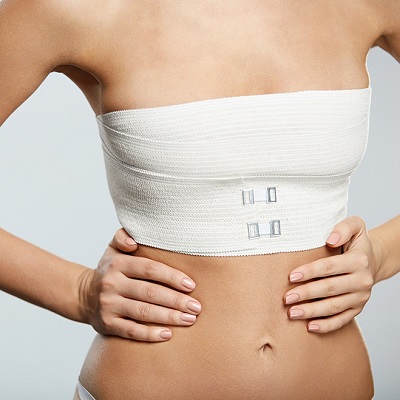
What Is Breast Reduction Surgery?
Breast reduction is a surgical procedure that removes a portion of excess breast tissue, fat, and skin. The remaining tissue is then reshaped to create a smaller and more balanced breast contour. In many cases, the nipple and areola are also repositioned to suit the new breast shape.
The exact surgical approach varies from person to person. Factors such as breast size, skin elasticity, the amount of tissue that needs to be removed, breast shape, and the desired outcome can influence the technique selected.
Unlike procedures that primarily add volume, breast reduction focuses on reducing excess tissue while maintaining a natural-looking shape. It may also involve reshaping the breasts to improve proportion and symmetry.
Breast reduction is generally considered a major surgical procedure rather than a simple cosmetic treatment. Like any surgery, it involves potential risks, recovery time, and the need for appropriate medical assessment beforehand.
Who May Benefit From Breast Reduction?
Breast reduction may be considered by adults who experience physical or emotional concerns related to disproportionately large breasts. There is no single breast size that automatically makes someone a candidate. Instead, healthcare professionals generally consider symptoms, overall health, expectations, and whether surgery is likely to provide meaningful benefits.
One of the most common reasons people consider Breast Surgery for reduction is persistent physical discomfort. Heavy breasts can place additional strain on the neck, shoulders, and upper back. Some individuals may experience discomfort after standing, walking, working, or exercising for extended periods.
Breast reduction may also be considered when breast size interferes with physical activity. Some people find running, sports, strength training, or other forms of exercise uncomfortable because of breast weight or movement. Reducing breast volume may make certain activities easier and more comfortable.
Another potential reason is difficulty finding suitable clothing. Large breasts can make it challenging to find bras, tops, dresses, or sportswear that fit comfortably. Although clothing concerns alone do not necessarily indicate a medical need for surgery, they can contribute to a person's overall experience and quality of life.
Individuals who experience ongoing skin irritation beneath the breasts may also discuss reduction with a healthcare professional. Moisture and friction in the fold beneath the breasts can contribute to recurring irritation or discomfort, particularly in warm conditions.
Physical Symptoms That May Lead Someone to Consider Surgery
Large breasts can affect the body in several ways. Not everyone with larger breasts experiences symptoms, but some individuals report issues that become difficult to manage through lifestyle adjustments alone.
Common concerns may include:
- Persistent neck or upper-back discomfort
- Shoulder pain or pressure from bra straps
- Difficulty maintaining comfortable posture
- Skin irritation beneath the breasts
- Difficulty participating in physical activities
- Discomfort while sleeping
- Difficulty finding properly fitting clothing
- Feelings of heaviness or physical strain
- Reduced confidence related to breast size or body proportions
It is important to recognize that these symptoms can have many possible causes. Back or neck pain, for example, may result from posture, muscle problems, injuries, or other medical conditions. A proper medical assessment can help determine whether breast size is likely to be contributing to the problem.
For some individuals, conservative approaches such as supportive bras, posture changes, physical therapy, exercise modifications, or weight management may help. When these measures do not adequately address ongoing concerns, Breast Surgery may be discussed as another option.
What Factors Are Considered Before Breast Surgery?
A consultation before breast reduction is an important part of the process. The healthcare professional will typically review the individual's medical history, current medications, previous surgeries, allergies, general health, and reasons for considering surgery.
The breasts may also be examined to assess their size, shape, symmetry, skin quality, and tissue characteristics. Measurements can help with surgical planning, although the final outcome cannot always be predicted with complete precision.
Personal expectations are another important consideration. Breast reduction can make the breasts smaller and may improve body proportions, but it cannot guarantee perfect symmetry or eliminate every physical complaint.
Age and life circumstances may also be relevant. Individuals who are still experiencing significant breast development may need to discuss whether it is an appropriate time for surgery. Pregnancy and breastfeeding can also change breast size and shape, which may affect the timing of the procedure.
A healthcare professional may recommend appropriate breast screening before surgery depending on the individual's age, history, symptoms, and risk factors.
General health also matters. Certain medical conditions, smoking, some medications, and other factors may increase surgical or healing risks. These issues should be discussed openly during the consultation.
What Can Someone Expect During Recovery?
Recovery from breast reduction varies from person to person. The surgical area generally requires time to heal, and temporary swelling, bruising, tenderness, tightness, or changes in sensation can occur.
A healthcare professional usually provides specific instructions regarding wound care, medication, supportive garments, bathing, sleeping positions, and activity restrictions.
Light daily activities may gradually become easier as recovery progresses, but strenuous exercise and heavy lifting are commonly restricted for a period determined by the surgical team. Returning to normal activities too quickly can interfere with healing.
Scars are an expected part of breast reduction surgery. Their location and appearance depend on the surgical technique, individual healing characteristics, skin type, and other factors. Scars generally change over time and may become less noticeable, although they do not always disappear completely.
Changes in nipple or breast sensation can also occur. Some individuals experience temporary numbness or increased sensitivity, while others may have longer-lasting changes. Breastfeeding ability can potentially be affected depending on the surgical technique and individual circumstances.
Because healing is different for everyone, recovery should be viewed as a gradual process rather than a fixed timeline.
Potential Benefits and Risks of Breast Reduction
The potential benefits of breast reduction can extend beyond changes in breast size. For suitable candidates, reducing breast volume may help relieve physical strain and make everyday activities more comfortable.
Some individuals may experience improved comfort when exercising, sleeping, or wearing clothing. Others may feel more confident about their body proportions.
However, Breast Surgery also has potential risks. These can include infection, bleeding, delayed wound healing, noticeable scarring, changes in breast or nipple sensation, asymmetry, fluid accumulation, and changes in breast shape over time.
Rare but more serious complications can occur with any major surgery. The risk profile varies depending on the individual's health, surgical technique, and other factors.
Breast size and shape can also change after surgery because of pregnancy, significant weight changes, aging, hormonal changes, or natural skin elasticity. Therefore, surgery should not be viewed as a guarantee that breast appearance will remain unchanged permanently.
A qualified healthcare professional can explain the potential benefits and risks based on the individual's circumstances.
How to Decide Whether Breast Reduction Is Right for Someone
Choosing Breast Surgery for reduction is a personal decision. There is no requirement for someone to undergo surgery simply because their breasts are considered large, and there is no need to pursue surgery solely because of social or aesthetic expectations.
A person may be more likely to consider breast reduction when breast size consistently causes physical discomfort, limits activities, creates recurring skin problems, or negatively affects quality of life.
A consultation can help clarify whether symptoms are likely to be related to breast size and whether surgery is a reasonable option. It can also provide an opportunity to discuss the desired breast size, expected changes, possible scars, recovery, risks, and alternatives.
Realistic expectations are particularly important. Breast reduction can produce significant changes, but every body heals differently. The final result may not be perfectly symmetrical, and some symptoms may have causes unrelated to breast size.
Individuals considering surgery should also provide a complete medical history and discuss any medications, supplements, smoking habits, previous breast procedures, and plans for pregnancy or breastfeeding.
Ultimately, the best decision is one made after understanding both the potential benefits and limitations of the procedure.
Frequently Asked Questions About Breast Surgery
1. Is breast reduction considered cosmetic Breast Surgery?
Breast reduction can have both cosmetic and functional goals. Some individuals pursue it primarily to improve breast proportions, while others consider it because large breasts contribute to physical discomfort or interfere with everyday activities. The reason for surgery varies from person to person.
2. Can breast reduction help with back and shoulder discomfort?
Breast reduction may help individuals whose breast weight contributes to neck, shoulder, or upper-back discomfort. However, pain can have many causes, so a medical assessment is important before assuming that breast size is the main reason for the symptoms.
3. Does breast reduction leave scars?
Yes. Breast reduction requires incisions, so some degree of scarring is expected. The location and appearance of scars depend on the surgical technique and individual healing. Scars often change and become less noticeable over time, but they generally do not disappear completely.
4. Can someone breastfeed after breast reduction?
Breastfeeding may still be possible for some people after breast reduction, but the ability to breastfeed can be affected depending on the surgical technique and how breast tissue and ducts are handled. Anyone planning future pregnancies or breastfeeding should discuss this before surgery.
5. How long does recovery from breast reduction take?
Recovery varies depending on the individual and the extent of surgery. Many people gradually return to normal daily activities as healing progresses, while strenuous exercise and heavy lifting may need to be avoided for longer. The surgical team provides personalized recovery instructions.
6. Is breast reduction suitable for everyone with large breasts?
Not necessarily. Suitability depends on overall health, symptoms, breast anatomy, expectations, lifestyle factors, and individual circumstances. A consultation with a qualified healthcare professional is the best way to determine whether breast reduction is appropriate.
Read More About Breast Surgery: https://writer.zohopublic.com/writer/published/59xjx8a5e53b3b79443dfb667514581b21eef