A tired-looking complexion can make the face appear dull, uneven, or less refreshed, even when a person is getting enough sleep and following a regular skincare routine. Factors such as sun exposure, pollution, dehydration, stress, buildup of dead skin cells, and natural skin aging can all contribute to a lacklustre appearance. For people who want to improve skin texture and brightness without choosing a highly aggressive treatment, an organic peel may be worth considering.
An organic peel is a skin-resurfacing treatment that uses naturally derived ingredients, often including plant-based acids, fruit enzymes, or other botanical compounds, to help loosen dead skin cells and encourage a smoother-looking surface. The specific ingredients and strength can vary considerably between treatments, so professional assessment is important before proceeding.
For individuals researching Organic Peel in Muscat, understanding what the treatment can and cannot do is an important first step. An organic peel may help refresh a dull complexion, improve the appearance of uneven texture, and support a brighter-looking complexion. However, results depend on the individual's skin type, concerns, treatment formulation, and aftercare.
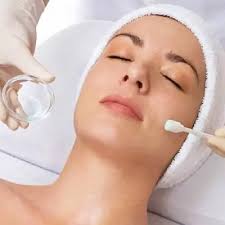
What Causes a Complexion to Look Tired?
A tired-looking complexion is not always caused by lack of sleep. Several skin-related and environmental factors can gradually affect the way the face looks.
Dead skin cells can accumulate on the surface, making the skin appear rough or less radiant. When the natural shedding process slows, the complexion may lose some of its usual smoothness and brightness. Excessive sun exposure can also contribute to uneven pigmentation, dryness, and visible signs of premature aging.
Dehydration is another common factor. When the skin lacks sufficient moisture, fine lines may appear more noticeable and the surface can look dull or tight. Environmental conditions, including heat, dry air, dust, and pollution, may further challenge the skin barrier.
Lifestyle factors can also play a role. Stress, smoking, poor nutrition, insufficient rest, and inconsistent skincare may affect the overall appearance of the skin. In some cases, hormonal changes or underlying skin conditions can contribute to persistent dullness.
Because there are many possible causes, a peel should not automatically be considered the answer to every complexion concern. A proper skin assessment can help determine whether exfoliation is appropriate or whether another approach would be more suitable.
How Does an Organic Peel Work?
An organic peel is designed to exfoliate the outermost layers of the skin in a controlled manner. Depending on its formulation, it may contain naturally sourced acids or enzymes that help break down the bonds between dead surface cells.
Once these cells are loosened and removed, the skin may look smoother and more refreshed. Regular, appropriately spaced exfoliation can also make the surface feel softer and help skincare products spread more evenly.
Some organic peel formulations may contain ingredients selected for their antioxidant, soothing, or hydrating properties. However, "organic" does not automatically mean that a treatment is suitable for every skin type or completely free from irritation. Natural ingredients can still cause sensitivity or allergic reactions in some individuals.
The strength of the peel matters as well. A mild superficial peel is generally intended to work primarily on the outermost skin layers, while stronger formulations can have a more noticeable effect and may require more recovery. The appropriate option depends on the person's skin condition and treatment goals.
Can an Organic Peel Improve a Dull or Tired Complexion?
For the right candidate, an organic peel may help improve several features associated with a tired-looking complexion.
One of the most noticeable potential benefits is improved radiance. Removing accumulated dead cells can allow fresher-looking skin beneath the surface to become more visible. The complexion may therefore appear brighter and more even.
An organic peel may also help improve the feel of rough or uneven skin. When surface buildup is reduced, the skin can feel smoother to the touch. This can be particularly useful for people whose complexion looks dull because of dryness or accumulated dead skin.
Some peels may also help reduce the appearance of mild uneven pigmentation over time. Exfoliation can support the skin's natural renewal process, although persistent pigmentation often requires a more comprehensive skincare plan and careful sun protection.
Another potential benefit is a temporary improvement in how hydrated and polished the skin appears, particularly when the treatment is paired with suitable moisturising and barrier-supporting skincare.
It is important to keep expectations realistic. An organic peel is not a permanent solution for aging, deep wrinkles, significant pigmentation, severe acne, or underlying medical skin conditions. Its main role is generally to improve the surface appearance and texture of the skin.
What Can Someone Expect During and After the Treatment?
The experience can vary depending on the formulation and individual skin sensitivity. Before treatment, the skin is usually assessed and cleansed. The peel is then applied for a controlled period according to the treatment protocol.
Some people may experience mild tingling, warmth, or temporary sensitivity during application. A stronger sensation does not necessarily mean that a peel is producing better results. Significant burning or discomfort should be communicated to the treatment professional immediately.
After a superficial peel, the skin may appear slightly pink or feel tight for a short period. Some formulations may cause mild flaking or peeling in the following days. Other treatments may produce little visible peeling while still providing exfoliation.
Aftercare is an important part of the process. The skin should generally be treated gently after exfoliation. Harsh scrubs, unnecessary active ingredients, excessive heat, and other potentially irritating products may need to be avoided temporarily.
Sun protection is particularly important. Newly exfoliated skin can be more vulnerable to environmental exposure, so consistent use of broad-spectrum sunscreen and sensible sun avoidance can help protect the results and reduce the risk of irritation or pigmentation.
Who May Benefit From Organic Peel in Muscat?
People experiencing mild dullness, uneven surface texture, or a generally lacklustre complexion may consider an organic peel as part of a professional skincare plan. It can be particularly appealing to individuals who want a relatively simple resurfacing treatment rather than a more intensive procedure.
However, suitability should be determined individually. A person with very sensitive skin, active irritation, certain inflammatory skin conditions, open wounds, or an impaired skin barrier may not be an appropriate candidate at that particular time.
Individuals using prescription or strong active skincare products should also discuss their routine before receiving a peel. Ingredients such as retinoids or other exfoliating agents can affect skin sensitivity and may need to be paused according to professional advice.
People with a history of unusual pigmentation or previous reactions to skincare treatments should also mention this during consultation. Skin type, previous treatments, allergies, current products, and the desired outcome can all influence the treatment plan.
For anyone considering Organic Peel in Muscat, professional evaluation is especially useful for choosing an appropriate formulation and understanding the expected recovery period.
How to Maintain a Fresh-Looking Complexion After a Peel
An organic peel can support healthier-looking skin, but long-term results depend heavily on everyday habits. A simple skincare routine can help maintain the smoother appearance achieved after treatment.
Gentle cleansing can help remove sweat, oil, sunscreen, and environmental residue without unnecessarily disrupting the skin barrier. A suitable moisturiser can help maintain hydration and comfort, while daily sunscreen can help protect against ultraviolet exposure.
Sun protection is particularly important in sunny climates. Regular exposure without adequate protection can contribute to dullness, uneven pigmentation, and premature visible skin aging. Sunscreen should therefore be viewed as an everyday skincare essential rather than something used only after a cosmetic treatment.
Hydration, balanced nutrition, adequate sleep, and avoiding smoking can also support overall skin health. These habits cannot replace professional treatments, but they can complement a sensible skincare routine.
It is also worth avoiding excessive exfoliation. More exfoliation does not necessarily produce better skin. Over-exfoliating can weaken the skin barrier, increase sensitivity, and potentially worsen redness or irritation. A qualified professional can help determine how frequently a peel, if appropriate, should be repeated.
Is an Organic Peel Better Than Other Exfoliation Options?
There is no single exfoliation treatment that is best for everyone. The right choice depends on the person's skin type, concerns, sensitivity, and desired results.
Organic peels may appeal to people who prefer formulations featuring naturally derived ingredients. However, treatment effectiveness and safety depend on the complete formulation, concentration, application method, and professional technique—not simply whether ingredients are described as organic or natural.
At-home exfoliating products can provide mild surface exfoliation, while professional peels may offer a more controlled and targeted approach. Other professional resurfacing treatments may be considered when the primary concern involves more pronounced texture, pigmentation, acne scarring, or signs of aging.
A consultation can help distinguish between a temporary dull complexion and a concern that requires a different treatment strategy. The goal should always be healthy, balanced skin rather than aggressive exfoliation.
Frequently Asked Questions
1. Can an organic peel make a tired complexion look brighter?
Yes, an appropriately selected organic peel may improve the appearance of dullness by removing accumulated dead skin cells and promoting a smoother-looking surface. The degree of improvement varies from person to person and depends on the peel formulation and underlying cause of the dull appearance.
2. Does an organic peel cause visible peeling?
Not necessarily. Some organic peels can cause mild flaking, while others produce little or no obvious peeling. Visible peeling is not a reliable measure of treatment effectiveness. The expected response depends on the ingredients and strength of the peel.
3. How long do the results of an organic peel last?
Results can vary depending on skin type, lifestyle, skincare habits, sun exposure, and the reason for treatment. The refreshed appearance may be temporary, while a suitable series of treatments combined with good skincare may provide more consistent improvements over time.
4. Is an organic peel suitable for sensitive skin?
It may be suitable for some people with sensitive skin, but extra caution is necessary. The formulation, concentration, and individual skin condition all matter. Professional assessment can help determine whether a peel is appropriate and which type may be gentler.
5. Can someone use active skincare products after an organic peel?
Strong exfoliating or potentially irritating products may need to be avoided temporarily after treatment. The appropriate recovery routine depends on the peel used and the individual's skin response. Gentle cleansing, moisturising, and sun protection are generally important components of post-treatment care.
6. Is an organic peel a permanent solution for dull skin?
No. An organic peel can temporarily improve the appearance of dullness and uneven texture, but it does not permanently stop the factors that contribute to a tired-looking complexion. Consistent skincare, sun protection, healthy habits, and an appropriate treatment plan are important for maintaining results.
A tired-looking complexion can have many causes, from surface buildup and dehydration to environmental exposure and natural skin changes. An organic peel may provide a useful refresh for suitable candidates by gently resurfacing the skin and improving the appearance of brightness and texture. However, the treatment should be selected according to individual skin needs rather than based solely on the word "organic."
For readers exploring Organic Peel in Muscat, a professional consultation can provide a clearer understanding of suitability, expected results, possible sensitivity, and aftercare. With realistic expectations and a consistent skincare routine, professional exfoliation can be one part of a broader approach to maintaining a smoother, fresher-looking complexion.
Read More About Organic Peel: https://pastelink.net/dttyp8xv