Fat Melting Injections are becoming increasingly popular among people who want to reduce stubborn pockets of fat without surgery. Because the treatment is often described as a way to “melt” or dissolve fat, many people naturally wonder whether it can also help them lose weight.
The short answer is that Fat Melting Injections are generally designed for targeted fat reduction and body contouring, not overall weight loss. They may reduce a small amount of localized fat in a treated area, which can make that area look slimmer or more defined. However, they should not be viewed as a replacement for a healthy eating plan, regular physical activity, or medically supervised weight-management treatment.
Understanding this difference can help someone develop realistic expectations before considering the procedure.
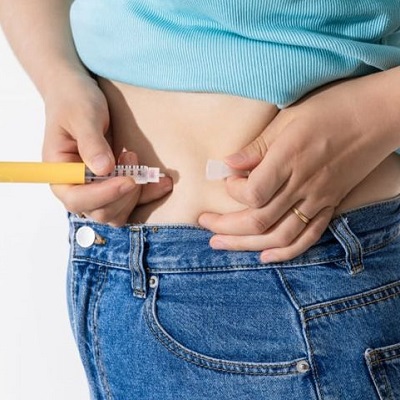
What Are Fat Melting Injections?
“Fat Melting Injections” is a commonly used term for injectable treatments intended to reduce localized fat. The treatment may involve an injectable substance that damages or breaks down fat cells in the area where it is administered.
One FDA-approved injectable fat-dissolving medication, deoxycholic acid, is specifically approved in the United States for reducing moderate to severe fat beneath the chin in adults. The FDA has not approved that medication for fat reduction in other body areas.
The term “fat melting” can therefore be somewhat misleading. The treatment does not cause the body to burn large amounts of fat throughout the body. Instead, an appropriate injectable treatment is intended to act locally on fat cells around the injection sites.
This makes the treatment fundamentally different from weight-loss medications or other therapies specifically designed to produce a meaningful reduction in total body weight.
Can Fat Melting Injections Cause Weight Loss?
Fat Melting Injections may reduce a small amount of fat in a particular area, but they are not considered a weight-loss treatment.
For example, someone may have a small pocket of fat beneath the chin that remains noticeable even when the rest of the body is relatively lean. Treating that area may create a slimmer-looking jawline. The person could look more contoured without seeing a significant change on the bathroom scale.
This distinction is important because body weight and body shape are not the same thing.
A person can lose inches or improve the appearance of a particular body area without losing much overall weight. Similarly, someone can lose weight through diet and exercise while still having stubborn fat in certain areas.
The American Academy of Dermatology explains that non-invasive fat removal is intended for small pockets of unwanted fat rather than general weight reduction. The results are generally more subtle than those achieved through surgical fat removal.
How Do Fat Melting Injections Differ From Weight-Loss Treatments?
The biggest difference is where the treatment works and what outcome it is designed to achieve.
Weight-loss treatments generally aim to reduce overall body weight. Depending on the treatment, they may influence appetite, food intake, metabolism, digestion, or other physiological processes involved in weight management.
Fat-reduction injections work differently. They are intended to affect fat cells in a specific treatment area.
For example, a person might have:
- A healthy or relatively stable overall weight
- A small amount of stubborn fat under the chin
- Fat that has remained despite diet and exercise
- A desire for better definition rather than major weight reduction
That person may be considering localized fat reduction rather than a weight-loss program.
By contrast, someone who wants to lose a substantial amount of body weight would generally need a comprehensive approach involving nutrition, physical activity, behavioral changes, and, when appropriate, medical weight-management options.
The FDA notes that weight-loss and weight-management treatments are distinct from procedures intended only to improve the appearance of a localized fat bulge.
Why Might Someone Look Thinner After Fat Melting Injections?
Even though the number on the scale may not change much, the treated area can sometimes appear slimmer after localized fat reduction.
Suppose someone has fullness beneath the chin. Reducing some of the fat in that specific area may make the jawline appear more defined. The visual difference can be noticeable even if the person's total body weight remains almost unchanged.
This is because body contouring focuses on shape and proportion, rather than total weight.
The same principle applies to other cosmetic fat-reduction procedures. A localized change can improve the outline of an area without producing the kind of whole-body weight reduction associated with traditional weight-loss strategies.
The American Academy of Dermatology notes that fat-removal procedures are generally intended for stubborn pockets of fat that remain despite diet and exercise, rather than for people seeking significant overall weight reduction.
Do Fat Melting Injections Remove Fat Permanently?
When an appropriate fat-dissolving treatment destroys targeted fat cells, those particular cells are generally not expected to return. However, this does not mean that the treated area becomes immune to future weight gain.
The body still contains other fat cells. If a person gains weight, the remaining fat cells can enlarge, potentially changing the appearance of the treated area.
The American Academy of Dermatology explains that targeted fat cells can be permanently removed with non-invasive fat-reduction treatments, but remaining fat cells can still enlarge when a person gains weight.
This is one reason maintaining a relatively stable weight can help preserve the cosmetic improvement.
It is also important to understand that “permanent fat reduction” does not mean permanent protection against weight gain.
What Results Should Someone Realistically Expect?
Expectations should remain realistic because Fat Melting Injections are generally intended for localized contouring rather than dramatic transformation.
Results can vary depending on the treatment used, the amount of localized fat, the treatment area, the individual's anatomy, and how the body responds.
For injectable treatment of excess chin fat, results do not appear immediately. Swelling and bruising can temporarily make the treated area look larger or uneven. The American Academy of Dermatology reports that the full effect of injections used for excess chin fat may take approximately three to four months after the final treatment.
Some people may need more than one treatment session. The number of sessions depends on the particular treatment and the individual's goals.
A gradual change is therefore more realistic than expecting a sudden drop in body weight.
Are Fat Melting Injections a Good Option for Someone Who Wants to Lose Weight?
Usually, someone seeking substantial weight loss should not rely on localized fat-dissolving injections.
A person who wants to reduce overall body weight may benefit more from discussing evidence-based weight-management options with a qualified healthcare professional. The appropriate approach depends on factors such as current weight, medical history, lifestyle, medications, and personal goals.
Fat Melting Injections may have a role when the primary concern is a small, localized pocket of fat, particularly when that pocket remains despite otherwise healthy lifestyle habits.
The distinction can be summarized simply:
Weight-loss treatment: aims to reduce overall body weight.
Fat-reduction treatment: aims to improve the appearance of a specific area.
Fat Melting Injections: generally fall into the second category.
Are All Fat Melting Injections Safe?
Not necessarily. This is an important consideration because the phrase “Fat Melting Injections” can refer to different products in different markets.
The FDA warns consumers about unapproved fat-dissolving injections marketed for areas such as the stomach, thighs, arms, back, and other parts of the body. Reported complications from unapproved products have included serious infections, permanent scarring, skin deformities, cysts, and painful lumps.
For that reason, people should not purchase injectable fat-dissolving products online or attempt to inject them themselves.
Anyone considering this type of treatment should first determine exactly which product is being offered, what area it is approved for, who will administer it, and what risks are associated with it.
Regulatory approval also matters. An injectable that is approved for one specific treatment area is not automatically proven safe or effective for other parts of the body.
The Bottom Line on Fat Melting Injections and Weight Loss
Fat Melting Injections can potentially help reduce localized fat, but they should not be confused with treatments intended to produce meaningful overall weight loss.
Someone may look slimmer or more defined after targeted fat reduction without losing significant pounds. The main goal is usually body contouring—improving the appearance of a particular area rather than changing total body weight.
For someone who wants substantial weight loss, a broader and medically appropriate weight-management plan is usually more suitable. For someone who is already near their desired weight but has a small stubborn fat pocket, localized fat reduction may be worth discussing with a qualified healthcare professional.
The most important step is to understand what the treatment is actually designed to do rather than relying on the phrase “fat melting.”
FAQs About Fat Melting Injections
1. Can Fat Melting Injections help someone lose weight?
Fat Melting Injections are primarily intended to reduce localized fat rather than cause significant overall weight loss. A person may notice improved body contouring without a meaningful change on the scale.
2. Will Fat Melting Injections make the body slimmer?
They may make a specific treated area appear slimmer or more defined. The visible effect depends on the amount and location of fat being treated and the individual's response.
3. Can someone use Fat Melting Injections instead of diet and exercise?
No. Localized fat-reduction treatments are not a substitute for healthy eating, physical activity, or appropriate weight-management care.
4. Are Fat Melting Injections permanent?
Targeted fat cells destroyed by an appropriate treatment may be permanently removed. However, remaining fat cells can enlarge if a person gains weight, so maintaining a stable weight can help preserve the cosmetic result.
5. How quickly do Fat Melting Injections show results?
Results are usually gradual rather than immediate. For injectable treatment used for excess chin fat, the American Academy of Dermatology states that the full effect may take around three to four months after the final treatment.
6. Are all Fat Melting Injections approved for every body area?
No. Approval depends on the specific product and treatment area. In the United States, the FDA states that deoxycholic acid injection is approved for reducing fat beneath the chin in adults and has not been approved for other body areas.
Read More About Fat Melting Injections: https://writer.zohopublic.com/writer/published/spieka3686b6aa7b74e9a81caf7712f7a2381