Achieving a more defined body shape can be challenging, even for people who maintain a balanced diet and regular exercise routine. Certain areas of the body may continue to hold small pockets of stubborn fat that do not respond easily to lifestyle changes. This is one reason non-surgical body contouring treatments have attracted growing interest. Among these options, fat melting injections have become a topic of discussion for people seeking targeted body refinement.
For individuals considering <a href="https://www.enfieldroyalclinics.om/cosmetic-injectables/fat-melting-injections/'>Fat Melting Injections in Muscat, understanding what the treatment involves, what it can realistically achieve, and whether it is suitable for a particular concern is an important first step. These injections are generally intended for localized areas of unwanted fat rather than overall weight reduction. When appropriately selected and administered by a qualified medical professional, they may help improve the appearance of specific body contours.
The concept sounds straightforward, but the treatment deserves careful consideration. Results can vary depending on the product used, treatment area, individual anatomy, and response to treatment. A professional assessment can therefore help determine whether injectable fat reduction is an appropriate option.
What Are Fat Melting Injections?
Fat melting injections, sometimes described as injectable fat reduction or fat-dissolving injections, are designed to target localized fat cells. Depending on the specific formulation, the active ingredient may work by disrupting fat cells so that the body can gradually process and remove their contents.
One commonly discussed injectable ingredient is deoxycholic acid, a substance naturally involved in the body's processing of dietary fat. Certain medically approved formulations containing this ingredient have been developed specifically for reducing fat in selected areas. However, not every injectable marketed as a "fat melting injection" is necessarily the same, and products can differ considerably in their ingredients, regulatory approval, intended treatment areas, and evidence.
This distinction matters. A treatment that is appropriate for one area may not be suitable for another. Some injectable fat-reduction products are primarily associated with areas beneath the chin, while other formulations may be used differently depending on local regulations and medical practice.
The treatment is not intended to replace weight management. Instead, it is generally considered a contouring procedure for people who have relatively stable body weight but have localized fat deposits they would like to reduce.
Can Fat Melting Injections Refine the Body Shape?
For the right candidate, targeted fat reduction may make a particular body area appear more contoured. The goal is usually subtle refinement rather than dramatic transformation.
Localized fat can sometimes affect the visual proportions of areas such as the chin, abdomen, flanks, thighs, or other regions. Whether injections can be used safely in a particular area depends on the specific product and the medical professional's assessment.
A successful outcome may involve a gradual reduction in the fullness of the treated area. Because the body needs time to process the affected fat cells, improvements are not necessarily immediate. Some people may require multiple treatment sessions, with appropriate intervals between them.
It is also important to understand that fat reduction and weight loss are different concepts. A person can lose several kilograms through diet and exercise without achieving the exact contour they want, while injectable body contouring may address a small localized area without substantially changing overall body weight.
For this reason, Fat Melting Injections in Muscat are best viewed as a potential body-contouring option rather than a shortcut to weight loss.
Who May Be a Suitable Candidate?
Candidate suitability depends on several factors. In general, injectable fat reduction may be considered for adults who are close to their desired weight and are concerned about localized fat that has remained relatively resistant to lifestyle efforts.
A consultation is important because not every fullness is caused by excess fat. Loose skin, muscle structure, swelling, cellulite, or other anatomical factors can contribute to the appearance of a particular area. If loose skin is the primary concern, removing or reducing fat may not necessarily create the desired appearance.
A medical professional may consider:
- The person's overall health
- The location and amount of localized fat
- Skin elasticity
- Previous cosmetic treatments
- Medications and relevant medical history
- Pregnancy or breastfeeding status
- Allergies or sensitivities
- The person's expectations and desired outcome
People with certain medical conditions or those taking particular medications may require additional evaluation before treatment. The safest approach is for each person to receive individualized advice rather than assuming that a treatment advertised for one body area will automatically be suitable for another.
What Happens During a Fat Melting Injection Treatment?
The process generally begins with an assessment of the treatment area. The medical professional may examine the amount and distribution of localized fat and discuss the desired degree of improvement.
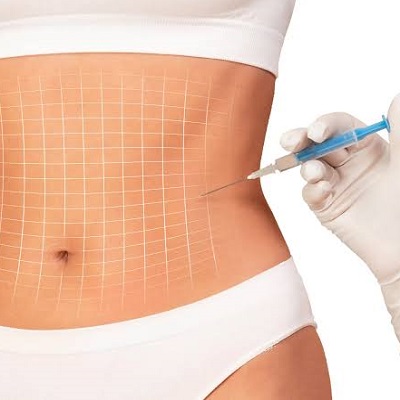
If treatment is considered appropriate, the area may be marked to guide injection placement. The injections are then administered into the targeted tissue according to the specific product's instructions and the professional's treatment plan.
The procedure itself may be relatively quick, but the exact duration depends on the area being treated and the number of injections required.
Some temporary reactions can occur after treatment. These may include swelling, redness, tenderness, bruising, itching, or discomfort around the injection sites. The intensity and duration of these effects vary between individuals.
Aftercare instructions should be followed carefully. The treating professional may provide guidance about activities, skincare, medications, or other considerations during the recovery period.
Because injectable treatments involve needles and active substances, treatment should always be performed by an appropriately qualified medical professional using a product that is legally authorized and appropriate for the intended use.
What Kind of Results Can Be Expected?
Expectations play a major role in determining satisfaction with body-contouring treatments. Fat melting injections are generally not designed to produce instant or dramatic changes.
The body may take time to process the targeted fat cells, meaning visible improvement can develop gradually. Some individuals may see changes after a treatment session, while others may need more than one session to achieve their desired level of refinement.
The final appearance can also depend on skin elasticity. When the skin has good elasticity, a reduction in localized fat may result in a smoother-looking contour. If significant loose skin is present, fat reduction alone may not produce the desired result.
Results may also vary because people respond differently to treatment. Maintaining a stable weight and following healthy lifestyle habits can help support the overall appearance of the treated area.
A consultation should therefore focus on realistic improvement rather than promises of perfection. A reputable medical professional should explain what the treatment can and cannot reasonably accomplish.
Benefits and Considerations of Fat Melting Injections
One potential advantage of injectable fat reduction is that it does not involve surgical incisions. For suitable candidates, this can make it an appealing option compared with surgical fat-removal procedures.
Potential advantages may include targeted treatment, no surgical incision, gradual improvement, and relatively limited disruption to everyday routines. However, "non-surgical" does not mean risk-free.
Possible side effects can include swelling, bruising, pain, redness, numbness, or tenderness. More significant complications are possible, particularly if injections are administered incorrectly or an unsuitable product is used. The risk profile depends heavily on the substance, injection technique, treatment area, and individual circumstances.
Anyone considering Fat Melting Injections in Muscat should therefore prioritize qualified medical care over promotional claims. The source and regulatory status of the injectable product are also important considerations.
People should be cautious about products purchased online, injections performed by unqualified individuals, or treatments that promise guaranteed fat loss. Proper medical assessment and informed consent are essential parts of responsible treatment.
How to Make an Informed Decision
Choosing a cosmetic treatment is ultimately a personal decision, but it should be based on accurate information. Before undergoing injectable fat reduction, a person can ask the medical professional about the exact product being used, whether it is approved for the intended treatment area, how many sessions may be appropriate, what side effects can occur, and what alternatives might be available.
It is equally important to discuss expectations. If someone wants significant overall weight loss, injections designed for localized fat reduction are unlikely to be the appropriate solution. A structured nutrition and exercise plan may be more relevant for overall weight management.
For someone who has already reached a relatively stable weight and wants to address a specific pocket of fat, however, injectable contouring may be worth discussing during a professional consultation.
Ultimately, the most suitable approach depends on individual anatomy, goals, health status, and the treatment options available. A careful assessment can help distinguish between localized fat, loose skin, and other concerns that may require a different approach.
Frequently Asked Questions
1. Are fat melting injections the same as weight-loss injections?
No. Fat melting injections are generally intended to reduce localized fat in specific areas, whereas medications used for weight management are designed to affect overall body weight through different mechanisms. Injectable fat reduction should not be viewed as a substitute for a comprehensive weight-management plan.
2. How long does it take to see results from fat melting injections?
Results generally develop gradually rather than immediately. The body needs time to process the targeted fat cells, and the timeline can vary from person to person. Multiple sessions may sometimes be recommended depending on the treatment area and desired outcome.
3. Can fat melting injections treat all areas of the body?
Not necessarily. Different products have different approved uses and safety considerations. A qualified medical professional should determine whether a particular injectable is appropriate for the intended area.
4. Are fat melting injections painful?
Some people experience discomfort, stinging, tenderness, or a burning sensation during or after injections. Temporary swelling and bruising can also occur. The level of discomfort varies depending on the treatment area and individual sensitivity.
5. Do fat melting injections permanently remove fat?
When an injectable treatment destroys targeted fat cells, those particular cells may be permanently eliminated. However, remaining fat cells can still enlarge if a person gains weight. Maintaining a stable weight and healthy lifestyle can therefore help preserve the contouring effect.
6. Are fat melting injections suitable for everyone?
No. Suitability depends on health, anatomy, treatment goals, medications, and other factors. A medical consultation is necessary to determine whether injectable fat reduction is appropriate and to discuss possible alternatives.
Read More About Fat Melting Injections: https://writer.zohopublic.com/writer/published/35bey22860aadb5eb4deaa3ad09e13940b3d2