Stubborn belly fat can be frustrating, especially when it remains despite regular exercise, healthy eating habits, and consistent lifestyle changes. For many individuals, fat tends to accumulate around the abdomen and become difficult to reduce. This can affect body confidence and make it challenging to achieve a flatter, more defined stomach. When traditional weight-management methods do not provide the desired results, cosmetic procedures such as liposuction may become an option worth exploring.
Liposuction Surgery in Oman is a cosmetic treatment that attracts individuals looking to address persistent fat deposits and improve their abdominal contours. The procedure is designed to remove unwanted fat from specific areas of the body, including the stomach, waist, and flanks. However, understanding what liposuction can and cannot achieve is essential before considering treatment. It is not a weight-loss solution, but it can help reshape areas where stubborn fat remains.
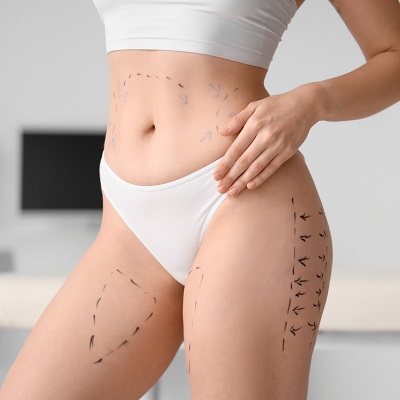
1. What Is Liposuction Surgery and How Does It Work?
Liposuction is a cosmetic surgical procedure that removes excess fat from targeted areas of the body using specialized medical instruments. It is commonly performed on areas where fat deposits are resistant to diet and exercise.
During the procedure, small incisions are made in the treatment area. A thin tube called a cannula is inserted through these openings to loosen and remove unwanted fat using suction. The exact technique depends on the individual's body structure, treatment goals, and medical suitability.
For abdominal fat removal, liposuction generally focuses on the following areas:
- Upper abdomen
- Lower abdomen
- Sides of the waist
- Flanks or love handles
- Areas surrounding the belly button
The primary objective is to improve body proportions by reducing localized fat deposits. Removing excess fat from these areas can create a smoother and more balanced abdominal appearance.
Modern liposuction techniques may include traditional suction-assisted liposuction, ultrasound-assisted methods, or other specialized approaches. Each technique has different considerations, and the appropriate option depends on an individual's needs and professional assessment.
2. Can Liposuction Surgery Remove Stubborn Belly Fat?
Yes, liposuction can remove stubborn belly fat, particularly when the fat is located beneath the skin. This type of fat is known as subcutaneous fat and is often responsible for visible bulges around the abdomen.
Some people naturally store more fat around their stomach due to genetics, hormonal changes, aging, and lifestyle factors. Even when they maintain a relatively healthy body weight, certain abdominal areas may remain resistant to conventional fat-reduction methods.
Liposuction can help address these localized fat deposits by physically removing fat cells from the targeted area.
However, it is important to understand that not all belly fat responds to liposuction.
There are two main types of abdominal fat:
Subcutaneous Fat: This fat is located directly beneath the skin. It can usually be pinched between the fingers and contributes to visible abdominal fullness. Liposuction is designed to target this type of fat.
Visceral Fat: This fat is stored deeper inside the abdominal cavity, surrounding internal organs. It can contribute to a protruding stomach and is associated with certain health risks. Liposuction cannot remove visceral fat because it is located beneath the abdominal muscles.
Therefore, individuals whose abdominal fullness is primarily caused by visceral fat may not achieve their desired results through liposuction alone.
A proper assessment helps determine whether the abdominal fat is suitable for surgical removal.
3. Who Is an Ideal Candidate for Abdominal Liposuction?
Liposuction is generally more suitable for individuals who are close to their healthy body weight but struggle with localized fat deposits.
It is not intended for individuals seeking significant weight reduction. Instead, the procedure focuses on improving body contours and addressing specific areas that remain resistant to lifestyle changes.
Potential candidates may include individuals who:
- Have stubborn fat around the upper or lower abdomen.
- Maintain a relatively stable body weight.
- Follow a healthy diet and exercise regularly.
- Have reasonable skin elasticity.
- Are in generally good health.
- Have realistic expectations about surgical outcomes.
- Want to improve their waistline and abdominal proportions.
Skin elasticity is particularly important when considering abdominal liposuction. When fat is removed, the skin needs sufficient flexibility to adjust to the body's new contours.
Individuals with significant loose skin may not achieve a smooth appearance through liposuction alone. In some cases, a different procedure, such as a tummy tuck, may be more appropriate.
A tummy tuck removes excess skin and may tighten weakened abdominal muscles, whereas liposuction primarily removes localized fat deposits.
People with certain medical conditions, circulation problems, or other health concerns may require additional evaluation before surgery. A qualified medical professional can assess individual suitability and discuss potential risks.
4. What Results Can Be Expected After Liposuction?
Liposuction can produce noticeable improvements in abdominal contours by reducing the amount of localized fat beneath the skin. However, the final appearance develops gradually rather than immediately.
After surgery, swelling, bruising, and temporary discomfort are common. These effects can make the treated area appear swollen during the early recovery period.
As healing progresses, swelling gradually decreases, allowing the abdominal shape to become more visible.
The results may include:
- Reduced fullness around the stomach.
- A more defined waistline.
- Improved abdominal proportions.
- Smoother body contours.
- Better balance between the abdomen and surrounding areas.
The final outcome depends on several factors, including the amount of fat removed, skin elasticity, surgical technique, and individual healing response.
It is also important to understand that liposuction does not guarantee a perfectly flat stomach or create visible abdominal muscles. The procedure removes selected fat deposits, but the underlying muscle structure remains largely unchanged.
Maintaining a stable weight after surgery is essential for preserving the results. Although removed fat cells do not normally grow back, remaining fat cells can enlarge if an individual gains significant weight.
A balanced diet, regular physical activity, and healthy daily habits can help maintain the improved body contours over time.
5. Recovery, Safety, and Possible Side Effects
Recovery is an important part of the liposuction process. Individuals should understand the healing period and follow postoperative instructions carefully to support a smooth recovery.
Immediately after surgery, some swelling, bruising, tenderness, and fluid drainage may occur. These effects are generally expected and gradually improve as the body heals.
A compression garment may be recommended to support the treated area, reduce swelling, and help the skin adapt to the new contours.
The recovery experience varies depending on the treatment area, amount of fat removed, surgical technique, and individual health.
Some common recovery considerations include:
- Rest: Adequate rest is important during the initial recovery period.
- Compression garments: These may help manage swelling and support healing.
- Gentle movement: Light walking may be encouraged to support circulation.
- Physical activity: Strenuous exercise and heavy lifting should be avoided until medically cleared.
- Follow-up appointments: Medical reviews help monitor healing and identify potential complications.
Although liposuction is commonly performed, it is still a surgical procedure and carries certain risks.
Possible complications include infection, bleeding, fluid accumulation, uneven contours, skin irregularities, changes in sensation, and anesthesia-related complications. Rare but serious complications may also occur.
Choosing an appropriately qualified surgical professional and an accredited medical facility is important for reducing avoidable risks.
Individuals should seek medical attention if they experience severe pain, increasing redness, fever, unusual swelling, chest pain, or difficulty breathing after surgery.
6. How to Maintain Liposuction Results Long-Term
Liposuction can remove stubborn fat cells from targeted areas, but maintaining the outcome requires consistent lifestyle habits.
The procedure should be viewed as a body-contouring treatment rather than a replacement for healthy weight management.
After recovery, individuals can support their results through several practical habits.
Maintain a Balanced Diet
A nutritious diet containing vegetables, fruits, lean proteins, whole grains, and healthy fats can support overall health and weight stability. Limiting highly processed foods and excessive calorie intake may also help prevent unwanted weight gain.
Stay Physically Active
Regular physical activity helps maintain a healthy body composition. Walking, cycling, swimming, and strength training can contribute to long-term fitness.
Drink Enough Water
Adequate hydration supports normal bodily functions and helps individuals maintain healthy daily routines.
Maintain a Stable Weight
Significant weight fluctuations can affect the appearance of the treated area. Consistent eating habits and regular activity can help preserve the results.
Follow Medical Advice
Postoperative instructions should be followed carefully. Individuals should attend recommended follow-up appointments and discuss any unexpected changes with their medical professional.
With realistic expectations and appropriate lifestyle habits, individuals can maintain their improved abdominal contours for many years.
Frequently Asked Questions (FAQs)
1. Does liposuction completely remove belly fat?
Liposuction can remove localized subcutaneous fat from the abdomen, but it does not eliminate all belly fat. It cannot remove visceral fat surrounding internal organs. The amount of fat removed depends on individual anatomy, safety considerations, and treatment goals.
2. Can belly fat return after liposuction?
The fat cells removed during liposuction are generally permanently eliminated. However, remaining fat cells can increase in size if an individual gains weight. Maintaining a stable weight and healthy lifestyle is important for preserving the results.
3. Is liposuction suitable for individuals who are overweight?
Liposuction is not designed as a treatment for obesity or significant weight loss. It is generally more suitable for individuals who are near their target weight but have stubborn fat deposits. Suitability depends on an individual medical assessment.
4. How long does it take to see the final results of abdominal liposuction?
Some changes may become noticeable during the first few weeks, but swelling can temporarily affect the appearance of the abdomen. More defined results generally develop over several months as the body heals and swelling decreases. The exact timeline varies between individuals.
5. Does liposuction tighten loose abdominal skin?
Liposuction primarily removes fat rather than excess skin. Individuals with good skin elasticity may experience some natural skin adjustment after treatment. However, significant loose skin may require a different procedure, such as a tummy tuck.
6. Is abdominal liposuction a permanent solution for stubborn fat?
The removal of fat cells from treated areas is generally permanent. However, liposuction does not prevent future weight gain or the accumulation of fat in untreated areas. Long-term results depend on maintaining a healthy lifestyle and stable body weight.
Final Thoughts
Liposuction can be an effective option for individuals who struggle with stubborn abdominal fat despite maintaining healthy lifestyle habits. By removing localized subcutaneous fat, the procedure can improve waistline definition, reduce abdominal fullness, and create more balanced body contours.
However, it is important to recognize that liposuction is not a weight-loss treatment and cannot address every cause of a protruding stomach. Factors such as visceral fat, loose skin, and weakened abdominal muscles may require different approaches.
Individuals considering treatment should understand the procedure, recovery process, possible complications, and realistic outcomes before making a decision. A thorough medical consultation can help determine whether liposuction is an appropriate option based on personal health and aesthetic goals.
Read More About Liposuction Surgery: https://enfieldclinicpman.bloggersdelight.dk/2026/11/12/how-long-do-liposuction-surgery-results-last/