Glutathione has become a widely discussed antioxidant in the world of beauty and wellness. Known for its role in protecting cells from oxidative stress, glutathione is also frequently associated with skin-brightening and complexion-focused treatments. As interest in Glutathione Injections in Oman continues to grow, many people have an important question: can glutathione injections be combined with a regular skincare routine?
In general, injectable glutathione and topical skincare address the skin from different directions. Glutathione injections involve systemic administration, while skincare products are applied directly to the skin. However, combining treatments does not automatically mean that every skincare product is appropriate or that more products will produce better results.
A thoughtful approach focuses on skin health, appropriate product selection, sun protection, and professional guidance. Understanding how glutathione injections fit into a broader skincare routine can help individuals make informed decisions while avoiding unnecessary irritation or unrealistic expectations.
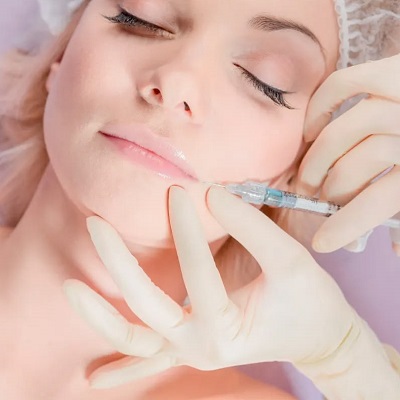
What Are Glutathione Injections?
Glutathione is a naturally occurring antioxidant made from three amino acids: cysteine, glutamic acid, and glycine. It plays several important roles in the body's antioxidant defense system and is involved in processes related to cellular protection.
Glutathione injections deliver the substance into the body rather than applying it to the surface of the skin. They are sometimes promoted in aesthetic settings for complexion brightening, but expectations should be realistic. Evidence regarding injectable glutathione specifically for cosmetic skin lightening remains limited, and treatment practices and regulatory positions can vary between countries.
For people considering Glutathione Injections in Oman, the most appropriate first step is a consultation with a qualified healthcare professional. The consultation can help determine whether the treatment is suitable and whether there are any underlying health considerations that need attention.
It is also important to remember that healthy-looking skin depends on much more than pigmentation. Hydration, sun exposure, inflammation, sleep, nutrition, genetics, and an individual's existing skincare routine can all influence the appearance of the complexion.
Can Glutathione Injections Be Combined With Skincare?
In many cases, a person receiving glutathione injections can continue using a basic skincare routine. There is no general rule that injectable glutathione requires someone to stop using moisturizers, cleansers, or sunscreen.
However, the ideal skincare routine depends on the individual's skin type and the other treatments or products being used.
A simple routine may include:
- A gentle cleanser
- A suitable moisturizer
- Broad-spectrum sunscreen
- Carefully selected active ingredients when appropriate
Basic skincare is particularly important when the goal is a more even and healthy-looking complexion. Sunscreen, for example, helps reduce ultraviolet exposure that can contribute to tanning, pigmentation, premature skin aging, and worsening of certain pigmentation concerns.
The key is not to overload the skin with multiple strong products simply because an injectable treatment is also being used. A complicated routine can sometimes cause irritation, dryness, redness, or sensitivity, making the skin appear less healthy rather than more radiant.
Which Skincare Products Can Complement the Routine?
A supportive skincare routine should generally prioritize skin barrier health.
Gentle Cleansers
A mild cleanser can remove sweat, oil, makeup, and environmental residue without unnecessarily stripping the skin. Harsh cleansing can weaken the skin barrier and may contribute to dryness or irritation.
Moisturizers
Moisturizers help support the skin barrier and maintain hydration. Ingredients such as ceramides, glycerin, hyaluronic acid, and other barrier-supporting ingredients may be useful depending on the person's skin type.
Sunscreen
Sunscreen is one of the most important parts of any complexion-focused skincare routine. Daily broad-spectrum sunscreen can help protect against ultraviolet radiation and reduce the likelihood of pigmentation becoming more noticeable.
For someone interested in Glutathione Injections in Oman, sun protection can be particularly relevant because strong sunlight and regular outdoor exposure can influence pigmentation and overall skin appearance.
Antioxidant Skincare
Some topical antioxidant products, such as vitamin C formulations, are commonly included in skincare routines designed to support a brighter and more even-looking complexion. However, the right formulation and concentration depend on the individual's skin sensitivity and existing routine.
Retinoids and Exfoliating Ingredients
Retinoids, alpha hydroxy acids, beta hydroxy acids, and other exfoliating ingredients can provide benefits for certain skin concerns. They may help with texture, acne, uneven tone, or signs of skin aging.
However, these ingredients can also cause irritation when introduced too quickly or used excessively. They should not be added simply because a person is undergoing glutathione treatment. Instead, they should be selected according to the person's specific skincare goals.
What Should Be Avoided When Combining Treatments?
Combining glutathione injections with skincare does not mean combining every possible cosmetic treatment at the same time.
One of the most common mistakes is using several strong active ingredients simultaneously. For example, introducing a retinoid, multiple exfoliating acids, a strong vitamin C product, and other active treatments all at once can increase the risk of irritation.
Skin irritation can lead to redness, peeling, dryness, burning, and sometimes post-inflammatory hyperpigmentation, particularly in individuals whose skin is prone to pigmentation.
Another concern is the use of unregulated or poorly labeled skin-lightening products. Products containing undeclared or inappropriate ingredients can potentially cause significant skin problems. A healthcare professional or qualified skincare provider can help identify safer options.
People should also be cautious about assuming that glutathione injections are a substitute for treating an underlying pigmentation condition. Dark spots, melasma, post-acne marks, and other pigmentation concerns can have different causes and may require different approaches.
If pigmentation is persistent, changing, itchy, painful, or associated with other skin symptoms, professional assessment is more appropriate than simply adding cosmetic treatments.
How to Build a Balanced Skincare Routine
A balanced routine does not need to contain numerous products. In fact, a simpler routine can often be easier to maintain consistently.
A practical morning routine may include:
- Gentle cleansing, if needed.
- A suitable antioxidant or targeted treatment product.
- Moisturizer according to skin type.
- Broad-spectrum sunscreen.
An evening routine may include:
- Gentle cleansing.
- A selected treatment product, if recommended.
- Moisturizer.
If a person is already using prescription skincare or undergoing procedures such as chemical peels, laser treatments, microneedling, or other aesthetic procedures, the routine may need to be adjusted.
The timing of skincare products around an injection appointment is usually less important than the overall safety of the products being used. However, healthcare professionals may recommend temporary changes depending on the individual's skin condition, treatment plan, or history of sensitivity.
Consistency is also important. Healthy skin usually develops through regular care rather than through aggressive short-term routines.
What Results Can People Realistically Expect?
One of the most important considerations before any cosmetic treatment is understanding what it can and cannot do.
Glutathione is an antioxidant with important biological functions, but claims about dramatic or permanent skin whitening should be approached carefully. Individual responses can vary considerably, and scientific evidence supporting injectable glutathione specifically for cosmetic skin lightening is not strong enough to guarantee a particular result.
A person's baseline pigmentation, genetics, sun exposure, lifestyle, skincare routine, and overall health can all influence the appearance of the skin.
Rather than focusing only on becoming lighter, a healthier goal may be achieving a more even-looking complexion, maintaining the skin barrier, reducing preventable pigmentation triggers, and protecting the skin from environmental damage.
Anyone considering Glutathione Injections in Oman should discuss expected benefits, possible risks, alternatives, and the appropriate treatment plan with a qualified healthcare professional before proceeding.
Safety Considerations Before Glutathione Injections
Although glutathione naturally occurs in the body, an injectable treatment is still a medical intervention and should not be treated like an ordinary skincare product.
The safety of an injection depends on factors such as the formulation, dosage, administration method, product quality, sterility, and the person's individual health status.
Potential concerns can include injection-related reactions, allergic reactions, and other adverse effects. The risks may also vary depending on what other substances are included in a particular injectable preparation.
For this reason, people should avoid self-administering injectable glutathione or purchasing injections from unreliable sources. Treatment should be provided through an appropriate healthcare setting using products obtained through legitimate medical channels.
A professional assessment is especially important for people who have existing medical conditions, take regular medications, are pregnant or breastfeeding, or have a history of allergies or reactions to injectable treatments.
Final Thoughts
Glutathione injections and skincare can potentially be part of the same overall beauty and wellness plan, but they serve different purposes. Injectable glutathione works systemically, while skincare products work primarily at the skin's surface.
A sensible approach is to keep the skincare routine simple, prioritize daily sun protection, maintain good hydration, and introduce active ingredients gradually. Stronger products should be selected based on specific skin concerns rather than added simply to accelerate cosmetic results.
Most importantly, glutathione injections should be viewed as a medical treatment rather than a routine skincare product. Anyone considering them should receive professional advice about suitability, potential risks, realistic expectations, and available alternatives.
With the right guidance, a balanced skincare routine can support the overall appearance and health of the skin while helping individuals make safer and more informed decisions about aesthetic treatments.
1. Can glutathione injections be used with a normal skincare routine?
Yes, a basic skincare routine can generally be continued alongside glutathione injections. Gentle cleansing, moisturizing, and daily sunscreen are commonly appropriate. However, the exact routine should be adjusted according to skin type, sensitivity, and any other treatments being used.
2. Do glutathione injections make the skin permanently lighter?
There is no reliable guarantee that injectable glutathione will permanently lighten the skin. Cosmetic responses can vary, and evidence supporting injectable glutathione specifically for skin lightening remains limited. Professional guidance is important when considering the treatment.
3. Is sunscreen important during glutathione treatment?
Yes. Sunscreen is an important part of almost any complexion-focused skincare routine. Ultraviolet exposure can contribute to tanning, pigmentation, premature skin aging, and worsening of certain pigmentation concerns.
4. Can vitamin C be used with glutathione injections?
A topical vitamin C product may be included in a skincare routine for some individuals. Injectable glutathione and topical vitamin C work differently, so using one does not automatically replace the other. Skin sensitivity and the rest of the skincare routine should be considered.
5. Can retinol be used while receiving glutathione injections?
It may be possible, but retinol can cause dryness, peeling, and irritation, particularly when someone is new to it. It should be introduced gradually and used according to individual skin needs rather than simply because glutathione injections are being received.
6. What should someone consider before getting glutathione injections in Oman?
The individual should consider the purpose of treatment, expected results, possible risks, product quality, medical suitability, and professional supervision. A consultation with a qualified healthcare professional can help determine whether the treatment is appropriate.
Read More About Glutathione Injections: https://writer.zohopublic.com/writer/published/3tccecfd9541af4b247c6826fb01a6a27b5e6