Glutathione injections have gained attention among people interested in skin health, antioxidant support, and certain medical treatments. Often described as an antioxidant therapy, glutathione is a naturally occurring substance produced by the body. It helps protect cells from oxidative stress and plays an important role in several biological processes.
For beginners, however, it is important to understand what glutathione injections are, why they are used, what evidence exists for their benefits, and what potential risks should be considered. The treatment is not suitable for everyone, and its purpose should be discussed with a qualified healthcare professional before starting.
This guide explains the basics of Glutathione Injections in simple language so readers can make informed decisions about whether this treatment is appropriate for them.
What Is Glutathione?
Glutathione is a naturally occurring antioxidant made from three amino acids: cysteine, glutamic acid, and glycine. It is found in cells throughout the body and is involved in protecting cells against oxidative stress.
Oxidative stress occurs when there is an imbalance between free radicals and the body's ability to neutralize them. Glutathione helps the body manage these reactive molecules and is also involved in certain detoxification and metabolic processes.
The body can produce glutathione naturally, and its levels may be influenced by factors such as age, nutrition, illness, and overall health. Glutathione is available in different forms, including oral supplements and injectable preparations.
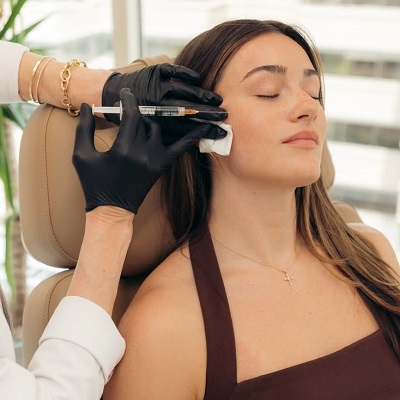
Glutathione injections deliver the substance directly into the body, usually through an intravenous or intramuscular route depending on the treatment approach. Because injections bypass the digestive system, they are sometimes promoted as a way to provide glutathione more directly than oral supplements.
Why Are Glutathione Injections Used?
Glutathione injections are used for different reasons depending on the individual and the healthcare setting. One common area of interest is antioxidant support. Since glutathione participates in the body's antioxidant defense system, some people seek supplementation when they are concerned about oxidative stress.
Another reason glutathione injections have become popular is cosmetic skin care. They are sometimes promoted for improving skin brightness or reducing the appearance of pigmentation. However, claims surrounding skin-lightening effects should be approached carefully because evidence for cosmetic use is limited and treatment practices can vary.
Glutathione may also be used in some medical settings for specific conditions or as part of particular treatment protocols. Its appropriate use depends on the patient's health status, the reason for treatment, and professional medical assessment.
It is important to distinguish between established medical uses and cosmetic claims. A treatment being widely advertised does not automatically mean that every claimed benefit has been scientifically established.
What Can Beginners Expect During Treatment?
The experience of receiving a glutathione injection depends on how it is administered. Before treatment, a healthcare professional may review medical history, current medications, allergies, and the reason for considering glutathione.
For an intravenous treatment, glutathione may be administered through a vein under professional supervision. Intramuscular administration involves an injection into a muscle. The method, dose, and frequency should be determined by a qualified healthcare professional rather than copied from another person's treatment plan.
The injection itself may cause temporary discomfort at the administration site. Some people may experience mild redness, soreness, or swelling. The healthcare professional should also provide information about what symptoms require medical attention.
There is no universally established schedule for cosmetic glutathione injections. Frequency and duration can differ considerably depending on the intended purpose and the healthcare provider's assessment.
Beginners should be particularly cautious about packages promising rapid or guaranteed results. Individual responses can vary, and cosmetic outcomes are not guaranteed.
Potential Benefits and Limitations
Glutathione has an important biological role as an antioxidant, which explains why it has attracted interest in health and wellness. Some research has explored whether glutathione supplementation can influence antioxidant status or particular health outcomes.
For cosmetic purposes, glutathione is often associated with brighter-looking skin and changes in pigmentation. However, the evidence supporting injectable glutathione for skin lightening remains limited, and more high-quality research is needed to establish its effectiveness, optimal dosing, and long-term safety.
This distinction matters because marketing claims can sometimes be broader than the available scientific evidence.
A person considering treatment should therefore focus on realistic expectations. Glutathione injections should not be viewed as a guaranteed way to transform skin tone, reverse aging, remove toxins, or prevent disease.
A healthcare professional can explain whether there is a reasonable medical purpose for treatment and whether alternative options may be more appropriate.
Are Glutathione Injections Safe?
Safety is one of the most important considerations for anyone thinking about glutathione injections. Like other injectable treatments, glutathione administration can involve risks, particularly when products are improperly prepared, stored, sourced, or administered.
Possible side effects may include pain or irritation where the injection is given. Depending on the product and individual circumstances, more significant reactions can occur. Allergic or hypersensitivity reactions are possible with injectable treatments and require prompt medical attention.
There have also been concerns about the safety and quality of some injectable glutathione products used for cosmetic purposes. The risks may increase when treatment is obtained from unqualified providers or when the source and quality of the medication are unclear.
For this reason, treatment should be administered by an appropriately qualified healthcare professional using a legitimate, properly handled product.
Anyone who develops symptoms such as difficulty breathing, severe swelling, fainting, widespread rash, or another serious reaction after an injection should seek urgent medical attention.
People who are pregnant or breastfeeding, have significant medical conditions, have known medication allergies, or take regular medicines should discuss glutathione treatment with a healthcare professional before proceeding.
How to Choose a Safe Treatment Approach
Choosing a safe treatment approach is more important than simply finding a convenient injection service. A qualified healthcare professional should be able to explain why glutathione is being considered, what evidence supports its intended use, and what risks may apply.
Before treatment, a person can ask several practical questions:
- What is the specific purpose of the treatment?
- Is injectable glutathione appropriate for that purpose?
- What product is being used?
- How is the product stored and handled?
- Who will administer the injection?
- What side effects should be expected?
- What alternatives are available?
- What should be done if a reaction occurs?
It is also sensible to be cautious about claims of guaranteed skin whitening, permanent results, rapid detoxification, or treatment of multiple unrelated health conditions.
A professional assessment can help determine whether the potential benefits justify the risks for a particular individual.
Glutathione Injections vs. Other Forms of Glutathione
Glutathione can be found in several forms, including oral supplements and injectable preparations. These forms are not necessarily interchangeable.
Oral products are taken through the digestive system and may be available as tablets, capsules, or other formulations. Injectable glutathione is administered directly into the body and requires appropriate medical handling.
The best option depends on the reason someone is considering glutathione, their health circumstances, and the available evidence. There is not enough evidence to suggest that injectable glutathione is automatically the best choice for everyone.
A healthcare professional can discuss whether supplementation is necessary at all and, if so, which form may be appropriate.
Frequently Asked Questions
1. What are glutathione injections used for?
Glutathione injections are used for different purposes, including antioxidant supplementation and, in some settings, cosmetic skin-related treatments. The evidence varies depending on the intended use, so treatment should be based on a clear and realistic goal.
2. Do glutathione injections lighten the skin?
Glutathione is commonly promoted for skin-lightening or brightening, but scientific evidence for injectable glutathione as a cosmetic skin-lightening treatment remains limited. Results can vary, and there is no guarantee of a particular change in skin tone.
3. Are glutathione injections safe for everyone?
No treatment is automatically safe for everyone. Individual health conditions, allergies, medications, pregnancy or breastfeeding status, product quality, dosage, and administration method can all affect safety. A qualified healthcare professional should assess suitability before treatment.
4. How long do glutathione injections take to work?
There is no universally established timeframe for results, particularly when glutathione is being used for cosmetic purposes. Individual responses can differ, and claims promising immediate or guaranteed results should be treated cautiously.
5. Can glutathione injections cause side effects?
Yes. Injection-site discomfort, redness, or swelling may occur, while more serious reactions are possible. The risk can also depend on the quality of the product and how it is administered. Any severe or unusual reaction should receive prompt medical attention.
6. Should someone take glutathione injections without medical advice?
Glutathione injections should not be self-administered or obtained from an unqualified source. Because injections carry risks and require appropriate product handling, professional medical guidance is recommended before treatment.
Glutathione injections may be appropriate in certain circumstances, but they should not be viewed as a universal health or cosmetic solution. Understanding the purpose of treatment, the available evidence, potential risks, and safer alternatives can help beginners approach the subject realistically. A qualified healthcare professional can provide individualized advice based on a person's health history and treatment goals.
Read More About Glutathione Injections: https://writer.zohopublic.com/writer/published/2kk7m6900ab5edfe64b26a687106e521a9124