Excessive facial oil is a common skin concern that can leave the face looking shiny, greasy, or congested within a few hours of cleansing. While some oil is essential for maintaining a healthy skin barrier, overactive sebaceous glands can produce more sebum than the skin needs. This may contribute to enlarged-looking pores, blackheads, whiteheads, acne breakouts, and uneven skin texture.
For people who have tried numerous cleansers, masks, and home remedies without lasting improvement, professional dermatological care can provide a more targeted approach. The Best Dermatologists in Muscat can assess the underlying reasons for excessive oil production and recommend treatment based on skin type, symptoms, age, lifestyle, and the presence of conditions such as acne or seborrheic dermatitis.
Muscat's warm climate can also make facial oil more noticeable. Heat, humidity, perspiration, and frequent exposure to environmental factors may make oily skin feel more difficult to manage. A dermatologist can distinguish normal oily skin from an underlying dermatological condition and create a practical treatment plan that controls oil without excessively drying or irritating the skin.
What Causes Excessive Facial Oil?
Facial oil, medically known as sebum, is produced by sebaceous glands located throughout the skin. Sebum helps protect the skin from moisture loss and supports the skin barrier. Problems can occur when these glands become particularly active.
Several factors can influence sebum production. Genetics play an important role, meaning people with naturally oily skin may have more active sebaceous glands. Hormonal fluctuations can also increase oil production, particularly during adolescence, menstrual changes, pregnancy, or other periods of hormonal variation.
Stress may contribute to changes in skin behaviour as well. Certain skincare and cosmetic products can also make oily skin appear worse, particularly when they are heavy, comedogenic, or not suited to the individual's skin type.
Another common mistake is over-cleansing. When people notice excessive oil, they may wash their face repeatedly or use harsh scrubs and strong cleansers. Although this can temporarily remove surface oil, excessive irritation may damage the skin barrier and make the skin feel uncomfortable, tight, or more reactive.
A dermatologist begins by identifying these contributing factors rather than simply trying to remove every trace of oil from the face.
How Dermatologists Diagnose Oily Skin
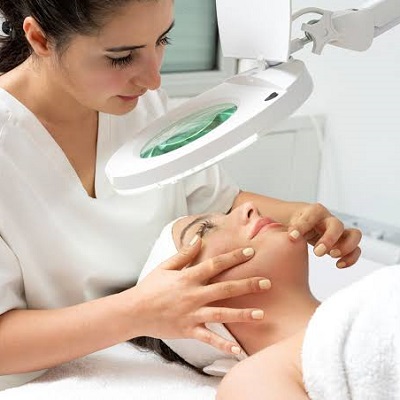
Professional treatment usually starts with a detailed skin assessment. A dermatologist examines the amount and distribution of oil, the appearance of pores, the presence of acne, redness, scaling, irritation, and other visible changes.
Medical history can also be important. The dermatologist may ask about skincare products, medications, hormonal changes, allergies, previous acne treatments, diet and lifestyle habits. This information helps determine whether the concern is simply naturally oily skin or whether another condition may be contributing.
For example, excessive oil accompanied by redness, itching, or greasy scaling around the nose, eyebrows, hairline, or other areas may indicate seborrheic dermatitis rather than ordinary oily skin. Seborrheic dermatitis commonly affects oil-rich areas and can produce greasy or flaky skin.
Acne is another important consideration. Excess sebum can combine with dead skin cells and contribute to clogged pores, creating an environment where acne develops. Professional acne management may therefore involve controlling both oil production and inflammation.
Prescription and Medical Treatments for Excess Oil
When everyday skincare is not enough, dermatologists may recommend medical treatments designed to regulate sebum production and prevent clogged pores.
One commonly used category is topical retinoids. These vitamin A derivatives can help improve cell turnover, reduce clogged pores, and support long-term acne management. They are often introduced gradually because they may initially cause dryness or irritation.
Salicylic acid may also be recommended for appropriate patients. It can help exfoliate inside pores and remove accumulated oil and dead skin cells. Depending on the individual's condition, a dermatologist may recommend a particular concentration or frequency of use rather than encouraging excessive application.
For patients with persistent or severe acne associated with significant oil production, oral medications may sometimes be considered. Isotretinoin is one example of a powerful prescription treatment that can substantially reduce sebaceous gland activity. Because it can cause significant side effects and requires medical monitoring, it should only be used under appropriate specialist supervision.
The choice of treatment depends on the severity of the problem. Someone with mildly oily skin may need only a carefully designed skincare routine, while a person with persistent acne, inflammation, or significant oil production may require prescription therapy.
In-Clinic Treatments That May Help
Some dermatology practices offer professional procedures as part of a broader treatment plan for oily or acne-prone skin. These treatments are generally selected according to the patient's skin condition rather than used simply because the skin feels oily.
Chemical peels, for example, may be considered for certain patients with acne, clogged pores, uneven texture, or pigmentation left behind after breakouts. The type and strength of peel should be selected by a qualified professional because inappropriate peeling can cause irritation or pigmentation problems.
Some clinics may also provide procedures designed to cleanse congested skin and improve its appearance. However, cosmetic procedures should complement—not replace—appropriate medical treatment when a person has an underlying skin condition.
Laser and light-based treatments may sometimes be considered for acne or related concerns. Their suitability depends on factors such as skin type, active inflammation, scarring, and the treatment objective.
The most effective approach is usually individualized. A procedure that works well for one person may be unnecessary or unsuitable for another. This is one reason consultation with the Best Dermatologists in Muscat can be valuable for people whose oily skin is persistent or associated with other symptoms.
Building a Dermatologist-Approved Skincare Routine
Professional treatment works best when supported by consistent daily skincare. A simple routine is often more useful than using numerous products simultaneously.
A gentle cleanser can be used to remove excess oil, sweat, sunscreen, and environmental debris without aggressively stripping the skin. Many people with oily skin benefit from cleansing twice a day, particularly in warm or humid conditions.
A lightweight, non-comedogenic moisturizer is also important. Oily skin still needs hydration, and avoiding moisturizer completely can leave the skin feeling uncomfortable or dehydrated. Products labelled non-comedogenic are generally designed to be less likely to contribute to clogged pores.
Daily sunscreen is another essential step. A lightweight, non-comedogenic sunscreen can help protect the skin from ultraviolet exposure while being more comfortable for people who dislike heavy or greasy formulas.
It is also helpful to avoid repeatedly touching or squeezing clogged pores. Picking at acne can increase inflammation and raise the risk of post-inflammatory marks and scarring.
A dermatologist may recommend additional ingredients depending on the individual's skin. These could include salicylic acid, topical retinoids, benzoyl peroxide, or other prescription or non-prescription ingredients. The goal is not to use the maximum number of active ingredients, but to use the right ingredients at an appropriate frequency.
When Should Someone See a Dermatologist for Oily Skin?
Occasional facial shine is generally not a medical problem. However, professional advice may be worthwhile when oiliness becomes persistent, difficult to control, or associated with other skin changes.
A dermatologist should be considered when excessive oil is accompanied by frequent blackheads or whiteheads, persistent acne, painful or deep breakouts, significant redness, itching, greasy scaling, or noticeable changes in skin texture.
People who have already tried several skincare products without improvement may also benefit from professional assessment. Repeatedly changing products can make it difficult to determine what is actually helping and may increase irritation.
Another reason to seek medical advice is when oily skin is affecting confidence or daily life. Skin conditions can have an emotional impact, and appropriate treatment can address both the physical symptoms and the concerns surrounding them.
The Best Dermatologists in Muscat can evaluate the skin in the context of the patient's overall health and develop a treatment strategy that focuses on long-term control rather than a quick temporary reduction in shine.
Frequently Asked Questions
1. Is excessive facial oil a sign of unhealthy skin?
Not necessarily. Sebum is a normal and important part of healthy skin. The problem occurs when the sebaceous glands produce more oil than the skin requires or when excess oil contributes to clogged pores, acne, or other skin conditions.
2. Can washing the face more often stop excessive oil production?
Frequent or aggressive washing does not necessarily reduce the underlying production of sebum. Over-cleansing can irritate the skin and cause dryness or discomfort. A gentle cleanser used at an appropriate frequency is generally a better approach.
3. Does oily skin always cause acne?
No. Oily skin can increase the likelihood of clogged pores, but acne has multiple contributing factors, including inflammation, hormones, genetics, follicular blockage, and microbial factors. A person can have oily skin without developing significant acne.
4. Can a dermatologist permanently stop facial oil production?
The goal of treatment is usually to control excessive sebum rather than eliminate oil completely. Sebum has an important role in maintaining the skin barrier. Depending on the cause and severity, dermatological treatments can reduce excessive oil production and improve associated acne or congestion.
5. Are chemical peels suitable for everyone with oily skin?
No. Chemical peels vary in their ingredients and strength, and not every peel is appropriate for every skin type or condition. A dermatologist can determine whether a peel is suitable and select an appropriate treatment based on the patient's skin and concerns.
6. How long does it take to see improvement in oily or acne-prone skin?
The timeline varies depending on the treatment and severity of the condition. Some people notice changes within several weeks, while acne and persistent oiliness may require a longer period of consistent treatment. Dermatological acne guidance commonly emphasizes patience and consistency because meaningful improvement may take several weeks.
Excessive facial oil is manageable when the underlying cause is properly identified and treated. Rather than relying on harsh cleansers or constantly switching skincare products, a professional assessment can help determine whether the issue is simple oily skin, acne, hormonal influence, seborrheic dermatitis, or another dermatological concern. With an appropriate combination of medical treatment, gentle skincare, sun protection, and healthy daily habits, many people can achieve better oil control while maintaining a comfortable and healthy skin barrier.
Read More About Dermatologists in Muscat:https://writer.zohopublic.com/writer/published/um8zw4318b1a01f4f4ec4a5add0193c6056eb