For people considering a professional facial treatment, one of the first questions is often about time. Busy schedules can make it difficult to commit to treatments that require long appointments or significant downtime. This is one reason HydraFacial has become a popular option for people who want a refreshed and healthier-looking complexion without spending hours at a clinic.
A typical HydraFacial treatment can take around 30 to 60 minutes, depending on the skin’s condition, the treatment plan, and the steps included in the session. Some basic sessions may be completed in less time, while more customized treatments can take longer. The procedure is generally designed to be comfortable, efficient, and suitable for people who want to return to their regular activities soon afterward.
For those researching HydraFacial Treatment in Muscat, understanding the treatment duration can make it easier to plan an appointment and know what to expect. The procedure usually combines cleansing, exfoliation, extraction, hydration, and the application of nourishing ingredients in a single treatment.
What Is a HydraFacial Treatment?
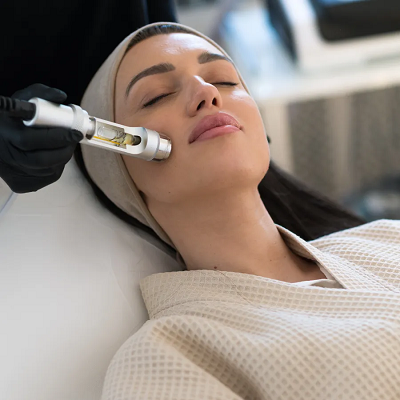
A HydraFacial is a non-invasive facial treatment designed to cleanse and refresh the skin while supporting hydration and overall skin appearance. Unlike traditional facials that may involve manual extraction or more intensive exfoliation, the HydraFacial process typically uses a specialized device to perform several skincare steps in sequence.
The treatment commonly begins with cleansing and exfoliation to remove surface impurities and dead skin cells. It may then include gentle extraction to help clear clogged pores, followed by the application of hydrating and nourishing solutions.
The process can be adjusted according to individual skin concerns. For example, someone dealing with dullness may benefit from a treatment focused on improving radiance, while another person with congested pores may require greater attention to cleansing and extraction.
Because the procedure can be customized, treatment time is not exactly the same for everyone. A consultation or skin assessment can help determine which steps are appropriate and how long the session is likely to take.
How Long Does a HydraFacial Treatment Take?
In most cases, a standard HydraFacial session takes approximately 30 to 60 minutes. The exact duration depends on the treatment plan and the number of steps required.
A basic treatment may be completed relatively quickly because it focuses on the essential stages of cleansing, exfoliation, extraction, and hydration. A more comprehensive session may include additional boosters or targeted skincare ingredients, which can extend the appointment.
The condition of the skin can also influence the duration. Skin with significant congestion, dryness, or uneven texture may require a more carefully tailored approach.
For someone scheduling HydraFacial Treatment in Muscat, it is generally useful to allow some extra time around the appointment. Although the treatment itself may take less than an hour, consultation, preparation, and post-treatment guidance can add a few minutes to the overall visit.
The relatively short treatment time is one of the reasons HydraFacial is often considered convenient for people with busy lifestyles.
What Happens During a HydraFacial Session?
Understanding the individual stages can give patients a better idea of why the treatment may take 30 to 60 minutes.
1. Cleansing and Skin Preparation
The treatment usually begins with cleansing the skin. This step removes surface oil, makeup residue, dirt, and other impurities. Preparing the skin allows the following stages to work more effectively.
A clean skin surface also makes it easier to assess areas that may require additional attention.
2. Gentle Exfoliation
The next stage generally focuses on exfoliation. Dead skin cells can accumulate on the surface and contribute to a rough or dull appearance. HydraFacial technology is designed to help remove these surface cells without relying on harsh physical scrubbing.
Exfoliation can leave the skin feeling smoother and looking more refreshed.
3. Extraction
Extraction is another important part of the treatment. A specialized device can help loosen and remove impurities from pores using gentle suction.
This stage is particularly relevant for people who experience clogged pores, blackheads, or excess oil. However, the treatment should be adjusted according to the individual’s skin sensitivity and condition.
4. Hydration and Nourishment
After cleansing and extraction, the skin can receive hydrating solutions and selected skincare ingredients. The purpose is to support moisture levels and leave the skin looking plumper and more refreshed.
Depending on the treatment plan, additional serums or boosters may be used to address specific cosmetic concerns.
5. Finishing Care
The session may conclude with suitable skincare products designed to protect and comfort the skin. Recommendations for home care and sun protection may also be provided.
Because the treatment combines several stages, the total appointment time can vary from one person to another.
What Factors Can Affect HydraFacial Treatment Time?
Although a typical HydraFacial takes around 30 to 60 minutes, several factors can influence how long an appointment lasts.
Skin condition: Skin that is particularly congested, dry, or uneven may require additional attention.
Treatment goals: Someone seeking basic cleansing and hydration may have a shorter session than someone requesting a more customized treatment.
Additional boosters: Specialized serums or targeted boosters can add time to the appointment.
Skin sensitivity: Sensitive skin may require adjustments to the intensity or pace of certain treatment steps.
Consultation: A first-time patient may spend additional time discussing their skin concerns, previous skincare experiences, and suitable treatment options.
Treatment area: A facial treatment covering a broader area may take longer than a more focused session.
These factors mean that the advertised treatment duration should be viewed as an approximate timeframe rather than a fixed appointment length.
Is There Any Downtime After a HydraFacial?
One of the main attractions of HydraFacial is that it is generally associated with little to no significant downtime. Many people can return to their normal daily activities after the session.
The skin may appear slightly pink or feel mildly sensitive immediately afterward, particularly in people with sensitive skin. Such temporary effects usually settle relatively quickly, but individual experiences can differ.
After HydraFacial Treatment in Muscat, patients may be advised to avoid unnecessarily irritating skincare products for a short period and to protect the skin from excessive sun exposure. Gentle skincare and appropriate sun protection can help maintain the fresh appearance achieved after treatment.
It is important to follow the specific aftercare recommendations provided during the appointment because skincare needs can vary.
When Can Results Be Seen?
Many people notice that their skin looks cleaner, smoother, and more hydrated immediately after a HydraFacial. The complexion may appear more refreshed and radiant because surface impurities and dead skin cells have been removed while hydration has been added.
However, results vary depending on the person’s skin type, lifestyle, skincare routine, and treatment goals. HydraFacial is not generally considered a permanent solution for every skin concern. Instead, it can form part of a broader skincare routine.
Regular professional treatments may be recommended for individuals who want to maintain a consistently refreshed appearance. The ideal frequency depends on the skin and should be determined with appropriate professional guidance.
Who May Consider HydraFacial Treatment?
HydraFacial may appeal to adults who want to improve the appearance of dull, dehydrated, rough, or congested skin without undergoing an invasive procedure.
It can be particularly attractive to people who want a treatment that fits into a busy schedule. Since the session is relatively short and typically involves minimal downtime, it may be easier to incorporate into regular skincare planning.
However, not every treatment is suitable for every individual. People with active skin conditions, infections, significant irritation, or other dermatological concerns should discuss their situation with a qualified skincare or medical professional before undergoing treatment.
Pregnancy, certain medications, recent cosmetic procedures, and specific skin sensitivities may also affect whether a HydraFacial is appropriate. A professional assessment is therefore important before beginning treatment.
How to Prepare for HydraFacial Treatment in Muscat
Preparation is usually straightforward, but a few simple steps can help make the appointment more comfortable.
The skin should generally be kept clean before the session, and patients may be advised to avoid aggressive exfoliation or irritating products shortly before treatment. Certain cosmetic procedures may also need to be avoided for a specific period beforehand.
Anyone using prescription skincare products or undergoing treatment for a skin condition should disclose this information during the consultation. This allows the professional to determine whether any modifications are necessary.
For those considering HydraFacial Treatment in Muscat, it is also helpful to discuss skincare goals in advance. Whether the main concern is dryness, dullness, congestion, or overall skin maintenance, a personalized approach can make the treatment more relevant to the individual’s needs.
Frequently Asked Questions About HydraFacial Treatment
1. How long does a typical HydraFacial treatment take?
A typical HydraFacial session takes approximately 30 to 60 minutes. The exact duration depends on the person’s skin condition, treatment goals, and whether additional steps or boosters are included.
2. Is HydraFacial suitable for all skin types?
HydraFacial can be adapted for many different skin types, but suitability depends on the individual’s skin condition. People with active irritation, infections, or certain dermatological problems should seek professional advice before treatment.
3. Is HydraFacial painful?
HydraFacial is generally described as a comfortable treatment. The device performs cleansing, exfoliation, extraction, and hydration using controlled techniques. Some people may experience mild sensitivity during or after the procedure, but experiences can vary.
4. Can someone return to work after a HydraFacial?
Many people return to their normal activities after treatment because HydraFacial generally involves minimal downtime. Mild temporary redness or sensitivity can occur, so anyone with particularly sensitive skin may prefer to schedule the appointment when they have some flexibility afterward.
5. How often can HydraFacial treatments be performed?
Treatment frequency depends on the individual’s skin condition and goals. Some people may benefit from periodic treatments as part of a skincare routine, while others may need them less frequently. A qualified professional can recommend an appropriate schedule.
6. What should be avoided after HydraFacial treatment?
Immediately after treatment, it is generally sensible to avoid unnecessarily harsh skincare products, aggressive exfoliation, and excessive sun exposure. Gentle skincare and appropriate sun protection can help support the skin after the procedure. Specific aftercare instructions should always take priority.
Final Thoughts
A HydraFacial session typically takes 30 to 60 minutes, making it a convenient option for people who want professional skincare without a lengthy appointment. The treatment combines several steps, including cleansing, exfoliation, extraction, and hydration, and can often be adjusted according to individual skin needs.
For people researching HydraFacial Treatment in Muscat, the treatment duration is only one part of the decision. Understanding the procedure, expected results, suitability, preparation, and aftercare is equally important.
A professional skin assessment can help determine whether HydraFacial is appropriate and which treatment approach may best match an individual’s goals. With realistic expectations and suitable aftercare, HydraFacial can be incorporated into a broader skincare routine focused on maintaining clean, hydrated, and refreshed-looking skin.
Read More About HydraFacial Treatment: https://pdplex.blog/is-hydrafacial-treatment-good-for-acne-prone-skin/