Morpheus8 is a popular minimally invasive skin rejuvenation treatment that combines microneedling with radiofrequency energy to stimulate collagen production and improve the appearance of skin texture, fine lines, and mild skin laxity. Although the procedure is designed to encourage natural skin renewal, the skin needs appropriate care afterward to recover comfortably and achieve the best possible outcome.
For individuals considering Morpheus8 Treatment in Muscat, understanding the recovery process is particularly important. Sun exposure, hot weather, and the use of unsuitable skincare products can irritate recently treated skin. A simple, carefully planned aftercare routine can help support healing, reduce unnecessary irritation, and protect the skin while collagen remodeling takes place.
After treatment, the skin may appear red, feel warm, or develop mild swelling and tiny pinpoint marks. These effects are generally temporary, but the recovery period differs depending on the treatment intensity, the area treated, and individual skin sensitivity.
Knowing which products to use, what activities to avoid, and when to resume a normal skincare routine can make recovery more manageable. The following guide explains how to care for the skin after Morpheus8 and which warning signs should not be ignored.
1. What Happens to the Skin After Morpheus8 Treatment?
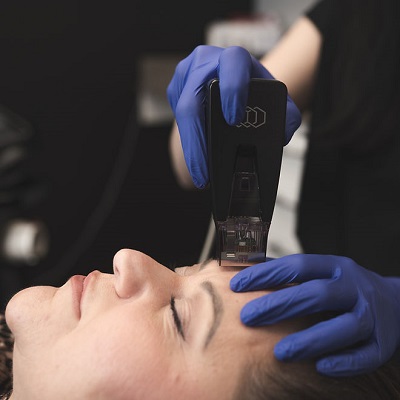
Morpheus8 uses fine needles to deliver radiofrequency energy into targeted layers of the skin. This creates a controlled treatment response that stimulates the body's natural repair processes and encourages collagen remodeling.
Because the procedure affects the skin's surface and deeper tissues, some temporary changes are expected after treatment.
Common short-term effects include:
- Redness and warmth around the treated area.
- Mild swelling or tenderness.
- Small pinpoint marks where the needles entered the skin.
- Temporary dryness or rough skin texture.
- Mild bruising or sensitivity in some individuals.
These effects often improve over several days, although recovery may take longer after more intensive treatment. The skin may also feel slightly tight or sensitive as it begins to heal.
It is important to remember that the skin can remain vulnerable even when visible redness has started to fade. The treatment initiates a gradual healing process, and collagen remodeling continues over the following weeks and months.
During this period, gentle skincare is more appropriate than aggressive exfoliation or experimenting with new products. The goal is to support the skin barrier rather than force faster results.
Individuals receiving Morpheus8 Treatment in Muscat should follow the specific aftercare instructions provided for their treatment settings. Different treatment depths and intensities may require different recovery precautions.
2. Follow a Gentle Skincare Routine During the First 24 to 72 Hours
The first few days after Morpheus8 are especially important because the skin may be inflamed and more sensitive than usual. A simple routine can help prevent additional irritation while the treated areas recover.
Cleanse the skin carefully
The treating professional may recommend waiting for a specified period before washing the treated area. Once cleansing is permitted, a gentle, fragrance-free cleanser and lukewarm water are generally preferable to harsh soaps or hot water.
The skin should be cleaned using clean hands and patted dry with a soft, clean towel. Scrubbing, rubbing, or using cleansing brushes can increase irritation.
Use only suitable moisturizers
A gentle moisturizer may help reduce dryness and support the skin barrier once its use is permitted. Products containing soothing, non-irritating ingredients can be helpful, but the appropriate choice depends on the condition of the skin and the provider's recommendations.
Heavy, occlusive products should not automatically be applied to freshly treated skin without guidance, particularly if there are open areas or pinpoint wounds.
Avoid unnecessary touching
Hands can transfer bacteria and other contaminants to recently treated skin. Touching the face frequently, picking at small marks, or scratching itchy areas can interfere with healing and increase the risk of infection or scarring.
Fresh pillowcases, clean towels, and hygienic skincare tools can also help reduce unnecessary contamination.
Pause irritating skincare ingredients
Retinoids, exfoliating acids, strong vitamin C formulations, benzoyl peroxide, and physical scrubs may cause additional irritation during early recovery. These products should generally be avoided until the skin has healed sufficiently and the treating professional confirms that they can be reintroduced.
There is no single restart schedule suitable for everyone. The timing depends on treatment intensity, the condition of the skin, and the product involved.
3. Protect the Skin From Sun Exposure and Heat
Sun protection is an essential part of recovery after Morpheus8. Recently treated skin can be more susceptible to irritation, and inflammation may contribute to unwanted pigmentation, particularly in individuals prone to dark marks after skin injury.
This consideration is especially relevant for people undergoing Morpheus8 Treatment in Muscat, where strong sunlight and high temperatures can make outdoor exposure more challenging.
Limit direct sunlight
During the initial healing period, direct sun exposure should be minimized. Staying in the shade, wearing a wide-brimmed hat, and avoiding prolonged outdoor activities during peak sunlight hours can help protect the skin.
Once sunscreen can safely be applied, a broad-spectrum sunscreen with SPF 30 or higher is generally recommended. A higher SPF may be appropriate depending on the circumstances, but no sunscreen provides complete protection.
The treating professional should advise when sunscreen can be applied, especially if the skin remains raw, has visible pinpoint openings, or is particularly sensitive.
Avoid excessive heat
Saunas, steam rooms, hot baths, and very hot showers may worsen redness and discomfort during early recovery. Strenuous exercise that causes heavy sweating may also irritate the treated skin.
These activities should be avoided for the period recommended by the treating professional, often at least the first 24 to 48 hours, with longer restrictions when necessary.
Take extra care outdoors
Heat and humidity can encourage sweating, while dust and environmental pollutants may irritate sensitive skin. Outdoor exercise, beach visits, and prolonged exposure to direct sunlight may be best postponed until the skin has recovered adequately.
Consistent sun protection remains important after the initial healing period because UV exposure contributes to premature skin aging and can affect the appearance of long-term treatment results.
4. Know Which Products and Activities to Avoid During Recovery
One of the most common aftercare mistakes is returning to a normal skincare routine too quickly. Even if the skin appears relatively normal after a few days, its protective barrier may still be recovering.
A gradual return to regular products is generally safer than immediately restarting every step of an established routine.
Avoid exfoliation
Scrubs, cleansing brushes, exfoliating pads, and chemical peels can irritate the skin while it heals. These products should be postponed until the skin has recovered and professional guidance confirms that exfoliation can resume.
Delay makeup when necessary
Foundation, concealer, and other cosmetic products may introduce irritants or contaminants to recently treated skin. Makeup should not be applied over areas that remain raw or have open pinpoint marks.
The appropriate waiting period varies with treatment intensity and healing progress. The treating professional should provide specific guidance rather than relying on a universal time frame.
Be cautious with active ingredients
Retinoids and exfoliating acids can be useful components of some skincare routines, but they may be too irritating immediately after microneedling radiofrequency treatment.
The same caution applies to fragranced products, alcohol-heavy toners, and unfamiliar serums. Once the skin has healed, these products can be reintroduced gradually if appropriate.
Avoid picking at peeling skin
Tiny scabs, rough patches, and mild peeling may occur during recovery. Pulling at these areas can prolong healing, increase irritation, and potentially contribute to scarring or pigmentation changes.
Follow instructions about exercise and swimming
Swimming pools, hot tubs, and natural bodies of water may expose recently treated skin to contaminants. Exercise can also increase sweating and heat. These activities should be postponed until the skin has healed sufficiently and the treating professional has confirmed that they are safe to resume.
Following these precautions helps reduce avoidable irritation and allows the skin's natural recovery process to progress without unnecessary disruption.
5. Support Healing and Understand the Recovery Timeline
Good aftercare involves more than choosing the right skincare products. Everyday habits can also influence comfort during recovery and help protect the skin over time.
Stay hydrated
Drinking sufficient water supports normal body functions, although extra water alone cannot accelerate collagen production or guarantee better cosmetic results. Regular hydration is still a sensible part of general skin care.
Maintain balanced nutrition
A varied diet containing adequate protein, fruits, vegetables, and other nutrient-rich foods helps provide the nutrients required for normal tissue repair. No particular food or supplement can guarantee a specific Morpheus8 outcome.
Avoid smoking
Smoking can impair normal wound healing and may negatively affect skin health. Avoiding smoking during recovery and beyond can support overall skin quality.
Allow enough time for results
Morpheus8 results develop gradually rather than appearing immediately. A general recovery timeline may look like this:
- First 24 to 72 hours: Redness, warmth, swelling, and tenderness may be most noticeable.
- Days three to seven: Many people experience gradual improvement in redness and sensitivity, although small marks or dryness may persist.
- One to two weeks: The skin may feel more settled, depending on treatment intensity and individual healing.
- Four to six weeks: Early improvements in texture or firmness may become more noticeable in some individuals.
- Two to three months and beyond: Collagen remodeling may produce further gradual changes in skin firmness and appearance.
These time frames are approximate. Some individuals recover more quickly, while others need additional time, especially after more intensive treatments.
It is also important to recognize that aftercare cannot eliminate every possible complication or guarantee a particular result. Morpheus8 may improve selected skin concerns, but the outcome depends on the individual's baseline skin condition, treatment settings, and response to the procedure.
6. When Should Someone Seek Professional Advice After Morpheus8?
Mild redness, swelling, and tenderness are common after treatment. However, certain symptoms may indicate a complication that requires medical assessment.
Professional advice should be sought promptly if the treated skin develops:
- Increasing rather than improving pain.
- Spreading redness or worsening warmth.
- Significant or persistent swelling.
- Pus, unusual discharge, or a foul smell.
- Fever or feeling generally unwell.
- Blisters, burns, or areas of unexpected skin breakdown.
- Persistent or worsening pigmentation changes.
- New lumps, indentations, or changes in facial contour.
Severe symptoms, rapidly spreading redness, or signs of a serious infection require urgent medical attention.
People with a history of cold sores should also inform the treating professional before facial treatment because procedures affecting the skin can sometimes trigger an outbreak in susceptible individuals.
It is important not to self-treat unexpected symptoms with leftover antibiotics, strong steroid creams, or aggressive skincare products. These may be inappropriate and could delay proper assessment.
For individuals seeking Morpheus8 Treatment in Muscat, a clear aftercare plan should explain whom to contact if a concern develops and when a follow-up assessment is recommended.
Frequently Asked Questions About Morpheus8 Aftercare
1. How long does the skin take to heal after Morpheus8?
Many people notice that redness and swelling improve within a few days, but complete recovery varies. Mild dryness, pinpoint marks, or sensitivity may persist longer, particularly after intensive treatment. The treating professional can provide a more individualized estimate.
2. When can someone wash their face after Morpheus8?
The appropriate time depends on the treatment settings and the condition of the skin. The treating professional may recommend waiting before cleansing, followed by gentle washing with lukewarm water and a mild cleanser. Harsh scrubbing should be avoided.
3. When can sunscreen be applied after Morpheus8?
Sunscreen should be introduced when the skin is sufficiently intact and the treating professional confirms it is appropriate. A broad-spectrum SPF 30 or higher is generally recommended once application is safe. Until then, shade, hats, and avoiding direct sunlight are important protective measures.
4. Can makeup be worn after Morpheus8 treatment?
Makeup should be avoided while the skin is raw, irritated, or has open pinpoint marks. It can generally be resumed once the skin has healed sufficiently and the treating professional confirms that it is safe. The waiting period varies by individual and treatment intensity.
5. When can retinol be used again after Morpheus8?
Retinol and other potentially irritating active ingredients should be paused until the skin has recovered. Restarting too early can cause redness, dryness, and irritation. The appropriate timing depends on healing progress and should be confirmed by the treating professional.
6. What should someone do if the skin develops dark spots after Morpheus8?
New pigmentation changes should be discussed with the treating professional, particularly if they persist or worsen. Sun protection and avoiding additional irritation are important, but strong brightening products should not be started on recently treated skin without guidance.
Final Thoughts
Caring for the skin after Morpheus8 is an important part of the overall treatment process. Gentle cleansing, appropriate moisturization, careful sun protection, and avoiding irritating products can help support recovery while the skin's natural repair mechanisms do their work.
For people considering Morpheus8 Treatment in Muscat, the local climate makes sun protection and sensible heat management particularly important. Following individualized aftercare instructions, allowing enough time for healing, and recognizing warning signs can help make recovery safer and more comfortable.
The most effective approach is to treat the skin gently, avoid rushing back into an intensive skincare routine, and seek professional advice whenever recovery does not progress as expected.
Read More About Morpheus8 Treatment: <a href="https://pdplex.blog/morpheus8-treatment-before-and-after-what-to-expect/".https://pdplex.blog/morpheus8-treatment-before-and-after-what-to-expect/