Athletes are always looking for practical ways to improve performance, recover faster, and feel their best after demanding training sessions. From carefully planned nutrition and hydration strategies to sleep and recovery techniques, there are many approaches designed to support an active lifestyle. One option that has gained attention in recent years is the IV Drip.
An IV Drip delivers fluids, electrolytes, vitamins, minerals, or other nutrients directly into the bloodstream through a vein. Because the nutrients bypass the digestive system, IV therapy is often promoted as a fast way to support hydration and replenish certain nutrients.
But is an IV Drip actually worthwhile for athletes?
The answer depends on the athlete, the reason for treatment, and the specific circumstances. While intravenous fluids can be medically useful when someone is significantly dehydrated or unable to take fluids by mouth, an IV Drip is not automatically a performance-enhancing solution. For a healthy athlete who can eat, drink, and recover normally, basic hydration, nutrition, sleep, and proper training remain the foundation of recovery.
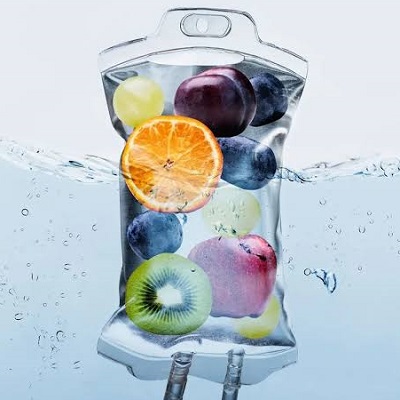
What Is an IV Drip and How Does It Work?
An IV Drip is a method of delivering fluids and selected substances directly into a vein. A small catheter is inserted into a vein, usually in the arm or hand, and connected to a bag containing a prescribed or prepared solution.
Depending on the purpose of the treatment, an IV solution may contain fluids and electrolytes such as sodium or other nutrients. Some formulations may also contain vitamins or other ingredients.
The major difference between IV therapy and oral supplements is the route of administration. When a person drinks water or takes a vitamin supplement, the digestive system processes it before nutrients enter circulation. With intravenous administration, the contents of the IV solution enter the bloodstream directly.
This can be useful in certain medical situations. For example, healthcare professionals may use intravenous fluids when a person has substantial fluid loss, cannot keep fluids down, or needs medical treatment that cannot be effectively delivered orally.
For athletes, however, the situation is often different. A healthy athlete who can drink fluids and consume a balanced diet may not receive meaningful additional benefits simply because nutrients are delivered intravenously.
Why Are Athletes Interested in IV Drips?
Athletes place significant demands on their bodies. Long training sessions, endurance events, hot weather, heavy sweating, and repeated workouts can all increase fluid and electrolyte losses.
Because of this, athletes may be interested in IV therapy for several reasons. Some seek rapid hydration after strenuous activity, while others are interested in recovery support or replenishing nutrients.
An IV Drip may sound particularly appealing after a demanding event because it provides fluids directly into the bloodstream. However, convenience and medical necessity are two different things.
For most recreational and competitive athletes, adequate oral hydration and nutrition can address ordinary fluid and nutrient requirements. Sports drinks, water, electrolyte-containing beverages, meals, and snacks can often provide what the body needs without an invasive procedure.
The appeal of IV therapy may therefore be strongest in specific circumstances rather than as a routine replacement for normal recovery habits.
Potential Benefits of IV Drip Therapy for Athletes
When medically appropriate, an IV Drip can provide some practical advantages. One of the most obvious is rapid fluid delivery.
Rapid Fluid Replacement
When an athlete experiences significant fluid loss and cannot adequately replace it by drinking, intravenous fluids can provide a controlled route for fluid administration. This can be especially relevant when dehydration is severe or accompanied by symptoms that require medical assessment.
However, mild dehydration after exercise does not necessarily require an IV. Drinking appropriate fluids may be sufficient and is generally simpler and less invasive.
Electrolyte Support
Sweating causes the body to lose water and electrolytes. The amount lost varies from person to person and depends on factors such as exercise intensity, duration, environmental temperature, sweat rate, and individual physiology.
An appropriately formulated IV solution can provide certain electrolytes when there is a legitimate need for them. That does not mean that every athlete needs intravenous electrolytes after exercise.
In many cases, electrolyte-containing drinks and food can provide adequate replacement.
Useful When Oral Intake Is Difficult
One situation in which IV fluids may be particularly useful is when an athlete cannot tolerate enough fluid orally. Nausea, vomiting, illness, or severe dehydration can make drinking difficult.
In such cases, intravenous treatment may be considered by a qualified healthcare professional after assessing the athlete's condition.
Medical Treatment Rather Than a Simple Recovery Shortcut
It is important to distinguish medically indicated IV therapy from elective wellness treatment. The strongest rationale for an IV Drip exists when there is a specific medical reason for intravenous fluids or nutrients.
For a healthy athlete who simply feels tired after a workout, an IV is unlikely to replace the fundamentals of recovery.
Can an IV Drip Improve Athletic Performance?
This is where expectations should remain realistic.
An IV Drip should not automatically be viewed as a shortcut to better athletic performance. There is a major difference between correcting a genuine fluid or electrolyte problem and giving an otherwise healthy athlete an IV in the hope of gaining an extra performance advantage.
If dehydration is impairing physical performance, correcting the dehydration can help the athlete return toward normal function. But that does not necessarily mean the IV itself provides a performance boost beyond what appropriate oral hydration could achieve.
Similarly, adding vitamins to an IV does not guarantee greater energy, endurance, muscle recovery, or athletic performance. If an athlete already receives adequate nutrients through food, giving additional vitamins intravenously may provide little practical benefit.
Athletic performance is influenced by many factors, including training quality, adequate calories and protein, carbohydrate availability, hydration, sleep, stress, injury status, and overall health. No single IV treatment can replace these fundamentals.
IV Drip Safety: What Athletes Should Know
Although IV therapy may appear straightforward, it is still an invasive medical procedure. A needle or catheter enters a vein, which means there are potential risks.
Possible complications can include pain or bruising around the insertion site, irritation of the vein, infection, bleeding, or inflammation. Inappropriate fluid or electrolyte administration can also create health problems, particularly for people with certain medical conditions.
There is also a risk associated with receiving unnecessary ingredients. More nutrients are not always better. Certain vitamins and minerals can cause adverse effects when given in excessive amounts, and the body's needs differ from one individual to another.
Athletes should therefore avoid treating IV therapy as a casual wellness procedure simply because it is marketed as a fast recovery option.
A qualified healthcare professional should determine whether intravenous treatment is appropriate, review relevant medical history, and consider factors such as medications, kidney function, heart health, allergies, hydration status, and the athlete's current symptoms.
Athletes should also be cautious about products or treatments that make broad claims about detoxification, instant energy, immunity, or dramatic performance enhancement without strong evidence.
When Might an Athlete Consider an IV Drip?
There is no universal rule stating that athletes should or should not use an IV Drip. The appropriate decision depends on the circumstances.
An athlete experiencing significant dehydration, persistent vomiting, inability to keep fluids down, or another condition requiring medical care may need intravenous fluids as part of appropriate treatment.
On the other hand, an athlete who has completed a normal training session and can comfortably drink, eat, and rest may have little reason to choose an IV.
Before considering IV therapy, an athlete can first evaluate the basics:
- Has adequate fluid been consumed?
- Has the athlete eaten a balanced recovery meal?
- Are electrolytes needed because of heavy sweating or prolonged exercise?
- Has sufficient carbohydrate and protein been consumed?
- Has the athlete had enough sleep?
- Is unusual fatigue occurring repeatedly?
- Could an underlying medical issue be responsible for poor recovery?
If fatigue, weakness, cramps, dizziness, or poor performance keeps occurring despite appropriate nutrition and hydration, the more useful step may be a medical evaluation rather than automatically choosing an IV treatment.
IV Drip vs. Traditional Athletic Recovery
For most healthy athletes, traditional recovery strategies remain extremely important.
Hydration is one of the simplest places to start. Fluid needs vary based on exercise duration, sweat rate, weather, body size, and individual needs. Drinking enough fluid before, during, and after activity can help maintain normal hydration.
Nutrition is equally important. A recovery meal containing carbohydrates can help replenish energy stores, while adequate protein supports muscle repair and adaptation. A varied diet can also provide a wide range of vitamins and minerals.
Sleep should not be overlooked. Consistently getting enough high-quality sleep supports physical recovery, mental performance, reaction time, and training readiness.
Active recovery, appropriate rest days, mobility work, and sensible training progression can also contribute to long-term performance.
An IV Drip may have a role in selected medical situations, but it should generally be considered an additional treatment option rather than the centerpiece of an athlete's recovery program.
So, Is an IV Drip Worth Trying?
For some athletes and certain medical situations, an IV Drip may be appropriate and useful. For example, an athlete who is significantly dehydrated and cannot adequately drink may benefit from intravenous fluids under professional medical supervision.
For a healthy athlete who simply wants faster recovery after an ordinary workout, the answer is less straightforward. There is not a good reason to assume that an IV automatically provides superior recovery compared with appropriate oral hydration, balanced nutrition, and adequate rest.
The decision should therefore be based on medical need rather than trends or marketing promises.
Athletes considering IV therapy can discuss their goals and symptoms with a qualified healthcare professional. This can help determine whether there is a genuine indication for intravenous treatment or whether a simpler recovery strategy would be more appropriate.
Ultimately, the most effective athletic recovery plan is usually the one that addresses the basics consistently. Proper hydration, sufficient food, quality sleep, intelligent training, and injury prevention form the foundation. An IV Drip may have a supporting role in specific circumstances, but it should not be considered a universal solution for performance or recovery.
Frequently Asked Questions
1. What is an IV Drip for athletes?
An IV Drip is a treatment that delivers fluids and, depending on the formulation, electrolytes or other nutrients directly into a vein. For athletes, it may be considered when there is a specific need for intravenous hydration or medical treatment. It is not necessarily required after routine exercise.
2. Can an IV Drip help with dehydration after exercise?
It can help provide fluids when significant dehydration is present, particularly when an athlete cannot adequately drink. Mild dehydration can often be managed through appropriate oral fluids and electrolyte replacement. The severity and cause of dehydration should be assessed before deciding on IV treatment.
3. Does an IV Drip improve athletic performance?
An IV Drip should not be assumed to provide a direct performance boost. If an athlete has a genuine fluid or electrolyte deficiency, correcting that problem may help restore normal physical function. However, IV therapy does not replace proper training, nutrition, hydration, and sleep.
4. Are IV Drips safe for athletes?
IV therapy can be appropriate when medically indicated and administered properly, but it is not completely risk-free. Possible complications include bruising, vein irritation, infection, and problems related to inappropriate fluids or nutrient doses. Professional assessment is important before treatment.
5. Is an IV Drip better than drinking water or electrolyte fluids?
Not necessarily. For an athlete who can drink normally, oral hydration is often a practical and less invasive way to replace fluids. IV treatment has a more specific role when oral intake is inadequate or when a medical condition makes intravenous treatment appropriate.
6. How often should an athlete get an IV Drip?
There is no standard frequency that applies to every athlete. Routine IV therapy should not be considered necessary simply because someone trains frequently. The appropriate frequency, if any, depends on an individual's medical circumstances and should be determined with qualified healthcare guidance.
Read More About IV Drip: https://writer.zohopublic.com/writer/published/qulz81ef0a9e88e184dae885f7dc8037a1b38