Feeling tired from a busy schedule, poor sleep, dehydration, or demanding physical activity is common. When energy levels drop, many people look for quick ways to feel refreshed and get through the day. One option that has gained attention is an IV Drip, particularly IV therapy marketed for hydration, recovery, and energy support.
An IV drip delivers fluids and selected nutrients directly into a vein through a small catheter. Because the ingredients enter the bloodstream directly, the process does not depend on digestion in the same way that food or oral supplements do. However, that does not automatically mean an IV drip provides an instant or guaranteed energy boost.
Understanding what an IV drip actually does can help people make informed decisions. The effects depend on the ingredients used, the reason for treatment, and whether a person has an underlying problem contributing to fatigue.
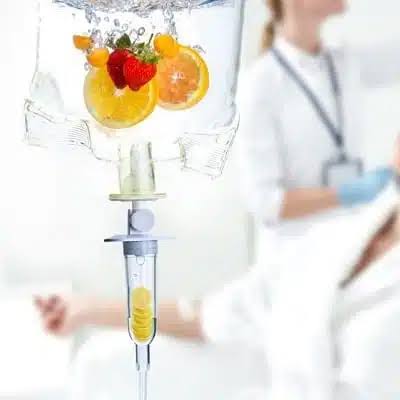
What Is an IV Drip for Energy?
An IV Drip is a form of intravenous therapy in which fluids and, depending on the formulation, certain vitamins, minerals, or other nutrients are administered through a vein. Energy-focused IV treatments are commonly designed around hydration and nutrients that support normal metabolic processes.
A typical energy-oriented IV treatment may contain fluids along with ingredients such as vitamin C, B vitamins, magnesium, or other nutrients. The exact combination varies depending on the treatment protocol and the individual's needs.
It is important to understand that an IV drip is not the same thing as an energy drink or stimulant. It generally does not create energy in the body in the same way caffeine temporarily increases alertness. Instead, an IV treatment may help address dehydration or certain nutrient deficiencies when those factors are contributing to tiredness.
For someone who is dehydrated, restoring fluid levels can make a noticeable difference in how the person feels. For someone who is already well hydrated and nutritionally healthy, the perceived energy benefit may be much less dramatic.
How Does an IV Drip Work?
An IV drip works by delivering its contents directly into the bloodstream. A healthcare professional places a small catheter into a suitable vein, usually in the arm or hand. The selected fluid then enters the body gradually over the course of the treatment.
This route of administration bypasses the digestive system. That can be useful when hydration is needed or when a person cannot adequately take fluids or nutrients by mouth.
The experience itself is generally straightforward. The person typically sits or reclines while the IV solution is administered. Treatment duration can vary depending on the fluid volume, formulation, and clinical circumstances.
Although direct delivery sounds appealing, faster absorption does not necessarily mean better results for everyone. The body still regulates and uses nutrients according to its physiological needs. If someone does not have a deficiency or another reason to benefit from intravenous treatment, adding more vitamins does not necessarily translate into more energy.
That is why a proper health assessment is important before choosing an IV drip specifically for fatigue.
Can an IV Drip Really Increase Energy?
The answer depends on what is causing the tiredness.
If dehydration is contributing to fatigue, intravenous fluids may help restore hydration and potentially improve symptoms associated with fluid loss. Dehydration can occur after intense exercise, excessive sweating, vomiting, diarrhea, or simply inadequate fluid intake.
Nutrient deficiencies can also contribute to fatigue. For example, deficiencies involving certain vitamins or minerals can affect normal energy metabolism. However, identifying a deficiency generally requires appropriate medical assessment rather than assuming that an IV vitamin treatment is necessary.
It is also worth separating feeling more refreshed from actually increasing the body's energy production. An IV drip cannot replace sleep, balanced nutrition, regular physical activity, or treatment for an underlying medical condition.
Some people may report feeling better after an IV treatment, particularly when dehydration or another correctable issue is involved. Others may notice little or no difference. The response is highly individual.
Persistent fatigue should not automatically be treated with IV therapy. Ongoing tiredness can have many causes, including insufficient sleep, stress, anemia, thyroid problems, infections, medication effects, mental health concerns, or other medical conditions. Identifying the underlying cause is often more useful than repeatedly treating the symptom.
What Ingredients Are Commonly Used in Energy IV Therapy?
The contents of an energy-focused IV drip can vary considerably. Treatment providers may use a combination of fluids and nutrients depending on the intended purpose.
Fluids: Intravenous fluids are often included to support hydration. This may be particularly relevant when fluid loss has occurred.
B vitamins: Several B vitamins play important roles in normal metabolism and help the body process nutrients. They are sometimes included in wellness-oriented IV formulations.
Vitamin C: Vitamin C is an essential nutrient involved in several normal biological functions, including antioxidant activity and immune function.
Magnesium: Magnesium contributes to numerous processes in the body, including normal muscle and nerve function and energy metabolism.
The presence of these nutrients in an IV formulation does not mean that every person needs them intravenously. If dietary intake is adequate and there is no deficiency, additional supplementation may offer limited benefit.
The formulation should therefore be selected based on an individual's circumstances rather than simply choosing the longest ingredient list. More ingredients are not automatically better.
Who Might Consider an IV Drip for Energy?
An IV drip may be considered in situations where intravenous hydration or nutrient administration is medically appropriate. For example, someone experiencing significant dehydration may require fluids, although the appropriate treatment depends on the severity and cause.
Some people also seek IV wellness treatments after strenuous physical activity, travel, periods of poor fluid intake, or particularly demanding schedules. In these circumstances, expectations should remain realistic.
An IV drip should not be viewed as a substitute for healthy habits. Adequate sleep, regular meals, sufficient water intake, physical activity, and stress management remain fundamental to maintaining normal energy levels.
People with ongoing or unexplained fatigue should consider discussing the symptom with a qualified healthcare professional. A medical evaluation can help determine whether factors such as anemia, nutritional deficiency, hormonal issues, sleep problems, infection, or another condition may be involved.
Are IV Drips Safe?
When administered appropriately by qualified healthcare professionals using suitable sterile equipment, IV therapy can be performed safely. However, it is still an invasive procedure and is not completely risk-free.
Possible minor effects include discomfort, bruising, irritation, or swelling around the injection site. Less commonly, complications such as infection, inflammation of the vein, fluid-related problems, or reactions to an administered ingredient can occur.
The risks can depend on the ingredients, dosage, volume of fluid, and the person's health status. Certain medical conditions can make intravenous fluids or specific nutrients inappropriate.
For this reason, an IV drip should not be treated like an ordinary beauty or wellness product. A qualified professional should review relevant medical history, medications, allergies, existing conditions, and the reason for seeking treatment before administration.
People should also be cautious about claims that promise dramatic or guaranteed energy improvements. Reliable health information should distinguish between potential benefits and proven outcomes.
What Should Someone Expect During an IV Drip Session?
Before an IV drip, a healthcare professional may ask about the person's health history, current symptoms, medications, allergies, and goals. Depending on the circumstances, additional assessment or testing may be appropriate.
During the treatment, a small catheter is inserted into a vein. The IV solution is then delivered gradually while the person remains seated or reclined. The insertion may cause a brief pinching sensation, while some people experience mild coolness or discomfort as the fluid enters.
Afterward, the person can usually return to normal activities according to the guidance provided by the healthcare professional. The appropriate aftercare can depend on the treatment and the individual's health.
A person should inform the healthcare professional if there is significant pain, swelling, burning, dizziness, difficulty breathing, or another concerning symptom during or after treatment.
Most importantly, an IV drip should be approached as a targeted medical intervention rather than a guaranteed shortcut to higher energy. If fatigue is frequent or severe, finding its underlying cause is generally the more important step.
FAQs About IV Drip for Energy
1. How quickly can an IV drip improve energy levels?
The timing varies from person to person and depends largely on why the individual feels tired. Someone whose fatigue is related to dehydration may feel better after hydration, while a person whose tiredness has another underlying cause may experience little benefit. There is no universal timeframe or guaranteed energy boost.
2. Does an IV drip give the same energy boost as caffeine?
No. Caffeine is a stimulant that can temporarily increase alertness. An IV drip generally focuses on hydration and nutrients rather than stimulation. Any improvement in how a person feels may depend on whether the treatment addresses an actual need, such as dehydration or a nutrient deficiency.
3. How long do the effects of an energy IV drip last?
There is no fixed duration. The perceived effects can vary depending on hydration status, nutrition, sleep, physical activity, the underlying cause of fatigue, and the ingredients administered. Claims that a particular IV treatment will provide a guaranteed energy boost for a specific number of days should be viewed cautiously.
4. Is an IV drip better than taking vitamins by mouth?
Not necessarily. Intravenous administration delivers substances directly into the bloodstream, but that does not mean it is automatically more beneficial than oral nutrition or supplements. Oral intake is appropriate for many people, while IV administration may be useful in specific medical circumstances. The appropriate route depends on individual needs.
5. Can someone get an IV drip whenever they feel tired?
Feeling tired does not automatically mean an IV drip is appropriate. Occasional fatigue may improve with sleep, hydration, nutritious meals, and rest. Persistent, severe, or unexplained fatigue deserves proper medical evaluation to identify the underlying cause before relying on IV therapy.
6. Are there risks associated with IV drips?
Yes. Although IV therapy can be safely administered in appropriate circumstances, it involves inserting a catheter into a vein. Potential complications include bruising, discomfort, vein irritation, infection, and reactions to ingredients. A qualified healthcare professional should assess whether the treatment is suitable before it is given.
Final Thoughts
An IV Drip for energy may help some people feel more refreshed when dehydration or a specific nutritional or medical need is contributing to fatigue. However, it should not be considered a universal energy booster or replacement for healthy lifestyle habits.
The most useful approach is to understand why energy levels are low in the first place. Adequate sleep, hydration, balanced nutrition, physical activity, and appropriate medical care remain central to long-term energy and wellbeing.
For anyone considering IV therapy, a qualified healthcare professional can help determine whether intravenous treatment is appropriate and whether another approach would be more suitable. Making that decision based on individual health needs rather than promises of instant energy can lead to safer and more realistic expectations.
Read More About IV Drip: <a href="https://pastelink.net/f3pzcp4v"https://pastelink.net/f3pzcp4v