IV therapy has become an increasingly discussed wellness and treatment option for people interested in hydration, nutrient support, and convenient healthcare services. While the concept may sound highly medical, the basic idea behind IV Drips is relatively simple: fluids and selected nutrients are delivered directly into a vein through a small intravenous catheter.
For someone who has never experienced IV therapy, the process can raise several questions. What exactly are IV drips? What are they used for? How does an IV session work? Are they suitable for everyone?
Understanding the basics can help people make informed decisions and know what to expect before considering an IV treatment.
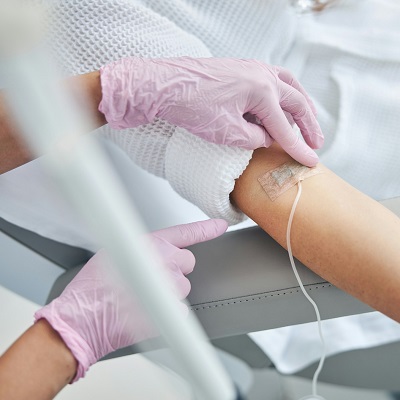
What Are IV Drips?
IV drips, also known as intravenous infusions, deliver fluids directly into the bloodstream through a vein. Unlike oral supplements or drinks, which pass through the digestive system before nutrients and fluids are absorbed, IV therapy introduces the infusion directly into circulation.
An IV drip may contain fluids such as saline along with vitamins, minerals, electrolytes, or other ingredients selected according to the purpose of the treatment. The specific formulation can vary considerably between services and should be determined according to an individual's health needs.
The treatment is usually administered using a small catheter placed into a vein, commonly in the arm or hand. Once the IV is connected, the fluid gradually enters the bloodstream over a period of time.
IV drips are used in conventional medical settings for many legitimate healthcare purposes, including hydration and administration of medications or nutrients. They are also offered in some wellness settings for people seeking hydration or nutritional support.
However, the fact that a substance can be delivered through an IV does not automatically mean that IV therapy is appropriate or necessary for everyone.
How Does IV Therapy Work?
The process of receiving an IV drip is generally straightforward. Before treatment, a healthcare professional may ask about a person's medical history, current medications, allergies, symptoms, and treatment goals. Depending on the situation, additional health information or assessment may be needed.
After the appropriate infusion has been selected, the skin around the injection site is cleaned. A small catheter is then inserted into a suitable vein and connected to the IV line.
The fluid enters the bloodstream gradually. The person receiving treatment can normally sit comfortably during the infusion, although the exact experience depends on the type of treatment and the setting.
A healthcare professional should monitor the person during treatment and respond to any unusual symptoms. After the infusion is complete, the catheter is removed and the area is usually covered with a small dressing.
One of the main attractions of IV drips is that the process does not require swallowing tablets or large amounts of fluid. However, direct delivery into the bloodstream also means that appropriate screening and professional administration are important.
What Can Be Included in IV Drips?
There is no single standard IV drip formula. Different formulations may contain different combinations of fluids, vitamins, minerals, or medications depending on the intended medical purpose.
Common components can include:
- Saline or another appropriate IV fluid
- Electrolytes
- Certain vitamins
- Minerals
- Medications when medically indicated
- Other nutrients or compounds used under appropriate clinical supervision
Some IV services market specific blends for hydration, energy, athletic recovery, immune support, or general wellness. The evidence supporting these different purposes varies, and marketing claims should not be confused with established medical benefits.
For example, if a person has a genuine fluid or electrolyte imbalance, intravenous fluids may be medically useful. On the other hand, a healthy person with an adequate diet and normal nutrient levels may not necessarily gain additional health benefits simply because vitamins are delivered intravenously.
The contents of an IV drip should therefore be considered carefully rather than selected solely because a particular combination is popular.
What Are IV Drips Commonly Used For?
IV therapy has established medical uses, particularly when someone needs fluids, medication, or certain nutrients delivered efficiently.
One common application is hydration. People who are unable to drink enough fluids or who have experienced significant fluid loss may require intravenous fluids under medical supervision.
IV therapy may also be used when a person cannot adequately absorb or tolerate something through the digestive system. In medical environments, intravenous administration can be particularly useful when rapid or reliable delivery is necessary.
Some IV services also provide treatments intended for wellness purposes, such as general hydration or nutritional supplementation. The potential value of these treatments depends on the individual's circumstances, the ingredients used, and whether a genuine deficiency or medical need exists.
It is important to remember that IV therapy should not be viewed as a universal solution for tiredness, poor diet, dehydration, or other health concerns. Persistent symptoms may have an underlying cause that needs proper medical evaluation.
Are IV Drips Safe?
When administered appropriately by qualified healthcare professionals, IV therapy can be safe for many people. Nevertheless, it is an invasive procedure, so it is not completely risk-free.
Possible minor effects can include discomfort, bruising, swelling, or irritation around the insertion site. Some people may also experience temporary dizziness or discomfort during the infusion.
Less common but more serious complications can occur, particularly if IV therapy is performed improperly or if an unsuitable substance or dose is administered. These may include infection, inflammation of the vein, fluid-related complications, or reactions to an infused ingredient.
Certain people may need extra caution. Individuals with kidney, heart, or liver problems, pregnant individuals, people taking certain medications, or those with allergies or other medical conditions should discuss IV therapy with an appropriate healthcare professional before treatment.
A proper assessment is especially important when an IV drip contains medications, high concentrations of nutrients, or other active ingredients.
What Should Someone Expect During an IV Drip Session?
For someone considering IV therapy for the first time, knowing what happens during a session can make the experience less intimidating.
The appointment generally begins with a health assessment. The healthcare professional may discuss the person's symptoms, medical history, medications, allergies, and reason for considering IV therapy.
Once the treatment is considered appropriate, the IV catheter is inserted into a vein. Some people feel a brief pinch or sting during insertion. The infusion then begins.
During the treatment, the person may be able to read, use a phone, listen to music, or simply relax. The length of an infusion depends on the formulation and the amount of fluid being administered.
The healthcare professional should monitor the individual and the IV site throughout the session. If pain, burning, swelling, shortness of breath, rash, or another unusual symptom develops, it should be reported immediately.
After the treatment, the catheter is removed. Some people can return to their normal activities shortly afterward, while others may be advised to rest depending on the treatment they received.
How Can Someone Decide Whether IV Therapy Is Right for Them?
The decision to receive IV therapy should be based on an individual's health situation rather than trends or advertising.
A useful first step is to identify the reason for considering treatment. If someone is experiencing persistent fatigue, headaches, dizziness, dehydration, weakness, or another ongoing symptom, finding the underlying cause may be more important than simply receiving an IV drip.
A healthcare professional can determine whether the person actually needs intravenous fluids or nutritional support. In some situations, drinking fluids, maintaining a balanced diet, getting sufficient sleep, or taking an appropriate oral supplement may be enough.
People should also ask what exactly is contained in an IV formulation, why each ingredient is being recommended, what potential side effects exist, and whether there are safer or more appropriate alternatives.
It is also important to ensure that IV therapy is provided in a setting with appropriate hygiene, qualified healthcare personnel, sterile equipment, and proper medical screening.
IV drips can be useful in the right circumstances, but they should be treated as a medical intervention rather than simply a routine wellness procedure.
Frequently Asked Questions About IV Drips
1. What are IV drips used for?
IV drips are primarily used to deliver fluids, medications, electrolytes, vitamins, or other substances directly into the bloodstream. Their usefulness depends on the individual's medical needs and the ingredients being administered.
2. How long does an IV drip take?
The duration varies depending on the type and volume of the infusion. Some treatments may be completed relatively quickly, while others require more time. A healthcare professional can provide a more accurate estimate before treatment begins.
3. Do IV drips hurt?
There can be a brief pinch or sting when the IV catheter is inserted. Some people experience mild discomfort at the insertion site, but significant or persistent pain should be reported to the healthcare professional.
4. Are IV drips suitable for everyone?
No. IV therapy is not appropriate for everyone. People with certain medical conditions, allergies, medication interactions, or fluid-related health concerns may require additional assessment before receiving an infusion.
5. Are IV drips better than oral vitamins?
Not necessarily. IV administration can be useful when intravenous delivery is medically indicated, but it does not automatically make a nutrient more beneficial. For many healthy people, a balanced diet and appropriate oral supplementation may be sufficient.
6. What should someone do before receiving an IV drip?
A person should provide an accurate medical history, disclose medications and allergies, discuss the reason for treatment, and ask what the infusion contains. Professional assessment is important before any IV treatment.
IV therapy can be an appropriate and valuable medical treatment when there is a genuine need for intravenous fluids, nutrients, or medications. At the same time, it should not be considered a replacement for a balanced diet, appropriate hydration, preventive healthcare, or medical evaluation.
For anyone considering IV drips for wellness or a specific health concern, understanding the potential benefits, limitations, risks, and alternatives is an important part of making an informed decision. A qualified healthcare professional can help determine whether IV therapy is appropriate for an individual's particular circumstances.
Read More About IV Drips: https://writer.zohopublic.com/writer/published/p9znn067c67b57a964074bc8211c90dbc4f9e