Intravenous therapy, commonly known as IV therapy, has become increasingly popular among people seeking hydration, nutritional support, or targeted wellness treatments. With IV Drips in Oman becoming a topic of interest for health-conscious individuals, many people are curious about what these treatments contain, how they work, and whether they are suitable for everyone.
Unlike an ordinary drink or oral supplement, an IV drip introduces fluids, vitamins, minerals, medications, or other substances directly into the bloodstream. Because the digestive system is bypassed, the substances can enter circulation quickly. That direct delivery is one reason IV therapy requires more careful consideration than simply taking an oral supplement.
The ingredients and dosage should not be selected based solely on personal preference or an attractive treatment menu. A qualified healthcare professional should evaluate the person's health status, current medications, nutritional needs, and potential risks before recommending an IV formulation.
This professional oversight is particularly important because "more" does not necessarily mean "better." An unnecessarily high dose of a vitamin, mineral, medication, or fluid can create unwanted effects, while an inappropriate combination of ingredients may interact with existing medicines or medical conditions.
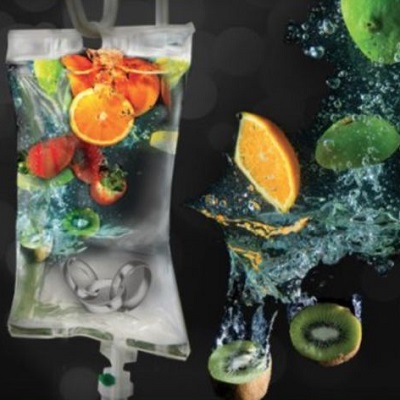
What Are IV Drips and How Do They Work?
An IV drip delivers a solution into a vein through a small catheter. Depending on the purpose of treatment, the solution may contain fluids, electrolytes, vitamins, minerals, medications, or other medically appropriate substances.
The intravenous route allows substances to enter the bloodstream without passing through the gastrointestinal tract. This can be useful when a person needs rapid fluid replacement or when a particular medication or nutrient needs to be delivered intravenously.
However, the fact that IV therapy delivers ingredients directly into the bloodstream also makes accuracy especially important. Once an ingredient has entered circulation, there is no opportunity for the digestive system to slow or reduce its absorption.
Medical IV fluids and infusions are therefore generally administered according to a defined clinical purpose and under appropriate supervision. The healthcare professional needs to determine what should be administered, how much is appropriate, how quickly it should be given, and whether the patient needs monitoring during treatment.
For wellness-oriented IV vitamin therapy, evidence for broad benefits in otherwise healthy people remains limited. It should not be viewed as a replacement for a balanced diet, appropriate medical treatment, sleep, exercise, or management of an underlying health condition.
Why Dosage Matters in IV Therapy
Dosage is one of the most important aspects of safe IV treatment. The appropriate amount of an ingredient can vary depending on several factors, including age, body size, medical history, kidney and liver function, nutritional status, medications, and the reason for treatment.
A dose that is appropriate for one person may not be appropriate for another.
This is particularly relevant when IV formulations contain vitamins or minerals. Although vitamins are essential for normal body functions, taking excessive amounts can sometimes cause toxicity or other adverse effects. The fact that an ingredient is naturally found in the body does not automatically make high-dose intravenous administration harmless.
Fluid volume also matters. Some individuals, particularly those with certain heart or kidney conditions, may need special caution with intravenous fluids because their bodies may not handle additional fluid in the same way as a healthy person's body.
Professional oversight helps ensure that dosage is based on an individual's circumstances rather than a standard formula applied to everyone.
It can also help identify situations in which IV therapy may not be appropriate at all.
Why the Ingredients in an IV Drip Need Careful Selection
The ingredients placed into an IV solution are just as important as their quantities. A professionally designed infusion should have a clear rationale for every ingredient included.
Some IV treatments may contain combinations of fluids, electrolytes, vitamins, minerals, antioxidants, or medications. However, the suitability of each ingredient depends on the individual's needs.
For example, someone who has a documented deficiency may have a very different treatment requirement from someone who simply wants a general wellness infusion. Similarly, a person taking prescription medication may need to consider potential interactions before receiving additional substances intravenously.
Ingredient quality is another critical consideration. Products intended for injection must meet appropriate standards for sterile use. Ingredients designed for food or dietary supplements are not automatically suitable for preparation of injectable products. The U.S. FDA has specifically warned that inappropriate ingredients used in sterile compounding can introduce contamination and endotoxin risks.
This highlights why patients considering IV Drips in Oman should ask reasonable questions about what is being administered and whether the ingredients are appropriate for intravenous use.
A transparent provider should be able to explain the purpose of the formulation, the ingredients involved, and the reason those ingredients have been selected.
Professional Assessment Should Come Before the Drip
An IV session should ideally begin with an appropriate health assessment rather than simply selecting an attractive combination from a menu.
A healthcare professional may ask about current symptoms, medical conditions, allergies, medications, pregnancy status, previous reactions to IV treatment, and other relevant health factors. Depending on the treatment and the individual's circumstances, laboratory testing may also be appropriate.
This assessment serves several purposes.
First, it can help determine whether IV therapy is actually necessary. Some symptoms that people associate with dehydration, vitamin deficiency, or low energy may have other causes that require medical evaluation.
Second, it helps identify conditions that could increase the risk of complications. Heart disease, kidney problems, pregnancy, certain medications, and other health factors may require additional caution or make some formulations unsuitable.
Third, an assessment can help establish an appropriate dosage. When treatment is individualized, there is less reason to rely on unnecessarily high or standardized doses.
Professional oversight should also continue during and after the infusion. Checking vital signs and observing the person for possible reactions can provide an additional layer of safety.
What Can Happen When IV Dosage or Ingredients Are Inappropriate?
IV treatment is a medical procedure, so it is not completely risk-free.
Possible problems can include discomfort, bruising, irritation, infection at the insertion site, fluid-related complications, allergic reactions, or adverse effects associated with a particular ingredient. Excessive doses of certain substances can also create toxicity.
There can also be risks associated with poor-quality or improperly prepared injectable products. Contamination of an injectable solution can have serious consequences because the product enters the bloodstream directly.
Electrolytes deserve particular attention. Both excessively high and excessively low electrolyte levels can cause significant health problems, including disturbances affecting the heart and nervous system.
The infusion rate can matter as well. Certain IV medications require controlled administration and monitoring because giving them too quickly or in excessive quantities can increase the risk of adverse effects.
For these reasons, professional oversight is not simply a formality. It is an important part of making intravenous treatment safer and more appropriate.
Choosing IV Drips in Oman: What Should Patients Ask?
People researching IV Drips in Oman can make more informed decisions by asking questions before beginning treatment.
A reputable medical setting should be willing to provide clear information about the treatment rather than relying solely on marketing claims.
Patients can ask:
- What is the medical purpose of this IV drip?
- What ingredients does it contain?
- Why has each ingredient been selected?
- What dosage of each ingredient will be administered?
- Is the formulation appropriate for intravenous use?
- Will a qualified healthcare professional assess the patient beforehand?
- Will vital signs be monitored during treatment?
- Are current medications and medical conditions taken into account?
- What possible side effects should the patient know about?
- What should the patient do if symptoms develop during or after treatment?
These questions do not mean that IV therapy is inherently unsafe. Instead, they encourage informed decision-making.
Patients should also be cautious about claims suggesting that one IV formula can solve a wide range of unrelated health concerns. Evidence for general wellness benefits from vitamin IV therapy is still limited, and IV treatment should not be presented as a miracle solution.
Why Individualized IV Therapy Is More Sensible Than a One-Size-Fits-All Approach
Every person's nutritional status, medical history, medication use, and fluid requirements can be different. That makes individualized assessment particularly valuable.
A person experiencing dehydration after significant fluid loss may have different needs from someone being evaluated for a nutritional deficiency. Likewise, an individual with a chronic medical condition may require a more cautious approach than a healthy adult.
The goal should therefore be appropriate treatment rather than simply maximizing the number of ingredients in an IV bag.
Professional oversight can help determine whether an IV is appropriate, what should be included, what dosage should be used, and whether another form of treatment would be more suitable.
In some circumstances, oral nutrition, drinking fluids, dietary changes, rest, or conventional medical treatment may be more appropriate than an IV infusion. Intravenous therapy should complement sound healthcare decisions rather than replace them.
Frequently Asked Questions About IV Drips in Oman
1. Are IV Drips in Oman suitable for everyone?
No. Suitability depends on the person's health, medical history, medications, allergies, fluid requirements, and the purpose of treatment. Certain people, including those with particular heart or kidney conditions or those who are pregnant, may need special caution. A healthcare professional should assess suitability before treatment.
2. Why is professional supervision important for IV therapy?
IV treatment introduces substances directly into the bloodstream, so dosage, ingredients, infusion speed, sterility, and monitoring all matter. Professional supervision can help identify contraindications, reduce avoidable risks, and respond appropriately if an adverse reaction occurs.
3. Can a higher dose of vitamins make an IV drip more effective?
Not necessarily. Higher doses do not automatically provide greater benefits and can increase the risk of adverse effects or toxicity. Dosage should be based on the individual's needs and the clinical purpose of treatment.
4. Are all vitamin and supplement ingredients suitable for IV use?
No. Ingredients intended for oral supplements or food products are not automatically suitable for injection. Injectable preparations require appropriate ingredients and sterile handling. Regulatory authorities have warned about risks associated with unsuitable ingredients being used in compounded injectable products.
5. Should patients disclose their medications before receiving an IV drip?
Yes. Patients should provide a complete and accurate list of prescription medicines, over-the-counter products, and supplements. Some ingredients can interact with medications or may not be appropriate with certain medical conditions.
6. What should someone consider before choosing an IV drip?
The most important considerations are the medical purpose of the treatment, the ingredients and dosages, the quality and suitability of the IV products, professional assessment, monitoring, and the provider's ability to explain potential risks and benefits clearly. A person should be comfortable asking questions before proceeding.
Making Safety the Priority With IV Therapy
The growing interest in IV Drips in Oman reflects broader interest in convenient approaches to hydration, nutrition, and wellness. However, convenience should never come at the expense of appropriate medical judgment.
An IV drip is more than a bag of fluid. The contents, concentration, dosage, administration rate, sterility, and patient characteristics all influence safety. What may be appropriate for one individual could be unnecessary or unsuitable for another.
Professional assessment helps place IV therapy in the right context. It can determine whether an infusion is needed, identify potential risks, and support a treatment plan based on the individual's circumstances rather than generalized wellness claims.
For anyone considering IV therapy, the best approach is informed and cautious: understand what is being administered, ask why it is being recommended, disclose relevant health information, and choose a setting where qualified professionals oversee the process.
Ultimately, responsible IV therapy is not about adding as many ingredients as possible. It is about using the right ingredients, at the right dose, for the right person, with appropriate professional oversight.
Read More About IV Drips: https://pdplex.blog/can-you-bring-someone-with-you-for-iv-drips/