When the skin looks dull, congested, oily, or uneven, professional facial treatments can provide a noticeable refresh. Two popular options are <a href="https://www.enfieldroyalclinics.om/laser-treatments/laser-carbon-peel/>"Laser Carbon Peel and Hydrafacial. Although both treatments aim to improve the appearance and feel of the skin, they work in different ways and may suit different skincare concerns.
Choosing between them often depends on what the skin needs most. Someone primarily concerned with excess oil, visible pores, and uneven texture may have different priorities from someone looking for hydration, gentle exfoliation, and an immediate dewy appearance.
Understanding the differences between Laser Carbon Peel and Hydrafacial can make the decision easier. Neither treatment is universally better than the other. Instead, the more suitable option depends on skin type, concerns, desired results, and tolerance for different treatment approaches.
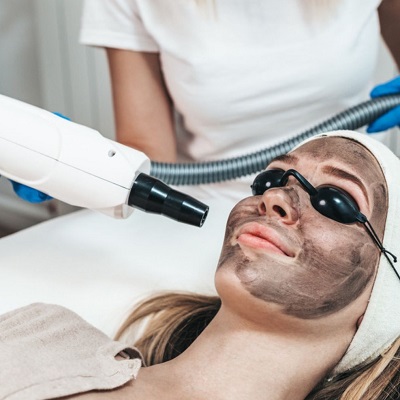
What Is a Laser Carbon Peel?
A Laser Carbon Peel is a non-invasive cosmetic skin treatment that combines a carbon-based topical product with laser energy. A thin layer of carbon lotion is typically applied to the skin before a laser is used over the treated area.
The carbon can interact with surface oil, dead skin cells, and impurities. Laser energy then helps remove the carbon and the material attached to it, providing exfoliation and skin cleansing.
The treatment is often associated with concerns such as oily skin, clogged pores, visible pores, uneven texture, and dullness. It may also leave the skin looking brighter and smoother.
One reason Laser Carbon Peel attracts attention is that it generally involves little downtime compared with more aggressive resurfacing procedures. Temporary redness or sensitivity can still occur, particularly in individuals with sensitive skin.
It is important to understand that a carbon peel does not permanently remove pores or dramatically transform the skin overnight. Instead, it can help improve the appearance of the skin by addressing surface buildup and excess oil.
What Is a Hydrafacial?
Hydrafacial is a multi-step facial treatment that typically combines cleansing, exfoliation, extraction, and hydration. The treatment uses a specialized device to cleanse the skin and remove surface impurities while applying skincare solutions.
Unlike Laser Carbon Peel, Hydrafacial does not rely primarily on laser energy. Its approach is centered around mechanical cleansing, exfoliation, extraction, and hydration.
The treatment may appeal to people who want a refreshed, hydrated appearance without significant downtime. It can be used for several common concerns, including dullness, dryness, mild congestion, uneven texture, and the appearance of pores.
Because hydration is a major component, Hydrafacial can be especially attractive to individuals whose skin feels dry or dehydrated after cleansing.
Laser Carbon Peel vs Hydrafacial: Key Differences
While both treatments can improve the appearance of the skin, their techniques and primary strengths differ.
Treatment Approach
Laser Carbon Peel uses a carbon-based layer followed by laser energy. The process focuses on exfoliating the skin and addressing surface oil and impurities.
Hydrafacial uses a specialized device to cleanse, exfoliate, extract, and hydrate the skin through a series of steps.
Therefore, the treatments may feel quite different. A carbon peel may involve warmth or a mild snapping sensation from the laser, while Hydrafacial is generally experienced as a suction-based cleansing and exfoliating treatment.
Focus on Oil and Pores
For individuals whose main concern is oily skin and visibly congested pores, Laser Carbon Peel may be an appealing choice. By targeting surface oil and impurities, it can help create a cleaner and more refined appearance.
Hydrafacial can also address congestion and the appearance of pores, particularly through cleansing and extraction. However, its overall approach places greater emphasis on hydration as well as cleansing.
Focus on Hydration
Hydration is one of the major strengths of Hydrafacial. The treatment is designed to replenish the skin with hydrating solutions after exfoliation and cleansing.
Laser Carbon Peel can leave the skin feeling fresh and smooth, but it is not primarily a hydration treatment. Individuals with dry or dehydrated skin may therefore have different priorities when choosing between the two.
Exfoliation
Both treatments can exfoliate the skin, but they do so differently.
Laser Carbon Peel uses carbon and laser energy to help remove surface debris and dead skin cells. Hydrafacial uses a specialized device to cleanse and exfoliate while simultaneously supporting hydration.
The best option depends on the individual's skin condition and how much exfoliation the skin can comfortably tolerate.
Which Treatment Is Better for Different Skin Concerns?
There is no single answer because the two treatments are designed with somewhat different priorities.
For Oily Skin
Laser Carbon Peel may be a suitable option for people who struggle with excess surface oil. By helping remove oil and impurities, it can leave the skin looking cleaner and less greasy.
Hydrafacial may also be useful for oily skin, especially when congestion and dehydration occur together. A professional assessment can help determine which approach is more appropriate.
For Visible Pores
Both treatments can improve the appearance of pores, but neither permanently eliminates them.
Laser Carbon Peel may be particularly appealing when enlarged-looking pores are associated with oil and surface buildup. Removing some of this buildup can make pores appear less prominent.
Hydrafacial can also help improve pore appearance through cleansing, exfoliation, and extraction.
For Dry or Dehydrated Skin
Hydrafacial may have an advantage when hydration is the primary goal. Its treatment process includes hydrating solutions intended to leave the skin feeling refreshed.
Individuals with dry skin considering Laser Carbon Peel may need to discuss their skin condition beforehand to ensure the procedure is appropriate and to establish a suitable aftercare routine.
For Dull Skin
Both treatments may help improve the appearance of dull skin.
Laser Carbon Peel can provide exfoliation and may leave the complexion looking brighter and smoother. Hydrafacial can combine exfoliation with hydration, which may produce a fresh, dewy appearance.
For Uneven Skin Texture
Laser Carbon Peel may help improve superficial unevenness by removing surface buildup and dead skin cells.
Hydrafacial can also improve the feel and appearance of skin texture through cleansing and exfoliation. The underlying cause of uneven texture matters, however. More significant acne scarring or deeper textural changes may require a different type of professional treatment.
Laser Carbon Peel or Hydrafacial: Which Should Someone Choose?
The better choice depends largely on the individual's primary skincare concern.
A person mainly concerned with oily skin, visible pores, surface congestion, and a refreshed complexion may consider Laser Carbon Peel.
Someone primarily interested in hydration, cleansing, gentle exfoliation, and an immediate dewy appearance may prefer Hydrafacial.
There is also an important consideration for people with sensitive or reactive skin. Neither treatment should automatically be considered appropriate simply because it is non-invasive. Skin sensitivity, current irritation, active breakouts, allergies, and previous reactions to cosmetic treatments can influence suitability.
A qualified skincare professional can evaluate the skin and recommend the safer and more appropriate option.
The choice should also be based on realistic expectations. Neither treatment can permanently stop aging, erase pores, or replace a consistent skincare routine.
What About Downtime and Aftercare?
Both treatments are generally associated with relatively little downtime, although individual reactions can vary.
After a Laser Carbon Peel, some people may experience temporary redness, warmth, dryness, or mild sensitivity. Gentle skincare and protection from excessive sun exposure are generally important while the skin settles.
After Hydrafacial, the skin may appear refreshed and hydrated, although temporary redness can occur in some individuals, especially after extraction.
Regardless of the chosen treatment, aggressive exfoliation immediately afterward is usually best avoided. A gentle cleanser, appropriate moisturizer, and daily broad-spectrum sunscreen can help support the skin barrier.
Individuals should also follow any personalized aftercare instructions provided by their skincare professional.
Can the Two Treatments Be Combined?
Some people may wonder whether Laser Carbon Peel and Hydrafacial can be performed as part of the same skincare plan.
The answer depends on the condition and sensitivity of the skin. Combining multiple exfoliating or resurfacing treatments too closely together may increase the possibility of irritation.
A professional should determine whether combining treatments is appropriate and, if so, how much time should be allowed between procedures.
In many cases, a simple and consistent skincare routine may be more beneficial than repeatedly layering professional treatments. The goal should be healthy, balanced skin rather than excessive exfoliation.
Final Verdict: Laser Carbon Peel vs Hydrafacial
Laser Carbon Peel and Hydrafacial can both provide useful skin-refreshing benefits, but they are not identical treatments.
Laser Carbon Peel may be particularly attractive to individuals who want to address excess oil, visible pores, surface congestion, and uneven texture. Its combination of carbon and laser energy provides exfoliation while targeting impurities on the skin's surface.
Hydrafacial may be a stronger choice for people who prioritize cleansing, hydration, exfoliation, and a refreshed, dewy appearance.
Ultimately, neither treatment is automatically better. The right option depends on the individual's skin type, concerns, sensitivity, lifestyle, and desired outcome.
For someone deciding between the two, the most useful starting point is to identify the primary concern. If oiliness and pore visibility are the biggest issues, Laser Carbon Peel may be worth discussing. If dehydration and a lack of radiance are the main concerns, Hydrafacial may be more appealing.
Whichever treatment is selected, professional guidance and appropriate aftercare remain important. A treatment can provide a temporary improvement, but long-term skin health depends on daily habits such as gentle cleansing, moisturizing, sun protection, and using skincare products suited to the individual's needs.
1. Is Laser Carbon Peel better than Hydrafacial for pores?
Neither treatment is universally better for pores. Laser Carbon Peel may be particularly useful when visible pores are associated with excess oil and surface congestion. Hydrafacial can also improve the appearance of pores through cleansing, exfoliation, and extraction.
2. Which treatment is better for oily skin, Laser Carbon Peel or Hydrafacial?
Laser Carbon Peel may be appealing for oily skin because it focuses on removing surface oil and impurities. Hydrafacial can also benefit oily skin, particularly when congestion occurs alongside dehydration. Skin condition and individual sensitivity should be considered before treatment.
3. Which treatment is better for dry skin?
Hydrafacial may be more suitable when hydration is the primary concern because hydration is an important part of the treatment. Someone with dry or sensitive skin considering Laser Carbon Peel should first have the skin assessed professionally.
4. Does Laser Carbon Peel permanently reduce pore size?
No. Pores are natural structures and cannot be permanently removed. Laser Carbon Peel may make them look less noticeable by reducing oil, congestion, and surface buildup.
5. How often can Laser Carbon Peel or Hydrafacial be performed?
Treatment frequency varies according to skin type, treatment intensity, and individual goals. A professional can recommend an appropriate schedule. Performing exfoliating treatments too frequently may irritate the skin.
6. Can Laser Carbon Peel and Hydrafacial be used in the same skincare plan?
They may be used as part of a broader skincare plan in some circumstances, but they should not automatically be performed close together. Combining exfoliating treatments without professional guidance may increase irritation and compromise the skin barrier.
Read More About Laser Carbon Peel: https://pastelink.net/249mxn3g