Liposuction is a widely used body-contouring procedure designed to remove localized deposits of fat that may be resistant to diet and exercise. Rather than serving as a general weight-loss method, the procedure focuses on reshaping specific areas of the body and creating a more balanced contour.
People researching the Best Liposuction Surgery in Muscat often want to understand what actually happens during fat removal. Knowing how liposuction works, what happens to the fat cells, how the body responds afterward, and what results can realistically be expected can help individuals approach the procedure with better information.
Although liposuction techniques have developed considerably over the years, the basic principle remains straightforward: a surgeon uses a specialized cannula to loosen and remove targeted fat cells through small openings in the skin. The technique, anesthesia, treatment area, and amount of fat removed depend on the individual's anatomy, health, goals, and surgical plan.
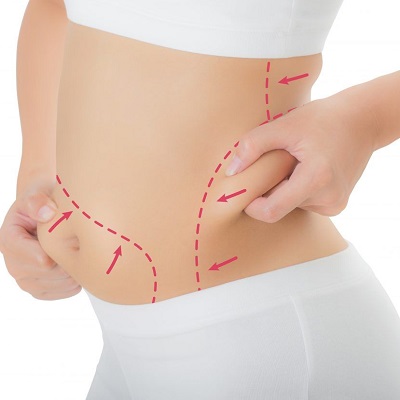
What Is Liposuction Surgery?
Liposuction is a surgical body-contouring procedure used to reduce localized fat deposits. Common treatment areas can include the abdomen, hips, thighs, buttocks, arms, back, chin, and other areas where excess fat may affect body proportions.
The procedure does not remove all fat from a treatment area. Instead, the surgeon carefully targets selected deposits to improve the overall shape of the body. Maintaining a natural appearance is an important part of treatment planning.
Liposuction is generally most suitable for people who are relatively healthy and have localized fat deposits that have not responded sufficiently to lifestyle measures. Skin elasticity is also an important consideration because the skin needs to adapt to the new underlying contour after fat removal.
The procedure should not be viewed as a substitute for a healthy lifestyle. Weight management, regular physical activity, and balanced nutrition remain important both before and after treatment.
How Does Fat Removal Work During Liposuction?
The fat-removal process begins with careful preparation and marking of the treatment area. The surgeon identifies where fat needs to be reduced and plans the access points and direction of treatment.
Small openings are then made in the skin. A thin tube called a cannula is inserted through these openings. The cannula is moved through the fatty tissue in a controlled manner to separate and remove targeted fat cells.
Modern liposuction commonly uses a technique involving the infiltration of a specially prepared fluid into the treatment area. This fluid can help separate fat tissue, reduce bleeding, and make fat removal more controlled. The exact solution and technique depend on the surgical plan.
Once the fat tissue has been loosened, suction is used to remove it through the cannula. The surgeon carefully controls the amount and location of fat removal to create a smoother contour.
The process is not simply about removing as much fat as possible. Excessive removal can create irregularities and may increase complications. Effective body contouring requires attention to symmetry, proportion, tissue characteristics, and the patient's overall anatomy.
Which Areas Can Liposuction Treat?
One reason liposuction remains popular is its versatility. It can be used to address localized fat in several parts of the body.
The abdomen and waist are common treatment areas, particularly when pockets of fat affect the body's overall proportions. The hips and thighs may also be treated when localized deposits create an uneven contour.
Some patients may consider treatment for the upper arms, back, or underneath the chin. Smaller treatment areas require particularly careful technique because even modest contour changes can be noticeable.
The best treatment area varies from person to person. During a consultation, the surgeon can assess the distribution of fat, skin quality, muscle structure, and overall body proportions.
For people considering the Best Liposuction Surgery in Muscat, it is important to remember that treatment planning should be individualized rather than based solely on a list of commonly treated areas.
What Happens to the Body After Fat Removal?
Once fat cells are removed from a specific area, those particular cells are permanently removed. However, the remaining fat cells throughout the body can still enlarge if a person gains weight.
This is why liposuction does not make someone permanently immune to weight gain. Significant weight gain after treatment can alter the results and may cause fat to accumulate in different areas.
After surgery, the body also needs time to recover. Swelling and bruising are common during the early healing period. The final contour may not be immediately visible because inflammation and fluid retention can temporarily obscure the result.
As healing progresses, swelling gradually decreases and the treated area begins to look more defined. The timeline varies according to the treatment area, amount of fat removed, individual healing characteristics, and surgical technique.
Following postoperative instructions carefully can support recovery and help reduce avoidable complications.
What Techniques May Be Used for Liposuction?
Liposuction has evolved into several techniques, and different approaches may be selected depending on the treatment area and the patient's needs.
Tumescent liposuction uses fluid infiltration before fat removal and is widely used in modern body-contouring procedures. Other approaches may incorporate technologies designed to assist with fat disruption or tissue treatment.
Some techniques use energy such as ultrasound or laser to help break down fat or influence surrounding tissues. These approaches are not automatically better for every patient. Their suitability depends on factors such as the treatment area, amount of fat, skin characteristics, and surgeon experience.
A qualified surgeon should explain which technique is being considered and why it is appropriate for the individual.
The goal is not to select the most technologically advanced-sounding option. The goal is to choose a safe and effective approach that matches the patient's anatomy and desired outcome.
What Are the Benefits and Limitations of Liposuction?
The main benefit of liposuction is improved body contouring. By reducing localized fat deposits, the procedure may create a more proportionate appearance in areas that seem resistant to lifestyle changes.
Some patients may notice improved clothing fit and greater satisfaction with their body shape. However, expectations should remain realistic.
Liposuction has limitations. It does not treat every cause of body shape concerns, and it cannot replace weight-loss treatment when someone has significant excess body weight. It also does not automatically tighten severely loose skin.
In some cases, significant skin laxity may require a different or additional body-contouring approach. A medical assessment is therefore important before deciding on treatment.
Potential complications can include swelling, bruising, infection, bleeding, changes in sensation, contour irregularities, fluid accumulation, scarring, and other surgical or anesthesia-related risks. The level of risk varies according to the individual and the extent of treatment.
A thorough consultation allows these issues to be discussed before a decision is made.
Recovery and Maintaining Liposuction Results
Recovery after liposuction varies depending on the treatment area and the amount of tissue treated. Swelling and bruising are generally expected during the initial recovery period.
Patients may be advised to wear compression garments for a period of time. These garments can provide support while the body heals, although the exact recommendations vary.
Light movement is often encouraged when medically appropriate because prolonged inactivity can have its own risks. However, strenuous exercise and certain activities may need to be avoided until the surgeon confirms that they are safe.
Follow-up appointments are an important part of recovery. They allow the medical team to monitor healing and identify potential concerns.
Maintaining a stable weight after liposuction can help preserve the results. A balanced diet and regular physical activity can support overall health and reduce the likelihood of significant changes in body contour.
For individuals exploring the Best Liposuction Surgery in Muscat, the quality of the treatment experience should be considered alongside the expected aesthetic outcome. Appropriate patient selection, careful surgical planning, qualified medical care, and responsible aftercare all contribute to a safer treatment journey.
Frequently Asked Questions
1. How does liposuction remove fat from the body?
Liposuction uses a thin cannula inserted through small skin openings to loosen and suction out targeted fat deposits. The surgeon controls the movement of the cannula and the amount of fat removed to improve body contours.
2. Is liposuction a weight-loss procedure?
No. Liposuction is primarily a body-contouring procedure. It is designed to reduce localized fat deposits rather than produce substantial overall weight loss. People considering treatment should discuss their goals and suitability with a qualified medical professional.
3. Are the fat cells removed by liposuction permanent?
The specific fat cells removed during liposuction do not grow back. However, remaining fat cells can enlarge with weight gain. Maintaining a stable weight can therefore help preserve the body's new contour.
4. How long does it take to see liposuction results?
Some changes may be visible relatively early, but swelling and fluid retention can temporarily affect the appearance. The treated area generally becomes more defined as healing progresses, and the timeline varies from person to person.
5. Can liposuction remove loose skin?
Liposuction primarily removes fat and does not directly remove significant excess skin. People with substantial skin laxity may need a different body-contouring approach. A consultation can determine which option is appropriate.
6. What should someone consider when looking for liposuction treatment in Muscat?
A person should consider the qualifications and experience of the medical professional, the suitability of the proposed procedure, safety standards, expected results, potential risks, aftercare, and the overall treatment plan. Cost alone should not determine the choice of treatment.
Read More About Liposuction Surgery: https://writer.zohopublic.com/writer/published/whgdkae1ce34fe2764460884d223fafbb121e