An organic peel can be an appealing option for people who want smoother, brighter, and more refreshed-looking skin without choosing an overly aggressive exfoliation treatment. Often formulated with naturally derived acids, enzymes, botanical ingredients, or fruit-based extracts, an Organic Peel is designed to loosen dead skin cells and encourage a more even-looking complexion.
Although the word “organic” can make a treatment sound automatically gentle, skin peels still require careful preparation and aftercare. The strength of the formulation, the ingredients used, the condition of the skin, and the way the treatment is applied can all influence the results.
Understanding what happens before, during, and after an organic peel can help individuals make informed decisions and set realistic expectations. This step-by-step guide explains the process, potential benefits, aftercare, and important considerations in an easy-to-understand way.
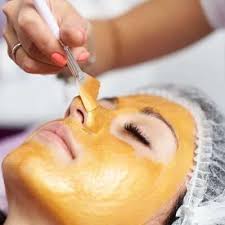
What Is an Organic Peel?
An organic peel is a type of exfoliating skin treatment that may use naturally derived ingredients to help remove or loosen accumulated dead skin cells from the skin's surface. Depending on the formulation, ingredients may include fruit acids such as lactic, citric, or malic acid, plant enzymes, botanical extracts, or other naturally sourced exfoliating compounds.
The term “organic peel” does not describe one standardized treatment. Different products and professional treatments can vary considerably in their ingredients, concentration, acidity, application time, and intended use.
The primary goal is usually to improve the appearance and texture of the skin by encouraging surface exfoliation. With the removal of excess dead cells, the complexion may appear fresher, smoother, and more radiant.
Some people choose an organic peel for concerns such as dullness, rough texture, uneven-looking skin tone, or mild congestion. However, results depend on the individual and the specific formulation used.
A professional assessment can be particularly useful because not every peel is appropriate for every skin type.
Step 1: Skin Assessment and Consultation
The first step of an organic peel treatment is usually an assessment of the skin. This stage is important because the skin's current condition can influence whether a peel is appropriate and how it should be performed.
The treatment provider may consider factors such as:
- Skin type and sensitivity
- Dryness or dehydration
- Uneven skin tone
- Rough or dull texture
- Existing blemishes or congestion
- Current skincare products
- Recent exfoliation or cosmetic treatments
- History of reactions to skincare ingredients
The individual may also be asked about products containing exfoliating acids, retinoids, benzoyl peroxide, or other active ingredients. Certain products may need to be paused before treatment to reduce the possibility of excessive irritation.
If the skin is already irritated, sunburned, broken, or experiencing an active inflammatory condition, postponing the treatment may be advisable.
This consultation is not simply a formality. It helps determine whether an organic peel is suitable and what level of exfoliation may be appropriate.
Step 2: Preparing the Skin
Once the skin has been assessed, the next step is preparation. The face is generally cleansed to remove makeup, oil, sunscreen, dirt, and other surface impurities.
A clean surface allows the peel solution to come into contact with the skin more evenly.
Depending on the treatment protocol, the skin may then be dried and prepared with a suitable solution. Some professional treatments may also use protective measures around sensitive areas such as the eyes, nostrils, or corners of the mouth.
Preparation can have a major effect on comfort and consistency. Applying an exfoliating solution over makeup, heavy oils, or other residue may interfere with the treatment.
At-home users should follow the exact instructions provided with the product rather than assuming that a longer application will produce better results.
Step 3: Applying the Organic Peel
The actual peel application is the central stage of the treatment. The selected formulation is carefully applied to the intended areas, generally using a controlled amount.
The sensation can vary depending on the ingredients and concentration. Some individuals may experience mild tingling, warmth, or a temporary feeling of tightness. A stronger burning sensation, significant pain, or intense discomfort should not be treated as a normal sign that the peel is “working better.”
The application time also varies. Some peels are designed to remain on the skin for only a short period, while others may follow a different protocol.
One important point is that stronger does not necessarily mean better. Excessive exfoliation can compromise the skin barrier and result in redness, dryness, irritation, or increased sensitivity.
For that reason, professional treatments should be performed according to the product's recommended protocol, while home users should never exceed the manufacturer's directions.
Step 4: Removing or Neutralizing the Peel
After the appropriate amount of time, the peel is removed or neutralized according to its formulation.
Not every peel follows the same removal process. Some products may be rinsed with water, while others require a specific neutralizing solution or professional procedure.
This step is important because leaving an exfoliating product on the skin longer than recommended can increase irritation without necessarily improving results.
After removal, the skin may appear slightly flushed or feel temporarily tight. Mild short-term sensitivity can occur, particularly when the skin is not accustomed to exfoliation.
The skin should be handled gently at this stage. Scrubbing, rubbing, or using additional exfoliating products immediately afterward can create unnecessary irritation.
Step 5: Soothing and Hydrating the Skin
Once the peel has been removed, the focus shifts from exfoliation to recovery.
A gentle moisturizer or soothing skincare product may be applied to help support the skin barrier. Depending on the treatment, a hydrating product may also help reduce feelings of dryness or tightness.
This is not the time to introduce a collection of new active ingredients. The skin may be more sensitive following exfoliation, so a simple routine is often preferable.
A basic post-treatment routine may include:
- Gentle cleansing
- A fragrance-free or suitable moisturizer
- Adequate hydration
- Broad-spectrum sunscreen during daytime
- Avoidance of unnecessary exfoliation
The exact aftercare instructions should depend on the peel used and the individual's skin response.
Step 6: Protecting the Skin After an Organic Peel
Aftercare is one of the most important parts of an organic peel treatment. Freshly exfoliated skin can be more vulnerable to environmental irritation, especially from sunlight.
Daily sunscreen is therefore particularly important. A broad-spectrum sunscreen can help protect the skin from ultraviolet exposure, which can contribute to pigmentation and premature skin aging.
For a few days after treatment, it may also be helpful to avoid unnecessary exposure to intense sunlight, excessive heat, and harsh skincare products.
Depending on the strength of the peel, temporary dryness or mild peeling may occur. If the skin begins to flake, it should generally be allowed to shed naturally. Picking or peeling the skin manually can increase irritation and potentially contribute to discoloration or scarring.
People should also be cautious about immediately returning to strong exfoliating products. Products containing retinoids, exfoliating acids, or other potent actives may need to be paused temporarily depending on the treatment.
Potential Benefits of an Organic Peel
When appropriately selected and used, an organic peel may provide several cosmetic benefits.
Brighter-Looking Skin
Removing accumulated dead skin cells can help the complexion look fresher and more radiant. This is one of the most common reasons people consider an organic peel.
Smoother Texture
Surface exfoliation can help reduce the appearance of roughness and make the skin feel softer and smoother.
More Even-Looking Skin Tone
Regular, appropriate exfoliation may improve the appearance of uneven tone caused by surface buildup and other mild discoloration concerns. However, deeper pigmentation may require a more comprehensive skincare approach.
Fresher Appearance
By improving surface texture and removing dull-looking cells, a peel can give the skin a refreshed appearance.
Better Product Application
Smoother skin can make skincare and makeup application feel more even. However, this does not mean that a peel is necessary before every major event. The timing of exfoliation should always account for the possibility of temporary redness or sensitivity.
Who Should Be Careful With an Organic Peel?
Although many people tolerate gentle exfoliation well, an organic peel is not suitable for everyone at every time.
Extra caution may be needed when the skin has an active rash, open wounds, severe irritation, sunburn, or significant sensitivity. People using prescription or strong topical skincare products should also discuss their routine before undergoing a peel.
A history of reactions to particular botanical ingredients or acids should be disclosed during the consultation.
It is also important to understand that natural ingredients can still irritate the skin. “Organic,” “natural,” or “plant-based” does not automatically mean hypoallergenic or risk-free.
Anyone considering a peel for a specific skin concern should focus on the formulation, concentration, suitability, and professional guidance rather than relying only on the product's natural label.
How Often Can an Organic Peel Be Used?
There is no universal schedule for organic peels. The appropriate frequency depends on the type and strength of the peel, skin sensitivity, and the individual's goals.
A very mild exfoliating product may be used more frequently than a professional-strength peel, but even gentle products can cause irritation if overused.
The skin needs time to maintain and restore its protective barrier. Repeatedly exfoliating skin that is already dry, red, or sensitive can make the problem worse.
Instead of focusing on how often a peel can be performed, it is more useful to consider how the skin responds. Persistent redness, burning, excessive dryness, or sensitivity may indicate that the skin needs a break.
Organic Peel Aftercare: What to Avoid
Good aftercare can help minimize unnecessary irritation and support a smoother recovery.
For a short period after a peel, individuals may be advised to avoid:
- Scrubs and abrasive exfoliators
- Strong exfoliating acids
- Retinoid products unless specifically advised otherwise
- Picking or peeling flaky skin
- Excessive sun exposure
- Very hot water
- Aggressive facial treatments
- Introducing several new skincare products at once
A gentle skincare routine is generally easier for the skin to tolerate while it recovers.
If unusual swelling, severe burning, blistering, significant pain, or another concerning reaction develops, professional medical advice should be sought rather than attempting to manage the reaction with additional skincare products.
Final Thoughts
An Organic Peel can be a useful exfoliation option for people seeking a brighter-looking complexion, smoother texture, and a fresher appearance. However, the results depend on much more than the word “organic.” The ingredients, concentration, application method, skin condition, and aftercare all matter.
The process typically begins with a skin assessment, followed by cleansing and preparation, controlled peel application, appropriate removal or neutralization, and soothing aftercare. Sun protection and gentle skincare afterward are equally important.
Most importantly, a peel should not be viewed as a treatment where stronger automatically means better. A carefully selected approach that respects the skin barrier is generally more sensible than aggressive exfoliation.
With realistic expectations and appropriate guidance, an organic peel can become part of a thoughtful skincare routine rather than a one-time attempt to achieve instant results.
Frequently Asked Questions
1. What does an organic peel do to the skin?
An organic peel helps exfoliate the outermost layer of dead skin cells. Depending on its ingredients and strength, it may leave the skin looking brighter, smoother, and more refreshed.
2. Is an organic peel suitable for sensitive skin?
Some mild formulations may be suitable for sensitive skin, but not every organic peel is gentle. Sensitive skin can react to acids, enzymes, fragrances, and botanical ingredients, so a skin assessment and appropriate product selection are important.
3. Can an organic peel help with uneven skin tone?
It may improve the appearance of mild uneven tone by removing surface buildup and promoting a smoother-looking complexion. Persistent or deeper pigmentation may require a different or more comprehensive approach.
4. How long does it take for the skin to recover after an organic peel?
Recovery varies according to the peel's strength and the individual's skin. A mild peel may cause little to no visible downtime, while a stronger treatment can result in temporary dryness, redness, or peeling.
5. Can someone use active skincare products after an organic peel?
Strong active products such as exfoliating acids and retinoids may be irritating immediately after a peel. The appropriate time to restart them depends on the treatment and the condition of the skin, so following the specific aftercare instructions is recommended.
6. Is an organic peel safe to do at home?
Some mild, properly formulated products are intended for home use, but they should always be used exactly as directed. Professional-strength peels should not be improvised or applied for longer than recommended because excessive exfoliation can damage the skin barrier.
Read More About Organic Peel: https://pastelink.net/9q8o6rrg