Planning a pregnancy involves thoughtful decisions about nutrition, lifestyle, medications, and existing health conditions. For people using medicines such as Ozempic (semaglutide), pregnancy planning becomes especially important because the medication is not intended for use during pregnancy and requires advance planning before conception.
For individuals searching for Ozempic Injection in Muscat, understanding how semaglutide relates to fertility, pregnancy, diabetes management, and medication safety can help support better conversations with a qualified healthcare professional. Ozempic is a prescription medicine primarily used to improve blood sugar control in adults with type 2 diabetes, alongside diet and exercise. It may also be prescribed as part of a broader treatment strategy when appropriate.
The most important point for anyone considering pregnancy is that Ozempic should not simply be stopped or continued without professional guidance. The official prescribing information advises women to discontinue Ozempic at least two months before a planned pregnancy because semaglutide has a long washout period.
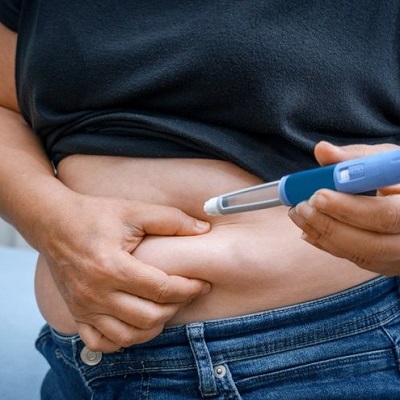
What Is Ozempic Injection and Why Is It Used?
Ozempic contains semaglutide, a medicine belonging to a group called GLP-1 receptor agonists. It works by helping the body regulate blood glucose and can also influence appetite and food intake. For people with type 2 diabetes, improved blood sugar management can be an important part of reducing the risk of diabetes-related complications.
Ozempic is generally administered once weekly under the skin. The dosage is usually introduced gradually, allowing the body time to adjust. The current prescribing information lists nausea, vomiting, diarrhea, abdominal pain, and constipation among the most common adverse reactions.
Although Ozempic has become widely discussed in connection with weight management, it is important to distinguish its approved uses from other semaglutide-based treatments. A healthcare professional can determine whether Ozempic is appropriate based on a person's medical history, diabetes status, current medications, and treatment objectives.
For someone considering Ozempic Injection in Muscat, pregnancy intentions should be included in the initial medical consultation. This information can influence whether treatment is appropriate and what alternatives may be considered.
Can Ozempic Be Used During Pregnancy?
Ozempic is not recommended for routine use during pregnancy. The safety of semaglutide for an unborn baby has not been established, so people who are pregnant or planning pregnancy should discuss treatment with a healthcare professional.
The FDA-approved prescribing information specifically recommends discontinuing Ozempic in women at least two months before a planned pregnancy. The reason is related to semaglutide's long elimination period, meaning the medicine can remain in the body for an extended time after the last dose.
This recommendation is particularly important for individuals who are actively trying to conceive. Pregnancy planning should ideally begin before medication changes are made. A healthcare professional can review the person's blood glucose levels, current treatment, nutritional needs, and other medical factors to develop an appropriate transition plan.
The decision is not simply about stopping Ozempic. For someone taking the medicine to manage type 2 diabetes, maintaining appropriate blood glucose control remains important before and during pregnancy. Poorly controlled diabetes can itself create significant risks for both the pregnant person and the developing baby.
Why Should Ozempic Be Stopped Two Months Before Pregnancy?
One of the most common questions about Ozempic and pregnancy planning is why the recommended waiting period is two months.
Semaglutide has a relatively long half-life, which means it does not leave the body immediately after the final injection. The prescribing information therefore recommends stopping Ozempic at least two months before a planned pregnancy to allow for an adequate washout period.
For example, if a person hopes to begin trying for pregnancy in July, medication planning should not be left until July. A healthcare professional may recommend making the necessary treatment changes well in advance so that the two-month period is respected.
This does not mean that every person will have the same pregnancy-planning timeline. Diabetes control, other medications, fertility considerations, and overall health can influence the plan.
People should also avoid changing their dose, skipping injections, or stopping treatment without medical advice. An individualized approach can help reduce the possibility of uncontrolled blood sugar during the transition.
What Should Someone Do If Pregnancy Happens While Taking Ozempic?
Sometimes pregnancy occurs unexpectedly. In that situation, panic is not helpful, but prompt communication with a healthcare professional is important.
A person who discovers that they are pregnant while using Ozempic should contact their healthcare professional and explain when the medication was last taken. The healthcare professional can assess the situation and determine the most appropriate next steps.
The available prescribing information states that there are limited human data regarding semaglutide exposure during pregnancy. Animal studies have raised concerns about pregnancy and fetal development at certain exposures, but animal findings cannot automatically be translated into the same risk for humans.
Because pregnancy can also change diabetes treatment requirements, the healthcare team may recommend another approach to blood sugar management. The important point is that pregnancy should trigger a medication review rather than self-directed treatment changes.
Anyone looking into Ozempic Injection in Muscat should therefore mention current or possible pregnancy during the consultation, even if pregnancy is only being considered for the future.
How Does Pregnancy Planning Affect Diabetes Management?
For someone with type 2 diabetes, pregnancy planning involves more than stopping a particular medication. Blood glucose management should remain a priority before conception.
A healthcare professional may review:
- Current blood glucose control
- Existing diabetes medications
- Blood pressure and cardiovascular health
- Kidney function
- Diabetes-related eye complications
- Nutrition and physical activity
- Folic acid and other pregnancy-related nutritional needs
- Other prescription and non-prescription medicines
- The timing of medication changes
This preparation can help create a safer transition from one treatment strategy to another.
Ozempic can also affect gastrointestinal function and may cause nausea, vomiting, diarrhea, abdominal discomfort, or constipation. These effects can be especially relevant when someone is preparing for pregnancy because adequate nutrition and hydration are important.
The goal of pregnancy planning is therefore not simply to discontinue Ozempic. The broader objective is to ensure that the person's underlying health condition remains appropriately managed while preparing for conception.
Important Safety Questions to Discuss Before Choosing Ozempic Injection in Muscat
Anyone considering Ozempic should provide a complete medical history before treatment begins. Certain conditions can affect whether the medication is appropriate.
For example, the prescribing information lists a personal or family history of medullary thyroid carcinoma and multiple endocrine neoplasia syndrome type 2 as contraindications. Serious hypersensitivity to semaglutide or its ingredients is another contraindication.
Other health concerns should also be discussed, including previous pancreatic problems, diabetic retinopathy, severe gastrointestinal problems such as gastroparesis, kidney issues, and planned procedures involving anesthesia or deep sedation.
Ozempic has also been associated with complications such as pancreatitis, gallbladder disease, kidney injury related to dehydration, and serious gastrointestinal reactions.
These risks do not mean that Ozempic is unsuitable for everyone. Rather, they demonstrate why treatment should be individualized and medically supervised.
For those searching for Ozempic Injection in Muscat, choosing treatment based solely on online information or another person's experience may not provide enough information to determine whether the medication is appropriate. A qualified healthcare professional can consider the complete clinical picture.
A Practical Pregnancy-Planning Checklist
People taking Ozempic who are considering pregnancy can start with a simple checklist.
1. Discuss pregnancy plans early. Pregnancy intentions should be mentioned before treatment begins or as soon as plans change.
2. Ask about the two-month washout period. The current prescribing information recommends discontinuing Ozempic at least two months before a planned pregnancy.
3. Review diabetes treatment. If Ozempic is being used for type 2 diabetes, an alternative blood glucose management strategy may be needed.
4. Review all medications. Prescription drugs, over-the-counter medicines, supplements, and herbal products should be discussed because some may also require adjustment before pregnancy.
5. Monitor blood glucose appropriately. Maintaining healthy glucose control is an important part of preconception care.
6. Do not make medication changes independently. Stopping treatment without a replacement plan can create avoidable health problems, particularly when Ozempic is being used for diabetes management.
7. Seek advice promptly after an unexpected pregnancy. Anyone who becomes pregnant while taking Ozempic should contact a healthcare professional for individualized guidance.
Frequently Asked Questions
1. How long before pregnancy should Ozempic be stopped?
The current FDA prescribing information recommends that women discontinue Ozempic at least two months before a planned pregnancy because semaglutide has a long washout period.
2. Can someone take Ozempic while trying to conceive?
Ozempic is not intended to be used during pregnancy, and pregnancy planning should include a discussion about discontinuing the medication in advance. The recommended washout period is at least two months before a planned pregnancy. A healthcare professional can also recommend an appropriate alternative treatment if Ozempic is being used for diabetes control.
3. What happens if someone becomes pregnant while using Ozempic?
The person should contact a healthcare professional as soon as possible and provide information about their recent Ozempic doses. The healthcare professional can assess the situation and determine whether another approach to diabetes management is needed.
4. Does Ozempic affect fertility?
Ozempic is not approved as a fertility treatment. Changes in weight, blood glucose control, and overall metabolic health may influence reproductive health, but individual fertility concerns should be evaluated separately. Anyone experiencing difficulty conceiving should discuss the situation with an appropriate healthcare professional rather than assuming Ozempic is responsible.
5. Can Ozempic be used while breastfeeding?
The available prescribing information states that there are no adequate data on the presence of semaglutide in human milk or its effects on a breastfed infant or milk production. Semaglutide has been detected in the milk of lactating rats, although the significance for humans is uncertain. A healthcare professional should therefore be consulted about treatment during breastfeeding.
6. Is Ozempic suitable for everyone with diabetes who is planning pregnancy?
No. Treatment decisions depend on the individual's diabetes type, blood glucose control, medical history, other medicines, pregnancy plans, and overall health. Someone planning pregnancy should have the treatment plan reviewed rather than assuming that a medication suitable before pregnancy will remain appropriate during pregnancy.
Final Thoughts
Pregnancy planning can change the way certain medications are managed, and Ozempic is an important example. Because semaglutide remains in the body for an extended period, the official prescribing information recommends discontinuing Ozempic at least two months before a planned pregnancy.
For people considering Ozempic Injection in Muscat, the safest approach is to view treatment as part of a broader healthcare plan. Pregnancy intentions, diabetes management, existing medical conditions, other medications, and nutritional needs should all be considered together.
Most importantly, Ozempic should not be started, stopped, or replaced without appropriate medical guidance. A well-planned transition can help maintain good health while preparing for pregnancy and can give individuals greater confidence about the next stage of their care.
Read More About Ozempic Injection: https://writer.zohopublic.com/writer/published/w0wkq7633711242cf4a33834b6bdcadbd7660