Dry, dehydrated skin can affect people of different ages and skin types. It may appear dull, rough, tight, or tired, even when a regular skincare routine is followed. Moisturisers, hydrating serums, and drinking enough water can help maintain skin hydration, but sometimes these measures may not provide the refreshed, supple appearance a person wants. This is why injectable skin hydration treatments have become increasingly popular in modern aesthetic skincare.
Skin Booster Injections in Oman are one option for individuals looking to improve skin hydration, texture, and overall radiance. These treatments are designed to deliver hydrating ingredients, commonly hyaluronic acid, into the skin to support moisture retention and improve its appearance. But do they genuinely work for dry and dehydrated skin? Understanding how skin boosters work, their potential benefits, limitations, and suitability can help individuals make informed decisions.
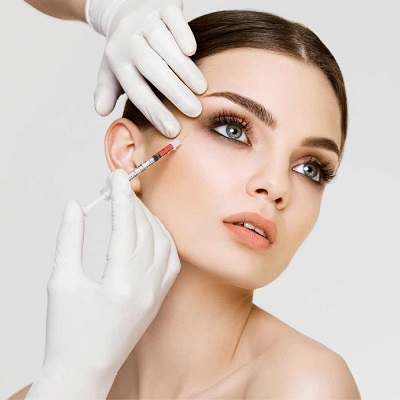
1. What Are Skin Booster Injections?
Skin booster injections are minimally invasive aesthetic treatments designed to improve skin quality from within. Unlike traditional dermal fillers, which are primarily used to restore volume, enhance facial contours, or add definition, skin boosters generally focus on hydration, smoothness, and skin texture.
Many skin booster formulations contain hyaluronic acid, a naturally occurring substance found in the body. Hyaluronic acid has the ability to attract and retain water, making it an important component of skin hydration.
As the skin ages, natural hyaluronic acid levels and other components that support skin structure can change. Environmental exposure, sun damage, lifestyle habits, and natural ageing may also contribute to dryness and reduced skin elasticity.
Skin boosters aim to improve the skin's moisture balance by introducing hydrating ingredients into the superficial layers of the skin. Depending on the formulation, they may also contain other ingredients intended to support skin quality.
These injections are commonly considered for areas such as:
- Face, particularly the cheeks and forehead.
- Neck, where fine lines and dryness may become noticeable.
- Décolletage, which can show signs of sun exposure.
- Hands, where skin may appear dry or crepey.
The exact treatment area depends on individual concerns, the product being used, and a qualified practitioner's assessment.
2. How Do Skin Booster Injections Help Dry and Dehydrated Skin?
Skin dehydration occurs when the skin does not retain enough moisture. It can affect almost anyone, regardless of whether their natural skin type is oily, combination, or dry.
Dehydrated skin may feel tight after cleansing, develop temporary fine lines, or appear less radiant than usual. Dry skin, on the other hand, generally refers to a skin type that produces less natural oil. Both conditions can occur together.
Skin booster injections may help address some visible signs of dehydration through the hydrating properties of their ingredients.
Supporting moisture retention
Hyaluronic acid attracts and binds water, helping the skin maintain a hydrated appearance. When delivered through an injectable formulation, it can provide hydration within the targeted skin layers.
Improving skin texture
Well-hydrated skin often looks smoother and feels softer. By supporting moisture levels, skin boosters may help reduce the appearance of roughness and superficial dehydration-related lines.
Enhancing natural radiance
Dehydration can make the complexion appear dull. Improved hydration may help create a fresher, more luminous appearance without dramatically changing natural facial features.
Supporting skin elasticity
Some people notice that dehydrated skin appears less supple. Certain skin booster formulations may improve the appearance of skin elasticity and firmness, although outcomes vary depending on the product, treatment area, and individual skin condition.
It is important to understand that skin boosters do not permanently correct the underlying causes of dryness. A consistent skincare routine and appropriate sun protection remain important for maintaining healthy-looking skin.
3. What Are the Main Benefits of Skin Booster Treatments?
Skin boosters are increasingly considered by individuals who want subtle improvements in skin quality rather than significant changes in facial shape or volume.
Some potential benefits include:
Deep skin hydration
One of the main reasons people consider skin boosters is their ability to support skin hydration. Hyaluronic acid-based formulations can help attract moisture and improve the appearance of dehydrated skin.
Smoother-looking skin
Improved hydration may soften the appearance of fine dehydration lines and uneven skin texture. This can make the complexion look more refreshed.
A healthier-looking glow
When skin is adequately hydrated, it may appear brighter and more supple. Skin boosters may help improve overall radiance, particularly when dullness is associated with dehydration.
Subtle improvements in skin quality
Unlike treatments designed to create fuller lips or more defined cheeks, skin boosters generally aim to improve the skin's overall appearance while maintaining natural facial proportions.
Treatment versatility
Depending on the product and clinical assessment, skin boosters may be used on several areas, including the face, neck, hands, and décolletage.
Minimal downtime for many people
The treatment is usually performed without surgery, and many individuals can return to their usual activities relatively quickly. However, temporary redness, swelling, tenderness, and small injection-site marks can occur.
Results are not identical for everyone. The formulation, injection technique, skin condition, and aftercare can all influence the outcome.
4. What Happens During a Skin Booster Injection Procedure?
Understanding the treatment process can help individuals feel more comfortable before considering an appointment.
Initial skin assessment
The process generally begins with an assessment of the skin and the individual's concerns. A qualified healthcare professional reviews skin condition, medical history, allergies, previous aesthetic treatments, and treatment expectations.
This assessment helps determine whether skin boosters are appropriate or whether another approach may be more suitable.
Preparation of the treatment area
The targeted area is cleansed before treatment. A topical numbing cream may be applied when appropriate to improve comfort during the procedure.
Administration of injections
The selected formulation is introduced into the intended skin layer using a fine needle or an appropriate injection technique. The number of injections and the amount of product depend on the treatment area and individual requirements.
Aftercare guidance
Following treatment, the practitioner provides instructions about skincare, physical activity, sun exposure, and other precautions. These recommendations should be followed carefully to support recovery.
The procedure itself is generally relatively short, although the overall appointment may take longer because of consultation and preparation.
5. How Long Does It Take to See Results, and How Long Do They Last?
One common question about skin boosters is how quickly the skin begins to look hydrated.
Some individuals notice an improvement in skin appearance relatively soon after treatment, while others experience gradual changes over the following days or weeks. The timeline depends on the product, injection technique, and individual response.
A treatment plan may involve an initial series of sessions rather than a single appointment. The number and spacing of sessions should be determined by the qualified practitioner according to the formulation being used and the individual's skin condition.
Results are temporary. Their duration varies depending on factors such as:
- The type and concentration of the product.
- The treatment area.
- Individual skin characteristics.
- Age and natural skin ageing.
- Sun exposure and lifestyle habits.
- Skincare routine and ongoing maintenance.
Maintenance sessions may be discussed if an individual wishes to preserve the results. However, repeat treatments should only be considered after an appropriate professional assessment.
Skin boosters should not be viewed as a permanent solution for dehydration or ageing. Regular moisturising, gentle cleansing, adequate sun protection, and healthy lifestyle habits continue to play an important role in skin maintenance.
6. Are Skin Booster Injections Safe, and Who Is a Suitable Candidate?
Skin booster injections are minimally invasive, but they are still medical aesthetic procedures. They involve injecting a substance into the skin and therefore carry potential risks.
Common temporary side effects may include:
- Redness around the injection sites.
- Mild swelling.
- Tenderness or discomfort.
- Bruising.
- Small bumps or unevenness at the injection points.
- Temporary itching or sensitivity.
These effects generally improve over time, but their duration varies.
Less common complications can include infection, inflammatory reactions, persistent lumps, and allergic reactions. Rare but serious complications associated with injectable hyaluronic acid products can include accidental injection into a blood vessel, which may cause tissue damage and, in extremely rare cases, visual complications.
For this reason, treatment should only be performed by an appropriately qualified and trained healthcare professional who understands facial anatomy, uses suitable products, and can recognise and manage complications.
Who may be suitable?
Skin boosters may be considered by adults who:
- Experience visible skin dehydration.
- Have dull or rough-looking skin.
- Want to improve the appearance of fine dehydration lines.
- Prefer subtle skin-quality improvements.
- Have realistic expectations about temporary results.
However, the treatment may not be appropriate for everyone. Individuals with active skin infections, inflammation in the intended treatment area, certain allergies, or particular medical conditions may need to avoid or postpone treatment.
Pregnant or breastfeeding individuals should discuss treatment suitability with a qualified healthcare professional, as elective injectable treatments are generally approached cautiously in these circumstances.
A professional assessment is essential before proceeding. It also helps establish whether the concern is caused by dehydration, an underlying skin condition, or another issue that may require different treatment.
7. How Can Individuals Maintain Their Results After Skin Booster Injections?
Although skin boosters may improve skin hydration and texture, maintaining the results requires ongoing skincare and healthy habits.
A few simple practices can help support the skin after treatment.
Use a suitable moisturiser: A moisturiser containing ingredients such as hyaluronic acid, glycerin, or ceramides can help maintain the skin's moisture barrier.
Apply sunscreen daily: Sun exposure can contribute to premature ageing, dryness, and changes in skin texture. Using broad-spectrum SPF 30 or higher helps protect the skin from harmful ultraviolet rays.
Avoid harsh skincare products: Strong exfoliants, irritating cleansers, and excessive use of active ingredients may compromise the skin barrier. Gentle skincare products are generally preferable, especially during the initial recovery period.
Stay hydrated: Drinking sufficient water supports normal bodily functions. However, drinking additional water alone will not necessarily resolve persistent skin dryness.
Follow professional aftercare instructions: The practitioner may recommend temporarily avoiding intense exercise, excessive heat, direct sun exposure, or certain skincare products. Following these instructions can help reduce irritation and support recovery.
A balanced approach combining professional treatment with consistent daily skincare can help maintain a healthier-looking complexion.
Frequently Asked Questions (FAQs)
1. Do skin booster injections really work for dry and dehydrated skin?
Yes, hyaluronic acid-based skin boosters may help improve skin hydration by attracting and retaining moisture within the treated skin layers. They can also improve the appearance of skin texture, radiance, and fine dehydration lines. However, results vary between individuals, and the treatment does not replace regular moisturising or appropriate skincare.
2. How many skin booster sessions are needed for noticeable results?
The number of sessions depends on the individual's skin condition, treatment goals, and the specific formulation being used. Some treatment plans involve an initial series of sessions followed by maintenance treatments. A qualified practitioner can recommend an appropriate schedule after assessing the skin.
3. Are skin booster injections painful?
Most people experience mild discomfort rather than significant pain. Fine needles are generally used, and a topical numbing cream may be applied when appropriate. Temporary tenderness, redness, and swelling can occur after the procedure.
4. Can skin boosters help with fine lines and wrinkles?
Skin boosters may soften the appearance of fine lines associated with dehydration by improving skin moisture and smoothness. However, they are not designed to treat deep wrinkles or replace treatments specifically intended for significant volume loss or facial ageing.
5. How long do skin booster results last?
Results are temporary and vary according to the product, treatment area, individual skin characteristics, and lifestyle. Some people may maintain improvements for several months, while others may experience a shorter duration. A qualified practitioner can explain the expected longevity of the selected formulation.
6. Are skin booster injections suitable for all skin types?
Skin boosters may be suitable for different skin types, including dry, combination, and some oily skin types. However, suitability depends on skin condition, medical history, allergies, and individual treatment requirements. People with active skin infections or certain medical conditions may need to avoid treatment or seek additional medical advice.
Final Thoughts
Skin booster injections can be a helpful option for individuals experiencing dry, dehydrated, or dull-looking skin. By delivering hydrating ingredients such as hyaluronic acid into targeted skin layers, these treatments may improve moisture retention, smoothness, and overall radiance.
Their main advantage is their focus on improving skin quality rather than dramatically changing facial features. This makes them an option for individuals who prefer subtle aesthetic improvements and a naturally refreshed appearance.
However, skin boosters are not a permanent solution for dry skin, and their results depend on several factors, including the formulation, treatment technique, and individual skin characteristics. They also carry potential risks, making professional assessment and appropriate treatment delivery essential.
Combining a suitable treatment plan with gentle skincare, daily sun protection, and consistent moisturising can help support long-term skin health. Anyone considering injectable skin hydration should seek advice from a qualified healthcare professional to determine whether the treatment is appropriate for their needs.
Read More About Skin Booster Injections: https://enfieldclinicpman.bloggersdelight.dk/2026/11/16/do-skin-booster-injections-hurt-heres-what-to-expect/