For many people, losing weight is not simply about changing the number on a weighing scale. Weight can be influenced by eating habits, physical activity, sleep, stress, genetics, hormones, medications, age, and several underlying health factors. Because of this, a weight loss journey can look different for every individual.
For beginners, understanding the available approaches is an important first step. Weight loss treatment may include lifestyle changes, nutritional guidance, exercise, behavioral support, prescription medicines when appropriate, or medical procedures for people who meet specific criteria. The most suitable approach depends on a person's health, weight-related risks, goals, and medical history.
People searching for Weight Loss Treatment in Muscat can benefit from learning what treatment generally involves, what results may realistically be expected, and why professional assessment can make the process safer and more sustainable.
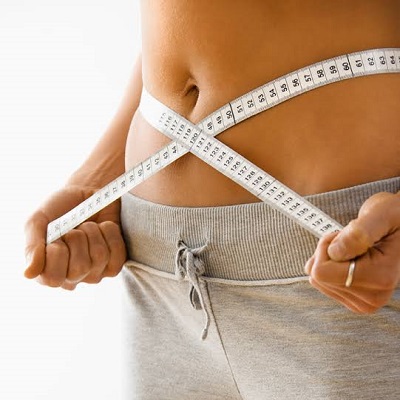
What Is Weight Loss Treatment?
Weight loss treatment refers to structured methods designed to help an individual achieve and maintain a healthier body weight. It is broader than following a temporary diet or exercising intensely for a few weeks.
A comprehensive approach usually begins by understanding the person's current health and lifestyle. A healthcare professional may consider body weight, body mass index (BMI), waist measurements, eating patterns, physical activity, sleep, medical conditions, medications, and previous attempts at weight loss.
The purpose is not necessarily to achieve a particular appearance. Healthy weight management can help reduce the risk of conditions associated with excess body weight, including type 2 diabetes, high blood pressure, cardiovascular disease, sleep-related breathing problems, and joint strain.
Treatment plans can range from lifestyle-based approaches for people with modest weight-loss goals to medically supervised interventions for individuals with obesity or weight-related health complications.
The key point for beginners is that weight loss treatment should be individualized rather than based on a one-size-fits-all formula.
Why Losing Weight Can Be Difficult
A common misconception is that weight loss is simply a matter of eating less and exercising more. While calorie intake and physical activity are important, the body's weight-regulation systems are considerably more complicated.
When a person loses weight, the body can respond by increasing hunger signals and reducing energy expenditure. This can make continued weight loss harder and may contribute to weight regain. Hormonal changes, sleep deprivation, chronic stress, emotional eating, and certain medications can also affect appetite and metabolism.
Medical conditions may sometimes contribute to difficulties with weight management as well. For example, thyroid disorders, hormonal conditions, and insulin-related problems may need to be assessed when symptoms or medical history suggest an underlying issue.
This is why repeated unsuccessful attempts at dieting do not necessarily indicate a lack of willpower. A more structured approach can help identify barriers and create realistic strategies for overcoming them.
Common Approaches to Weight Loss Treatment
There is no single treatment that works equally well for everyone. Depending on individual circumstances, a weight management plan may combine several approaches.
Nutrition and Dietary Changes
Nutrition is often one of the foundations of a weight management plan. Instead of relying on highly restrictive diets, a sustainable plan generally focuses on balanced meals, appropriate portions, adequate protein and fiber, and nutrient-rich foods.
A practical dietary approach may include vegetables, fruits, whole grains, lean protein sources, healthy fats, and suitable portions of carbohydrates. Highly processed foods and sugary beverages may be reduced depending on the person's dietary pattern and health goals.
The goal is to create eating habits that can realistically continue over the long term.
Physical Activity
Exercise can support weight loss while also improving cardiovascular fitness, muscle strength, mood, and metabolic health.
A treatment plan may combine activities such as walking, cycling, swimming, resistance training, or other enjoyable forms of movement. Beginners do not necessarily need to start with intense workouts. Building activity gradually can make a routine easier to maintain.
Strength training can be particularly useful because preserving muscle mass is important during weight loss.
Behavioral and Lifestyle Support
Successful weight management involves more than food and exercise. Behavioral strategies can help individuals recognize habits that may contribute to overeating or inactivity.
Useful techniques may include keeping a food or activity journal, planning meals, improving sleep routines, managing stress, setting realistic goals, and identifying situations that trigger emotional eating.
Small, consistent changes often have a greater long-term impact than extreme short-term restrictions.
Prescription Weight Loss Medication
For some individuals, lifestyle changes alone may not provide sufficient results. In selected cases, a healthcare professional may consider prescription weight loss medication.
These medicines can work in different ways. Some may influence appetite, feelings of fullness, or the body's handling of food. They are generally considered alongside lifestyle changes rather than as a replacement for healthy eating and physical activity.
Medication is not suitable for everyone. Potential benefits, side effects, interactions, medical history, and long-term treatment considerations should be reviewed by a qualified healthcare professional.
Medical Procedures
Certain individuals with obesity, particularly those with significant weight-related health problems, may be candidates for medical or surgical weight-loss procedures.
These interventions can produce substantial weight loss in appropriately selected patients, but they are not quick cosmetic solutions. Candidates generally require careful assessment and long-term nutritional and lifestyle support.
The decision should be based on medical factors, expected benefits, potential risks, and the individual's ability to follow long-term recommendations.
What Beginners Should Expect From Weight Loss Treatment
Anyone starting a weight loss program should have realistic expectations. Healthy weight loss is usually gradual rather than dramatic.
The rate of progress can differ according to starting weight, age, activity level, dietary habits, medical conditions, treatment type, and adherence to the plan. Weight may also fluctuate from week to week because of changes in hydration, food intake, hormones, and other factors.
A good treatment plan therefore looks beyond the scale.
Improvements in energy, mobility, fitness, blood pressure, blood sugar, sleep, and waist circumference can also indicate progress. Someone may experience health benefits even before reaching a particular target weight.
It is also important to understand that maintaining weight loss is part of treatment. Once a person reaches a healthier weight, continuing supportive eating habits, physical activity, and appropriate follow-up can help reduce the likelihood of regaining weight.
How to Choose a Suitable Weight Loss Approach
Someone considering Weight Loss Treatment in Muscat should focus on the quality and suitability of the treatment rather than choosing an approach simply because it promises rapid results.
A responsible treatment process generally begins with an assessment. Depending on the person's circumstances, this may include a review of medical history, current medications, lifestyle habits, weight history, and relevant health measurements.
Individuals should also be cautious about treatments that promise effortless or extremely rapid weight loss. Claims involving guaranteed results, "instant" fat removal, or weight loss without lifestyle changes may not reflect realistic expectations.
A suitable program should explain how the treatment works, who may benefit from it, possible risks or side effects, expected follow-up, and what happens after the initial weight-loss phase.
Long-term sustainability should remain one of the main priorities.
Tips for Getting Started With Weight Management
Beginners can make the process easier by focusing on a few manageable habits instead of attempting to change everything at once.
A person may begin by:
- Setting a realistic and measurable goal.
- Choosing balanced meals instead of following extreme diets.
- Increasing daily movement gradually.
- Including strength-based exercise when appropriate.
- Drinking enough water according to individual needs.
- Establishing a consistent sleep schedule.
- Limiting frequent intake of highly processed foods and sugary drinks.
- Tracking progress without becoming overly focused on daily scale changes.
- Seeking professional guidance when weight loss is difficult or medical concerns are present.
Consistency is usually more valuable than perfection. Missing one workout or having an occasional high-calorie meal does not mean that the entire weight-loss plan has failed. Returning to healthy habits at the next opportunity can help maintain momentum.
FAQs About Weight Loss Treatment
1. Is weight loss treatment suitable for everyone?
Weight management strategies can be useful for many people, but the appropriate approach varies. Some individuals may benefit from lifestyle changes alone, while others may require medical supervision, medication, or additional interventions. A professional assessment can help determine the most appropriate option.
2. How quickly can someone lose weight with treatment?
Results vary considerably from one person to another. The rate of weight loss can depend on the person's starting weight, health, diet, physical activity, treatment method, and other factors. Sustainable weight loss is generally more important than achieving rapid results.
3. Can weight loss treatment work without exercise?
Some people may lose weight through dietary changes alone, but physical activity offers important benefits beyond calorie expenditure. Exercise can support cardiovascular health, muscle strength, mobility, mood, and long-term weight maintenance.
4. Are weight loss medications safe?
Prescription weight loss medicines can be appropriate for certain individuals when used under suitable medical supervision. However, they can have side effects, contraindications, and medication interactions. A qualified healthcare professional should determine whether a particular medicine is appropriate.
5. Can lost weight come back after treatment?
Yes. Weight regain can occur because weight regulation involves biological, behavioral, and environmental factors. Long-term lifestyle habits and appropriate follow-up can help support weight maintenance after the initial weight-loss phase.
6. What should someone consider before starting Weight Loss Treatment in Muscat?
A person should consider their health history, weight-related goals, existing medical conditions, medications, lifestyle, expected results, treatment risks, and long-term maintenance plan. Choosing an evidence-based approach with appropriate professional guidance can make the process safer and more sustainable.
Final Thoughts
Starting a weight loss journey can feel overwhelming, particularly for someone who has tried several approaches before. The good news is that modern weight management focuses increasingly on personalized care rather than temporary dieting.
Weight Loss Treatment in Muscat can involve a combination of nutrition, physical activity, behavioral strategies, medical treatment, or other appropriate interventions depending on individual needs. The most effective approach is one that considers the person's overall health and can realistically be maintained over time.
For beginners, the best first step is often to replace unrealistic expectations with practical goals. Sustainable progress does not require perfection. With the right plan, consistent habits, and appropriate professional guidance, weight management can become a long-term part of a healthier lifestyle.
Read More About Weight Loss Treatment: https://writer.zohopublic.com/writer/published/vawox179eebac112e489487ff9fe66e0cdbee