Skin cancer screening is an important part of maintaining healthy skin, particularly for people who spend significant time outdoors or have a personal or family history of skin cancer. During a screening, a dermatologist carefully examines the skin for unusual spots, changes, or growths that could require further evaluation. The process is generally straightforward and can help identify suspicious lesions at an earlier stage.
People searching for Dermatologists in Muscat may wonder what actually happens during a skin cancer screening and what a specialist looks for. Understanding the process can make the appointment feel more comfortable and help individuals recognize why routine skin checks can be valuable.
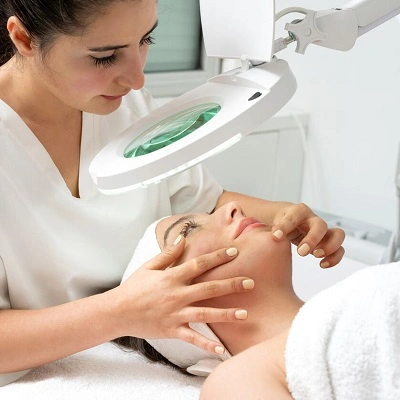
A skin cancer screening is not simply a quick look at an obvious mole. Dermatologists assess the skin systematically, paying attention to the size, shape, color, texture, and evolution of spots. They may also use specialized equipment to examine areas that are difficult to assess with the naked eye.
Why Skin Cancer Screening Matters
Skin cancer can develop on many different parts of the body, including areas that receive regular sun exposure and areas that are usually covered. Some types of skin cancer may initially appear as a small or seemingly harmless mark, which is why professional examination can be useful.
Regular screening allows a dermatologist to establish a baseline for the patient's skin. If a particular mole or spot changes over time, comparison with previous examinations can make those changes easier to identify.
People with certain risk factors may benefit from paying particular attention to their skin. These factors can include having fair skin, frequent or prolonged sun exposure, a history of sunburn, numerous moles, atypical-looking moles, previous skin cancer, or a family history of the disease.
However, skin cancer can affect people with different skin types and backgrounds. A screening should therefore be considered based on an individual's overall risk rather than relying only on appearance or complexion.
For individuals considering Dermatologists in Muscat, discussing personal risk factors with a qualified dermatologist can help determine whether routine professional skin examinations are appropriate.
What a Dermatologist Checks During a Skin Examination
A skin cancer screening usually involves a visual examination of the skin from head to toe. Depending on the patient's concerns and medical history, the dermatologist may examine the scalp, face, neck, chest, back, arms, hands, legs, feet, and other areas.
The specialist looks for characteristics that distinguish ordinary skin marks from lesions that may require closer attention.
Changes in Moles and Pigmented Spots
Moles are common, and most are harmless. However, changes in an existing mole can sometimes be a reason for further investigation.
Dermatologists commonly consider the ABCDE approach when assessing suspicious pigmented lesions:
- A – Asymmetry: One half of a spot may look different from the other half.
- B – Border: An irregular, uneven, blurred, or poorly defined border may attract attention.
- C – Color: A lesion containing several colors or uneven pigmentation may require closer examination.
- D – Diameter: Larger lesions can be more concerning, although small skin cancers can also occur.
- E – Evolution: A mole or spot that changes in size, shape, color, elevation, or symptoms deserves professional assessment.
The ABCDE method is a useful awareness tool, but it does not diagnose skin cancer. Dermatologists consider the overall appearance and clinical history before deciding whether additional testing is necessary.
New or Unusual Growths
A dermatologist also looks for new growths, persistent sores, scaly patches, crusted areas, or lesions that do not appear typical for the surrounding skin.
Some skin cancers may resemble a sore that repeatedly heals and returns. Others can appear as shiny, scaly, rough, reddish, or pigmented areas. Because skin cancers can look different from one person to another, professional evaluation is important when a lesion seems unusual or persistent.
Texture and Surface Changes
The surface of a lesion can provide additional information. Dermatologists may examine whether a spot is smooth, rough, scaly, crusted, raised, bleeding, or ulcerated.
A change in texture does not automatically mean that a lesion is cancerous. Many harmless skin conditions can produce similar changes. The purpose of the examination is to determine whether a particular feature warrants monitoring or further investigation.
How Dermoscopy Helps Dermatologists Examine the Skin
During some screenings, a dermatologist may use a handheld instrument called a dermatoscope. This device provides magnification and specialized illumination, allowing the clinician to see structures and pigment patterns that may not be visible during an ordinary visual examination.
Dermoscopy can be particularly useful when a mole or pigmented lesion has features that are difficult to assess with the naked eye. It can help a dermatologist decide whether a spot appears benign, should be monitored, or needs additional evaluation.
The procedure is generally non-invasive. The device is placed against or close to the skin, depending on the equipment being used.
For people looking for Dermatologists in Muscat, asking whether dermoscopy is used as part of a skin examination can be a useful question when arranging a screening.
When a Skin Lesion May Need Further Testing
Finding a suspicious-looking spot during a screening does not mean that a person has skin cancer. Dermatologists often encounter benign moles, cysts, scars, inflammatory conditions, and other harmless skin changes that can resemble more concerning lesions.
If a lesion appears suspicious, the dermatologist may recommend closer monitoring or a biopsy. A biopsy involves removing some or all of a small area of skin so that it can be examined under a microscope.
The type of biopsy recommended depends on the lesion and the clinical situation. Some lesions may be monitored over time, particularly when their features are not immediately concerning but their appearance needs to be documented.
When a biopsy is recommended, the dermatologist can explain why it is being considered, what the procedure involves, and what the patient can expect afterward.
What Patients Should Tell the Dermatologist
A skin cancer screening is more useful when the dermatologist has a clear understanding of the patient's history. Before the examination, patients may be asked about previous skin problems, unusual moles, family history, sun exposure, and any changes they have noticed.
Patients should mention spots that have recently changed, even if those areas do not look particularly concerning to them. Important changes can include:
- A mole becoming larger or changing shape
- A new or unusual color developing
- Persistent itching or tenderness
- Repeated bleeding or crusting
- A sore that does not heal normally
- A rough or scaly patch that persists
- A spot that looks noticeably different from other moles
It can also be helpful for patients to point out areas that are difficult to monitor themselves, such as the scalp, back, or the back of the legs.
People considering Dermatologists in Muscat for a skin concern should prepare a short list of questions and concerns before the appointment. This can make the consultation more productive and ensure that important symptoms are discussed.
What Happens After the Screening?
The next step depends on what the dermatologist finds. If the skin appears healthy and no suspicious lesions are identified, the dermatologist may simply recommend routine self-checks and appropriate sun protection.
If a mole or lesion appears unusual but does not immediately require removal, photographic documentation or follow-up monitoring may be recommended. Monitoring allows the dermatologist to look for changes over time.
If a lesion has characteristics that require additional investigation, a biopsy or other diagnostic procedure may be recommended.
The outcome of a screening therefore varies from person to person. A finding that looks unusual does not automatically indicate cancer. At the same time, a changing or persistent skin lesion should not be ignored simply because it appears small.
How People Can Support Healthy Skin Between Screenings
Professional examinations are only one part of skin health. Regular self-checks can help people become familiar with their own skin and notice changes sooner.
A self-examination can be performed in a well-lit room using mirrors where necessary. It is useful to check the front and back of the body, arms, legs, hands, feet, scalp, and other areas that may be overlooked.
Sun protection is also important. Practical measures include seeking shade when possible, wearing protective clothing, using sunscreen appropriately, and limiting unnecessary exposure to intense sunlight.
Sun protection does not eliminate the risk of skin cancer, but it can reduce exposure to ultraviolet radiation, which is an important risk factor for several types of skin cancer.
People should also avoid relying entirely on self-checks. A lesion that appears harmless may still need professional assessment if it changes, persists, or causes concern.
For those researching Dermatologists in Muscat, a professional skin assessment can provide an opportunity to discuss individual risk factors, suspicious spots, prevention strategies, and appropriate follow-up.
Frequently Asked Questions
1. How often should someone have a skin cancer screening?
There is no single screening schedule that applies to everyone. The appropriate frequency depends on factors such as personal history, family history, number and type of moles, previous skin cancer, and sun exposure. A dermatologist can recommend a screening schedule based on individual risk.
2. Does a skin cancer screening hurt?
A routine visual examination and dermoscopy are generally non-invasive and do not usually cause pain. If a biopsy is considered necessary, local anesthesia is typically used to reduce discomfort during the procedure.
3. Does every unusual mole mean skin cancer?
No. Many unusual-looking moles and skin lesions are benign. Dermatologists assess multiple characteristics before deciding whether a lesion needs monitoring or further testing.
4. What should someone do if a mole suddenly changes?
A changing mole should be evaluated by a qualified dermatologist, particularly if it changes in size, shape, color, elevation, or symptoms. Early professional assessment can help determine whether further investigation is appropriate.
5. Can skin cancer develop on areas that receive little sunlight?
Yes. Although ultraviolet radiation is an important risk factor for many skin cancers, lesions can occur on areas that receive limited sun exposure. This is one reason dermatologists may perform a comprehensive skin examination rather than checking only visibly sun-exposed areas.
6. Can a person perform a skin cancer screening at home?
People can regularly examine their own skin to look for new or changing spots, but self-checks do not replace professional evaluation. A dermatologist has specialized training and may use tools such as dermoscopy to assess lesions more closely.
Final Thoughts
A skin cancer screening is a careful assessment designed to identify skin changes that may need monitoring or further investigation. Dermatologists look beyond the presence of a mole, considering its shape, border, color, size, texture, location, and especially whether it has changed over time.
For people researching Dermatologists in Muscat, understanding what happens during a screening can make the process less intimidating and encourage timely professional care. Any new, changing, bleeding, persistent, or unusual skin lesion deserves attention rather than being dismissed.
Regular self-awareness, sensible sun protection, and professional dermatological assessment when appropriate can all play a role in maintaining healthy skin. When a dermatologist identifies a suspicious lesion, further evaluation can provide clarity and help determine the most appropriate next step.
Read More About Dermatologists in Muscat: https://writer.zohopublic.com/writer/published/um8zw2ea05576496f4e82981b977ca67dc084