Liposuction is often associated with removing unwanted fat and creating a slimmer body shape. However, the final contour after surgery is influenced by much more than the amount of fat removed. Skin quality, body structure, fat distribution, surgical technique, healing, lifestyle, and even a person's expectations can all affect the appearance of the result.
For people researching Liposuction Surgery in Oman, understanding these factors can make the consultation process much more productive. Liposuction is primarily a body-contouring procedure rather than a general weight-loss treatment. It is designed to reduce localized fat deposits that may remain despite healthy eating and regular physical activity.
A well-planned procedure aims to create a balanced contour that suits the individual's natural proportions. Because every body responds differently, two people undergoing treatment in similar areas may still have noticeably different outcomes.
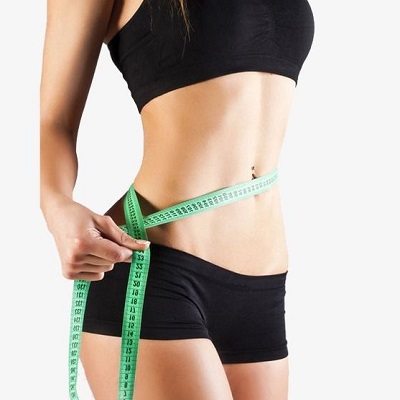
1. Skin Elasticity Plays a Major Role
One of the most important factors influencing the shape after liposuction is skin elasticity. Once fat is removed from beneath the skin, the skin needs to adapt to the newly reduced volume.
People with firm, elastic skin generally have a better ability for the skin to contract and follow the new body contours. On the other hand, skin that has lost elasticity may not tighten sufficiently after fat removal. This can result in looseness, folds, rippling, or an uneven appearance.
Age can influence skin firmness, but it is not the only consideration. Previous weight fluctuations, pregnancy, sun exposure, genetics, stretch marks, and the natural thickness of the skin can also affect elasticity.
This is particularly important when considering areas such as the abdomen, thighs, and upper arms, where loose skin may already be present.
Liposuction itself does not remove excess skin. If a person has significant skin laxity, a healthcare professional may discuss whether another body-contouring approach could be more appropriate. Recent guidance from the American Society of Plastic Surgeons also emphasizes that skin quality should be assessed before deciding whether liposuction alone is suitable.
2. The Amount and Distribution of Fat Matter
The amount of fat present in a particular area can influence the resulting contour. Liposuction removes selected fat deposits, allowing the treated region to appear more defined and proportionate.
However, more fat removal does not automatically mean a better result. Removing excessive amounts or creating an imbalance between neighboring areas can potentially produce an unnatural contour or visible irregularities. Modern body contouring therefore focuses on proportion rather than simply removing as much fat as possible.
For example, treating the abdomen without considering the waist, flanks, or surrounding areas may create a less balanced appearance. Similarly, reducing fat from the thighs requires attention to the body's natural shape and the relationship between the treated and untreated regions.
The goal is generally to create a smoother transition between areas rather than an artificially sharp change.
3. Natural Body Proportions Influence the Final Shape
Every individual has a different skeletal structure, muscle distribution, waist-to-hip ratio, and natural body shape. Liposuction cannot completely change these underlying characteristics.
A person's bone structure may determine how narrow the waist can realistically appear, while muscle development can influence the overall contour of an area. The natural distribution of fat also differs between individuals.
For this reason, the shape shown in another person's before-and-after photographs should not be considered a guaranteed outcome for someone else.
A responsible consultation for Liposuction Surgery in Oman should involve assessing the individual's anatomy and discussing what type of contour is realistically achievable. Before-and-after photographs can be useful for understanding possible changes, but they should be viewed as examples rather than promises.
4. The Surgical Technique and Treatment Plan Can Affect Contouring
The technique used during liposuction can influence how evenly fat is removed and how the treated area ultimately looks. Liposuction generally involves inserting a thin tube called a cannula through small incisions to remove targeted fat deposits. Different techniques may be selected according to the treatment area, the individual's anatomy, the amount of fat involved, and the overall treatment plan.
The planning process is particularly important because the surgeon needs to consider the entire contour rather than treating each fat deposit as an isolated problem.
Uneven fat removal can contribute to contour irregularities such as bumps, waves, or depressions. These irregularities can sometimes be related to uneven removal, skin elasticity, scarring, or the body's healing response.
This is why appropriate assessment and careful treatment planning are important when choosing liposuction.
5. Swelling Can Temporarily Change the Shape
One of the most common reasons people become concerned about their appearance immediately after liposuction is postoperative swelling.
The body naturally responds to surgery with inflammation and fluid retention. Bruising and swelling can make the treated area appear larger, uneven, or different from the expected final contour during the early recovery period.
This means the shape seen shortly after surgery should not be considered the final result.
Swelling generally decreases over time, but the exact recovery period varies depending on the treatment area, amount of fat removed, individual healing response, and overall health. Final contour changes may continue developing for weeks or months.
Compression garments are also commonly recommended after liposuction to help manage swelling during recovery. The exact duration and instructions should be determined by the treating healthcare professional.
6. Recovery Habits Can Influence the Outcome
The body's healing process is another important part of the final result. Following postoperative instructions can help support a smoother recovery.
Patients may be advised to limit strenuous activity initially, gradually increase movement, attend follow-up appointments, and use compression garments as instructed. Walking and normal light movement may be encouraged during recovery, while more intense exercise is usually resumed according to individual medical guidance.
Lifestyle also matters after healing. Liposuction permanently removes fat cells from the treated area, but the remaining fat cells can still enlarge if a person gains weight. As a result, maintaining a relatively stable weight can help preserve the improved body contour.
Liposuction should therefore be viewed as part of a broader approach to body contouring rather than a replacement for regular physical activity and balanced nutrition.
7. Expectations and Realistic Goals Matter
Perhaps one of the most overlooked influences on satisfaction is the person's expectations.
Liposuction can improve the contour of specific areas, but it does not guarantee a perfectly flat stomach, eliminate all cellulite, remove stretch marks, or transform the entire body. It is also not considered a treatment for obesity or a substitute for weight-management strategies.
A realistic goal might be a reduction in a stubborn localized fat deposit and an improvement in overall body proportion.
For someone considering Liposuction Surgery in Oman, a consultation is an opportunity to discuss the desired outcome, existing skin laxity, areas that may benefit from treatment, recovery expectations, and potential limitations.
Understanding these details before surgery can help prevent disappointment and encourage more realistic expectations.
What Should Patients Consider Before Liposuction Surgery in Oman?
Anyone considering liposuction should begin with a qualified medical assessment rather than choosing a procedure based solely on photographs or online advertisements.
The consultation may include a review of medical history, current medications, previous surgeries, weight stability, skin quality, and the areas the person wants to treat. Certain health conditions can increase surgical risks, so complete and accurate medical information is important.
It is also useful to ask how the expected contour will be assessed, how long recovery may take, what complications are possible, and when the final result is likely to become visible.
Liposuction is a surgical procedure, so complications are possible. Potential risks include bleeding, infection, fluid accumulation, numbness, contour irregularities, and complications related to anesthesia. Larger treatment areas or combining multiple procedures can increase certain risks.
A careful evaluation can help determine whether liposuction is appropriate and whether additional body-contouring procedures may need to be considered.
How Long Do Liposuction Results Last?
Liposuction results can be long-lasting when a person maintains a relatively stable weight. The fat cells removed during the procedure do not simply grow back in the same way, but the remaining fat cells can increase in size with weight gain. Natural aging can also gradually affect skin firmness and body shape.
For this reason, long-term results are influenced by everyday habits after recovery.
A balanced diet, regular physical activity, weight management, and appropriate follow-up can all contribute to maintaining the new contour.
It is also important to remember that the final result does not appear immediately. Early swelling and bruising can obscure the changes, and the body needs time to settle into its new contours.
Frequently Asked Questions
1. Does liposuction completely change a person's body shape?
Liposuction can improve the contour of selected areas by reducing localized fat deposits, but it does not change the underlying bone structure or completely redesign the body. The final shape depends on factors such as anatomy, skin elasticity, fat distribution, and healing.
2. Why does the stomach sometimes look uneven after liposuction?
Temporary unevenness can occur because of swelling, fluid retention, bruising, and the normal healing process. In some cases, persistent contour irregularities can be related to uneven fat removal, skin quality, or scarring. A healthcare professional should assess any persistent or concerning changes.
3. Can loose skin become tighter after liposuction?
Some skin may naturally contract after fat removal, particularly when it has good elasticity. However, liposuction does not directly remove loose skin. People with significant skin laxity may require a different or additional body-contouring approach.
4. How soon can the final liposuction shape be seen?
The final appearance develops gradually. Swelling and fluid retention can make the treated area look different during the early recovery period. The contour typically becomes clearer as swelling decreases, with further changes occurring over the following weeks or months.
5. Can weight gain affect liposuction results?
Yes. Liposuction reduces the number of fat cells in treated areas, but remaining fat cells can still enlarge with weight gain. Significant weight changes can therefore alter the overall body contour after surgery.
6. Is liposuction a weight-loss procedure?
No. Liposuction is primarily a body-contouring procedure designed to address localized fat deposits. It is not considered an alternative to healthy weight management or a treatment for obesity.
Final Thoughts
The shape achieved after liposuction depends on a combination of factors rather than fat removal alone. Skin elasticity, fat distribution, natural proportions, treatment planning, surgical technique, swelling, healing, lifestyle, and realistic expectations can all contribute to the final contour.
For individuals researching Liposuction Surgery in Oman, understanding these factors can make the decision-making process clearer. A thorough consultation with an appropriately qualified healthcare professional can help determine whether liposuction is suitable, what results may realistically be expected, and whether another treatment approach could provide a more appropriate contour.
Most importantly, liposuction should be approached as a personalized surgical procedure rather than a one-size-fits-all solution. The aim is generally to create an improved and balanced body contour while taking the individual's anatomy, safety, and long-term expectations into account.
Read More About Liposuction Surgery: https://writer.zohopublic.com/writer/published/wgypz1800374b3d3e49888d4a853dc5a93dad