Ageing is a natural process that gradually affects the appearance of the face. Over time, the skin loses elasticity, collagen production decreases, and the muscles and tissues supporting the eyebrows may become weaker. These changes can cause the eyebrows to move downward, forehead wrinkles to become more noticeable, and the upper face to develop a tired or aged appearance. While these changes are a normal part of getting older, some individuals consider cosmetic surgery to restore a fresher and more youthful look.
One common question among people exploring facial rejuvenation is when the right time is to consider a brow lift. Individuals researching Brow Lift in Muscat often want to understand whether there is an ideal age for the procedure and how to determine if they are suitable candidates. The truth is that there is no universal age requirement for brow lift surgery. The decision depends more on facial anatomy, skin condition, eyebrow position, overall health, and personal aesthetic goals than on a specific number.
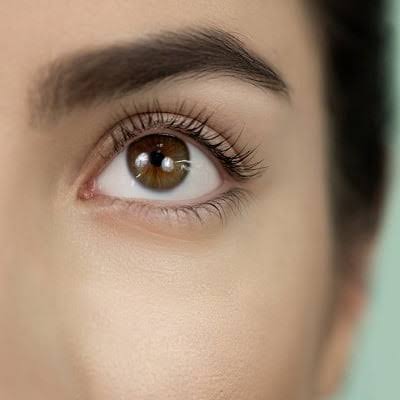
1. Understanding Brow Lift Surgery and Its Purpose
A brow lift, also known as a forehead lift, is a cosmetic surgical procedure designed to elevate the eyebrows and improve the appearance of the upper face. It addresses concerns such as drooping eyebrows, forehead wrinkles, and prominent lines between the eyebrows.
As the body ages, the skin gradually loses collagen and elastin, which are responsible for maintaining firmness and flexibility. The tissues supporting the eyebrows may also weaken, allowing the brows to descend over time. This can create a heavy appearance around the eyes and make an individual look tired, stressed, or older than they feel.
A brow lift works by repositioning the underlying forehead tissues and elevating the eyebrows to a more balanced position. Depending on the individual's needs, excess skin may also be removed to improve the overall contour of the forehead.
The main objectives of brow lift surgery include:
- Raising eyebrows that have gradually moved downward.
- Reducing the appearance of horizontal forehead lines.
- Softening vertical frown lines between the eyebrows.
- Improving the appearance of a tired or worried facial expression.
- Creating better balance between the eyebrows and upper eyelids.
- Achieving a more refreshed and youthful facial appearance.
The procedure does not aim to create an entirely different facial appearance. Instead, it focuses on improving existing features while maintaining natural facial expressions.
2. What Is the Best Age to Consider a Brow Lift?
There is no single age that is considered perfect for brow lift surgery. Some individuals begin noticing eyebrow drooping in their late thirties or early forties, while others may not experience significant changes until their fifties or sixties.
The most appropriate time for surgery depends on the extent of ageing changes and whether these changes are affecting the individual's appearance or comfort.
Brow Lift in the 30s
Some individuals in their thirties may begin noticing early forehead lines, naturally low eyebrows, or mild skin laxity. Genetics can play an important role in these changes, meaning that certain people may develop concerns earlier than others.
However, surgery is not usually necessary for mild expression lines or minor changes. Non-surgical treatments may be considered when the primary concern involves dynamic wrinkles rather than significant tissue descent.
A brow lift may be discussed in selected cases where eyebrow position is naturally low or there is a clear anatomical concern.
Brow Lift in the 40s
The forties are a common period when early signs of facial ageing become more noticeable. Reduced skin elasticity, forehead wrinkles, and gradual eyebrow descent may contribute to a tired-looking expression.
Individuals in this age group may consider a brow lift when these changes become more pronounced and affect their desired facial appearance.
A professional assessment can help determine whether surgery would provide meaningful improvement or whether less invasive treatments are more appropriate.
Brow Lift in the 50s
During the fifties, the effects of ageing may become more visible around the forehead and eyes. The eyebrows may descend further, while excess skin around the upper eyelids can create a heavier appearance.
For suitable candidates, a brow lift may help elevate the eyebrows, smooth certain forehead lines, and restore a more refreshed facial expression.
Skin quality, general health, and the degree of tissue laxity are important considerations when planning surgery.
Brow Lift in the 60s and Beyond
Individuals in their sixties and older may also be suitable candidates for brow lift surgery. Chronological age alone does not determine whether someone can undergo the procedure safely.
Overall health, medical history, healing ability, and anaesthesia-related risks are more important factors. A detailed medical evaluation helps determine whether the expected benefits justify the potential risks.
Ultimately, the best age for a brow lift is the age at which an individual has suitable concerns, appropriate health, and realistic expectations.
3. Signs That Someone May Be Ready for a Brow Lift
Rather than focusing entirely on age, individuals can consider the physical changes affecting their forehead and eyebrow area. Certain signs may indicate that a brow lift could be worth discussing during a cosmetic consultation.
Persistent Eyebrow Drooping
One of the most noticeable signs is a gradual downward movement of the eyebrows. When the brows sit lower than their natural position, the upper face may appear heavy or less open.
This change can become more noticeable when the outer portions of the eyebrows begin to descend.
Deep Forehead Wrinkles
Horizontal forehead lines may become more prominent as skin elasticity decreases. Although these lines can also result from repeated facial expressions, deeper wrinkles may remain visible even when the forehead muscles are relaxed.
A brow lift can improve certain wrinkles by repositioning the forehead tissues, although it may not remove every line.
A Tired or Worried Appearance
Some individuals appear constantly tired, concerned, or unhappy because of the position of their eyebrows. This can happen even when they feel energetic and relaxed.
A brow lift may help create a more refreshed appearance by improving eyebrow positioning.
Heavy Upper Eyelid Appearance
Drooping eyebrows can contribute to excess skin gathering around the upper eyelids. In some individuals, this creates the impression that the eyes are smaller or less open.
A brow lift may improve the brow-related component of this concern. However, excess eyelid skin may require a separate evaluation to determine whether eyelid surgery is also appropriate.
Dissatisfaction With Facial Balance
The eyebrows play an important role in facial proportions and expressions. When they descend, the relationship between the forehead, eyebrows, and eyes can change.
Individuals who notice a persistent imbalance may explore brow rejuvenation options after receiving a professional assessment.
It is important to remember that similar symptoms can have different causes. An examination helps identify whether eyebrow descent, excess eyelid skin, muscle activity, or another factor is responsible.
4. Factors More Important Than Age When Considering Brow Lift Surgery
Although age can provide a general indication of facial ageing, several other factors are more important when determining surgical suitability.
Skin Elasticity and Quality
Skin quality affects how the forehead responds to surgical repositioning. Individuals with different levels of elasticity may require different surgical approaches.
A thorough assessment helps establish realistic expectations regarding skin tightening and the appearance of the final results.
Eyebrow Position and Facial Anatomy
Every individual has a naturally different eyebrow shape and position. Some people naturally have lower eyebrows, while others develop drooping gradually.
The surgeon evaluates eyebrow symmetry, forehead proportions, hairline position, and surrounding facial structures before recommending a technique.
Overall Health and Medical History
General health is a major consideration before elective surgery. Conditions that affect blood circulation, wound healing, or anaesthesia safety may influence whether a person is suitable.
Medications, allergies, smoking habits, and previous surgical procedures should also be discussed during the consultation.
Personal Expectations
A brow lift can improve certain signs of ageing, but it cannot completely prevent future changes or guarantee a particular appearance.
Individuals should understand the potential benefits and limitations before deciding to undergo surgery. Realistic expectations help support greater satisfaction with the outcome.
Lifestyle and Recovery Commitment
Recovery requires time, patience, and attention to medical instructions. Individuals should be prepared to take time away from demanding activities and attend follow-up appointments.
Smoking cessation, proper nutrition, and appropriate aftercare can also support the healing process.
5. Surgical and Non-Surgical Brow Rejuvenation Options
Not every individual with eyebrow drooping or forehead wrinkles needs surgery. The most appropriate treatment depends on the underlying cause, severity of the concern, and desired outcome.
Surgical Brow Lift
Surgical brow lift procedures reposition the forehead tissues and eyebrows to address more noticeable drooping. Different techniques are available, including endoscopic, coronal, hairline, and direct brow lifts.
The choice depends on eyebrow position, skin laxity, forehead anatomy, hairline characteristics, and the amount of correction required.
Surgical treatment generally provides longer-lasting structural improvement compared with temporary cosmetic treatments.
Botulinum Toxin Treatments
Botulinum toxin injections may help soften dynamic forehead wrinkles and frown lines by temporarily reducing muscle activity.
In selected individuals, carefully placed injections may also create a subtle eyebrow elevation. However, these treatments cannot correct significant skin laxity or substantial tissue descent.
Dermal Fillers
Dermal fillers may be considered in selected cases where volume loss contributes to an aged appearance around the forehead or temples.
They do not physically lift significantly drooping eyebrows, and their suitability depends on individual anatomy and treatment goals.
Skin Rejuvenation Treatments
Certain non-surgical skin treatments may improve skin texture and firmness. These can include energy-based treatments and other collagen-stimulating approaches.
Their effects are generally more limited than surgical repositioning when significant eyebrow descent is present.
A qualified professional can explain the differences between these options and recommend an appropriate treatment plan based on the individual's concerns.
6. What to Expect Before and After Brow Lift Surgery
Understanding the surgical journey helps individuals make informed decisions and prepare for recovery.
Before the Procedure
The process begins with a consultation and physical examination. The surgeon evaluates the forehead, eyebrows, eyelids, skin condition, and overall facial proportions.
Medical history and current medications are reviewed to identify possible risks. Patients may receive instructions about smoking cessation, medication adjustments, fasting, and other preparation requirements.
It is also important to discuss the expected eyebrow position, possible scarring, recovery time, and potential complications.
During the Procedure
A brow lift may be performed under general anaesthesia or local anaesthesia with sedation, depending on the surgical approach and individual circumstances.
The surgeon makes carefully planned incisions, adjusts the underlying tissues, and repositions the eyebrows. Excess skin may be removed when necessary, and the incisions are closed.
The duration of surgery varies according to the technique and complexity of the case.
After the Procedure
Some swelling, bruising, tightness, and discomfort around the forehead and eyes are common during the early recovery period.
Patients may be advised to keep their heads elevated, use cold compresses as directed, and avoid strenuous physical activities.
Initial recovery often takes around one to two weeks, although complete healing may take several weeks or longer.
The final appearance develops gradually as swelling decreases and the tissues settle into their new position.
Possible Risks and Complications
As with any surgical procedure, a brow lift carries potential risks, including:
- Bleeding and infection.
- Swelling and bruising.
- Temporary or persistent numbness.
- Visible scarring.
- Hair loss near incision sites.
- Changes in eyebrow symmetry.
- Temporary or persistent nerve-related changes.
- Unsatisfactory aesthetic results.
- Anaesthesia-related complications.
A careful medical assessment, appropriate surgical planning, and adherence to post-operative instructions can help reduce avoidable risks.
Frequently Asked Questions About the Best Age for a Brow Lift
1. Is 40 too young to consider a brow lift?
Not necessarily. Some individuals develop naturally low eyebrows or noticeable forehead ageing during their thirties and forties. However, surgery should only be considered when there is a suitable anatomical concern and the potential benefits outweigh the risks. Mild wrinkles may be better managed with non-surgical treatments.
2. Is 50 a good age for brow lift surgery?
The age of 50 can be suitable for individuals experiencing noticeable eyebrow drooping, forehead wrinkles, or changes in upper-face appearance. However, suitability depends on overall health, skin condition, facial anatomy, and personal expectations rather than age alone.
3. Can someone over 60 have a brow lift?
Yes, some individuals over 60 may be suitable candidates. General health, medical history, healing ability, and anaesthesia safety are more important than chronological age. A detailed medical evaluation is essential before proceeding.
4. Does a brow lift make someone look younger?
A brow lift can create a more refreshed and youthful appearance by elevating drooping eyebrows and improving certain forehead wrinkles. The degree of improvement varies depending on facial anatomy, skin condition, surgical technique, and individual healing.
5. Is a brow lift better than Botox for ageing eyebrows?
The two treatments address different concerns. Botulinum toxin may temporarily soften expression lines and provide subtle eyebrow elevation in selected cases. A surgical brow lift physically repositions the forehead tissues and is generally more appropriate for significant eyebrow descent. The best option depends on the individual's condition and treatment goals.
6. How long do brow lift results last?
Brow lift results are generally long-lasting and may remain noticeable for many years. However, the natural ageing process continues after surgery. Genetics, lifestyle, skin quality, and environmental exposure can influence how the forehead and eyebrows change over time.
Final Thoughts
There is no universally perfect age for considering a brow lift. While some individuals notice eyebrow drooping in their late thirties or forties, others may not develop significant concerns until their fifties or sixties. The most important factors are the individual's facial anatomy, skin condition, general health, and aesthetic expectations.
A brow lift may offer meaningful improvement for individuals experiencing sagging eyebrows, forehead wrinkles, and a tired-looking upper face. However, choosing the right treatment requires careful evaluation of the underlying concerns and consideration of both surgical and non-surgical options.
A professional consultation allows individuals to understand their suitability, explore available techniques, and learn about the expected benefits, recovery process, and possible risks. With realistic expectations and appropriate aftercare, brow lift surgery can help achieve a refreshed appearance while maintaining natural facial features.
Read More About Brow Lift in Muscat: https://pdplex.blog/does-a-brow-lift-leave-visible-scars/