Weight loss injections have become an increasingly discussed option for people managing overweight or obesity. However, medication alone is not generally intended to replace healthy eating, regular movement, or other sustainable lifestyle habits. Research and guidance from the National Institute of Diabetes and Digestive and Kidney Diseases (NIDDK) indicate that weight-management medications work best when combined with a lifestyle program that includes healthy eating and physical activity.
For people researching Weight Loss Injections in Oman, understanding the lifestyle side of treatment can be just as important as understanding the medication itself. Healthy routines may support weight management, improve overall wellbeing, and make it easier to maintain progress over time.
Lifestyle changes do not need to involve extreme dieting or exhausting exercise schedules. Instead, the most useful approach is usually one that fits comfortably into everyday life and can be maintained for the long term.
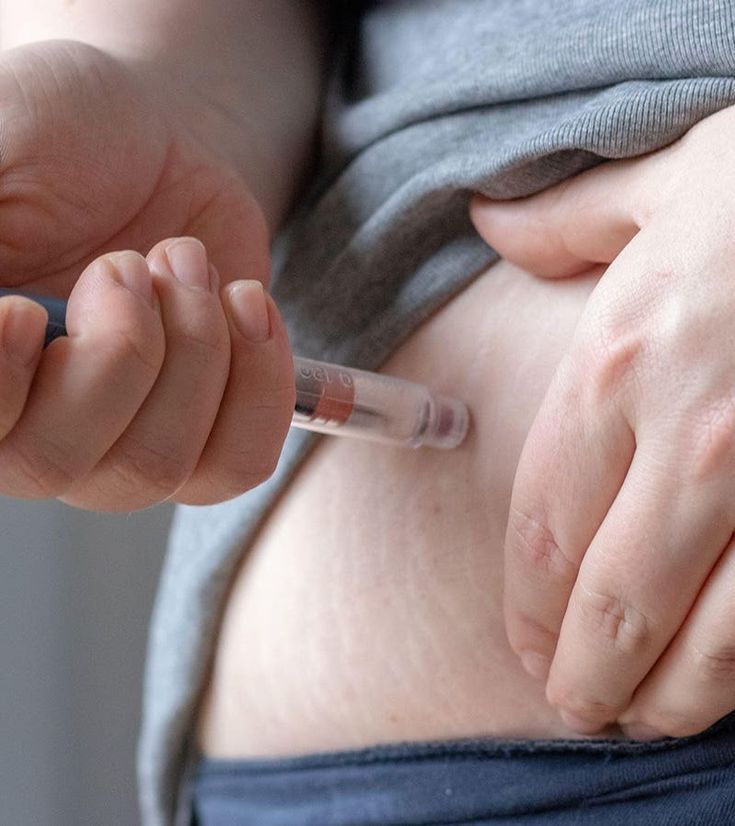
Why Lifestyle Changes Matter With Weight Loss Injections
Weight loss injections may work through different mechanisms depending on the medication. Some can influence appetite, feelings of fullness, or signals involved in food intake. Because of this, a person may find it easier to control portions or reduce frequent snacking while using an appropriate medication.
However, medication does not automatically create healthy eating or activity habits. NIDDK notes that prescription weight-management medications do not replace healthy eating and physical activity and are most effective when used alongside a lifestyle program.
Lifestyle habits can therefore become an important part of the overall treatment strategy. A balanced diet can provide essential nutrients, while physical activity can help support cardiovascular health, muscle strength, mobility, and weight maintenance.
The goal is not simply to see a lower number on the scale. A comprehensive approach focuses on developing habits that can continue even after the initial weight-loss phase.
For individuals considering Weight Loss Injections in Oman, this broader perspective can help set realistic expectations and encourage healthier long-term routines.
Build a Balanced and Sustainable Eating Pattern
Food choices are one of the most important lifestyle factors to consider during weight management. A sustainable eating pattern should provide enough nutrients without relying on extreme restriction.
NIDDK recommends an eating pattern that includes vegetables, whole fruits, whole grains, appropriate protein sources, dairy or suitable alternatives, and healthy oils. It also recommends limiting excessive amounts of added sugars, saturated fat, and sodium.
A practical approach may include:
- Filling a substantial portion of meals with vegetables
- Choosing whole fruits instead of relying heavily on juices
- Including protein-rich foods such as eggs, fish, poultry, beans, lentils, or nuts
- Selecting whole grains such as oats, brown rice, and whole-grain breads
- Choosing sensible portions of calorie-dense foods
- Limiting frequent sugary drinks and highly processed snacks
- Eating slowly and paying attention to hunger and fullness
Weight loss injections may reduce appetite for some people, so meal quality becomes particularly important. When appetite is lower, there can be a tendency to eat less overall. Nutrient-dense choices can help ensure that meals still provide valuable protein, vitamins, minerals, and other nutrients.
A healthy eating pattern also does not mean eliminating favorite foods completely. Occasional treats can fit into a balanced approach. Long-term consistency is generally more practical than rigid rules that are difficult to maintain.
Prioritize Protein and Nutrient-Dense Foods
Protein deserves particular attention during a weight-management journey. Foods containing protein can contribute to fullness while providing nutrients needed for normal body functions.
Useful protein sources may include eggs, fish, lean poultry, beans, lentils, yogurt, tofu, nuts, and seeds. The appropriate amount can vary depending on factors such as age, body size, activity level, medical conditions, and overall dietary needs.
Nutrient density also matters. When appetite is reduced, meals should ideally provide meaningful nutrition rather than using most of the available food intake on foods high in calories but low in essential nutrients.
Vegetables, fruits, whole grains, legumes, and minimally processed protein sources can form the foundation of many balanced meals.
People using Weight Loss Injections in Oman may benefit from discussing individual nutritional needs with a qualified healthcare professional or registered nutrition specialist, particularly when appetite changes significantly or there are existing health conditions.
The aim should be adequate nourishment rather than simply eating as little as possible.
Add Regular Physical Activity
Physical activity is another important part of weight management. It can support calorie expenditure, cardiovascular fitness, muscle strength, mobility, mood, and general health.
For generally healthy adults, NIDDK guidance recommends at least 150 minutes of moderate-intensity aerobic activity each week, along with muscle-strengthening activities on at least two days per week.
Moderate activities can include:
- Brisk walking
- Cycling
- Swimming
- Dancing
- Recreational sports
- Active household tasks
Someone who has been inactive does not necessarily need to begin with a full exercise routine immediately. Starting with shorter periods of movement and gradually increasing duration and intensity can make the habit easier to maintain.
Strength training is also valuable. Resistance exercises can help support muscle strength and physical function during a period of weight loss.
The appropriate exercise plan depends on an individual's health, fitness level, age, mobility, and medical history. Anyone with significant health concerns or limitations should discuss physical activity with a healthcare professional before beginning a new exercise program.
Importantly, exercise should not be viewed only as a tool for reducing body weight. Regular movement has health benefits even when the number on the scale changes slowly.
Improve Sleep and Manage Everyday Stress
Food and exercise often receive the most attention during weight management, but sleep and stress can also influence everyday habits.
Poor sleep may make it harder for some people to maintain healthy routines, while stress can contribute to emotional eating, irregular meals, or reduced motivation to exercise. NIDDK identifies sleep and other lifestyle factors among the issues that can affect weight management.
A consistent sleep schedule can be a useful starting point. A relaxing evening routine, reduced screen exposure before bedtime, and a comfortable sleeping environment may also help support better sleep habits.
Stress management does not have to involve complicated techniques. Depending on personal preference, useful options may include:
- Walking outdoors
- Gentle stretching
- Breathing exercises
- Reading
- Spending time with family or friends
- Practicing hobbies
- Taking short breaks during demanding days
These habits are not substitutes for medical treatment, but they can make a healthier lifestyle easier to maintain.
For someone receiving weight-management treatment, addressing stress and sleep can also help identify reasons behind habits such as late-night eating or frequent snacking.
Stay Hydrated and Pay Attention to Eating Habits
Adequate hydration is another simple habit that can support general health. Water is essential for normal body functions, and choosing water instead of frequently consuming sugar-sweetened beverages can reduce unnecessary calorie intake.
People using weight loss medication may experience changes in appetite or gastrointestinal symptoms depending on the medication. For that reason, paying attention to hydration and overall food intake can be particularly useful.
Eating habits can also be improved through simple environmental changes. Keeping nutritious foods readily available, planning meals in advance, and reducing the visibility of frequent snack foods can make healthier choices easier.
Mindful eating may also help. Eating without rushing and paying attention to fullness can encourage a more deliberate relationship with food.
NIDDK recommends setting specific goals and using tracking tools when helpful. Monitoring food intake, physical activity, or weight can help some people recognize patterns and identify areas that need adjustment.
However, tracking should remain practical rather than becoming a source of stress. A sustainable routine is more useful than a complicated system that quickly becomes overwhelming.
Create Habits That Can Continue Long Term
One of the biggest mistakes in weight management is treating lifestyle changes as temporary rules that end once a target weight is reached.
Weight maintenance often requires continued attention to eating habits and physical activity. NIDDK notes that maintaining weight loss can be challenging and recommends continuing healthy eating and regular physical activity as long-term habits.
This is why small, repeatable changes can be more valuable than dramatic short-term efforts.
For example, a person may begin with a daily walk, gradually introduce strength exercises, replace sugary drinks with water, add vegetables to meals, or establish a more consistent sleep schedule. Once these habits become routine, additional improvements can be introduced.
Setbacks are also normal. A few high-calorie meals, missed workouts, or periods of increased stress do not necessarily mean that the entire plan has failed. Returning to healthier routines after a setback is an important part of long-term behavior change.
For people considering Weight Loss Injections in Oman, the most appropriate lifestyle plan should be individualized. Medication selection and ongoing treatment decisions should be based on factors such as health history, current medications, possible side effects, and treatment goals.
A healthcare professional can also determine whether weight-management medication is appropriate in the first place and monitor progress during treatment.
What Should Be Discussed Before Starting Weight Loss Injections?
Weight loss injections are prescription treatments in many settings, and they are not suitable for everyone. Before starting treatment, a healthcare professional may consider a person's weight-related health risks, medical history, current medications, and potential contraindications.
It is also important to discuss pregnancy or plans for pregnancy because certain weight-management medications should not be used during pregnancy. Possible side effects and interactions with other medications should also be reviewed before treatment begins.
Lifestyle habits should be discussed as part of the same conversation. A healthcare professional can help establish realistic nutrition and activity goals based on the individual's circumstances.
The strongest approach is generally not about choosing between medication and lifestyle changes. Instead, appropriate medication may be incorporated into a broader weight-management plan that includes nutritious eating, physical activity, adequate recovery, and ongoing monitoring.
For anyone researching Weight Loss Injections in Oman, this combined approach can provide a more realistic framework for understanding what treatment involves.
FAQs About Lifestyle Changes and Weight Loss Injections
1. Can lifestyle changes improve the results of weight loss injections?
Lifestyle changes can support weight-management treatment. NIDDK states that prescription weight-management medications work best when combined with healthy eating and physical activity rather than being used as a replacement for those habits.
2. What should someone eat while using weight loss injections?
A balanced eating pattern can include vegetables, whole fruits, whole grains, protein-rich foods, and appropriate sources of healthy fats. Highly processed foods, excessive added sugars, and foods high in saturated fat can be limited as part of an overall healthy eating pattern. Individual nutritional needs may vary.
3. How much exercise is recommended during weight-loss treatment?
For generally healthy adults, guidance commonly recommends at least 150 minutes of moderate-intensity aerobic activity each week and muscle-strengthening activity on at least two days each week. People who are inactive can build up gradually, while those with medical conditions may need an individualized plan.
4. Is strength training useful while taking weight loss injections?
Strength training can be a useful part of a weight-management routine because it supports muscle strength and physical function. The appropriate exercises and intensity should depend on an individual's health, fitness level, and physical abilities.
5. Do sleep and stress affect weight management?
Sleep and stress can influence eating behavior, activity levels, and the ability to maintain healthy routines. Establishing consistent sleep habits and finding practical ways to manage stress can therefore complement a broader weight-management strategy.
6. Are weight loss injections enough without lifestyle changes?
Weight loss injections are generally not intended to replace healthy eating and physical activity. They are typically considered one part of a broader weight-management plan, and treatment should be guided by a qualified healthcare professional.
Read More About Weight Loss Injections:https://writer.zohopublic.com/writer/published/wgebec815ca426e944876b113299b05e05970