Modern aesthetic treatments increasingly focus on subtle body contouring rather than dramatic changes. Many people maintain a balanced diet and exercise regularly but still notice small pockets of fat that seem resistant to their efforts. These areas can affect the appearance of the chin, abdomen, arms, thighs, or other parts of the body.
For individuals looking for a minimally invasive approach to localized fat, Fat Melting Injections in Oman have become an option of interest. These treatments are designed to target specific fat deposits and may help improve the contour of selected areas without traditional surgery.
The growing interest in injectable fat reduction is partly related to convenience. Unlike surgical procedures, these treatments generally involve injections rather than incisions, and they can often be performed without the downtime associated with more invasive procedures. However, they are still medical treatments and should be approached with realistic expectations and appropriate professional guidance.
Understanding what these injections are, why people consider them, how they work, and what factors influence their results can help individuals make informed decisions.
What Are Fat Melting Injections?
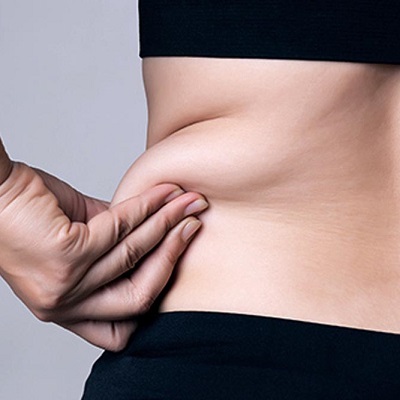
Fat melting injections, sometimes called fat-dissolving or injectable fat-reduction treatments, are designed to reduce localized fat deposits. Depending on the product, the active ingredient may disrupt the membranes of fat cells, allowing the body to gradually process and clear the affected cellular material.
One well-known substance used in certain injectable fat-reduction treatments is deoxycholic acid. It is naturally present in the body and plays a role in the digestion and absorption of dietary fat. When appropriately administered into a targeted area, it can damage fat cells.
The treatment is different from medications designed for general weight management. Fat melting injections are primarily intended for localized contouring, meaning they are generally considered when a person has a relatively small amount of stubborn fat in a particular area.
The exact products, approved treatment areas, and recommended uses can vary. Therefore, individuals considering Fat Melting Injections in Oman should confirm which product is being used and whether it is appropriate and authorized for the intended area.
Why Are Fat Melting Injections Becoming Popular?
One of the main reasons injectable fat reduction has attracted attention is its minimally invasive nature. People who are hesitant about surgical procedures may find injections appealing because they do not involve the incisions associated with liposuction or other surgical contouring techniques.
Several factors can contribute to the popularity of these treatments.
Targeted Treatment
Unlike general weight-loss approaches, injectable fat reduction can focus on a specific area. Someone may have a healthy overall body weight but still have a small pocket of fat beneath the chin or around another localized area.
The ability to focus treatment on a defined area makes the approach particularly interesting for people seeking subtle contour enhancement.
Limited Invasiveness
Fat melting injections use a series of small injections rather than surgical incisions. This can make them an attractive alternative for people who want to avoid surgery.
Nevertheless, minimally invasive does not mean completely risk-free. Swelling, bruising, tenderness, redness, numbness, and other temporary reactions can occur. Proper technique and appropriate patient selection remain important.
Gradual, Natural-Looking Changes
Some individuals prefer gradual aesthetic changes instead of an immediate and dramatic transformation. Because the body typically processes treated fat over time, the improvement may develop progressively.
This gradual process can allow the treated area to look more naturally refined as the changes occur.
Convenience
Depending on the treatment area and the product being used, injectable fat reduction may be performed as an outpatient cosmetic procedure. This can be convenient for individuals who have work, family, or other daily responsibilities.
However, the expected recovery period varies. Some people may experience noticeable swelling or tenderness for a period following treatment, so scheduling should take potential downtime into account.
Which Areas Can Fat Melting Injections Target?
The appropriate treatment area depends heavily on the specific injectable product and its approved indications. Some fat-dissolving injections are particularly associated with small areas of localized fat, such as the area beneath the chin.
Other body areas may sometimes be considered depending on the product, practitioner assessment, anatomy, and local regulatory requirements.
Potential areas discussed in connection with injectable fat reduction can include:
- Under the chin
- Jawline-related localized fullness
- Small abdominal fat deposits
- Flanks
- Upper arms
- Thighs
- Certain areas around the knees
Not every injectable is suitable for every body part. Areas containing important nerves, blood vessels, or other delicate structures require particular care.
An assessment is therefore more important than simply identifying an area with unwanted fullness. A practitioner needs to determine whether the fullness is actually caused by excess fat and whether an injectable treatment is likely to provide a worthwhile improvement.
How Does the Treatment Work?
The process typically starts with a consultation and physical assessment. The practitioner evaluates the amount and location of fat, skin elasticity, overall body proportions, medical history, and the individual's aesthetic goals.
If treatment is considered appropriate, the target area may be marked to help guide injection placement. The product is then administered through multiple small injections.
The mechanism depends on the active ingredient. With deoxycholic-acid-based treatments, for example, the substance can disrupt the cell membrane of targeted fat cells. The body then gradually processes and clears the resulting cellular debris.
This explains why results are not normally immediate.
Temporary inflammation is also part of the body's response to treatment. Swelling and tenderness can therefore occur during the early recovery period. Once the initial reaction settles and the body continues processing the treated cells, changes in contour may become more visible.
Some people may need multiple treatment sessions. The appropriate number depends on the treatment area, the amount of fat present, the product being used, and the individual's response.
What Results Can People Realistically Expect?
Expectations play a major role in satisfaction with any aesthetic treatment.
Fat melting injections are not designed to produce substantial weight loss. Instead, their purpose is generally to reduce localized fat and improve the contour of a particular area.
A suitable candidate may notice that a treated area gradually appears slimmer or more defined. However, the degree of improvement can differ considerably between individuals.
Several factors influence the outcome, including:
- Amount of localized fat
- Skin elasticity
- Treatment area
- Number of sessions
- Individual response
- Injection technique
- Weight stability
- The specific product used
Skin quality is especially important. If excess skin is the main reason an area looks loose or full, removing a small amount of fat may not provide the expected improvement. In some cases, another treatment approach may be more appropriate.
Stable weight can also support longer-term contour maintenance. Although appropriately treated fat cells may be permanently damaged or removed depending on the product, the remaining fat cells can still enlarge with weight gain.
Are Fat Melting Injections Safe?
Safety should remain a priority when considering Fat Melting Injections in Oman or any other injectable aesthetic treatment.
These procedures should be performed by appropriately qualified professionals using products suitable for the intended purpose. Individuals should be informed about the product being considered, how it is administered, expected side effects, possible complications, and alternatives.
Common temporary effects may include:
- Swelling
- Bruising
- Redness
- Tenderness
- Pain or stinging
- Numbness
- Firmness around the injection area
More serious complications are possible, particularly when injections are placed incorrectly or used in unsuitable areas. Certain treatment locations have important nerves and blood vessels nearby, making accurate anatomical knowledge essential.
A consultation should also include discussion of relevant medical conditions, allergies, medications, previous procedures, pregnancy or breastfeeding, and any factors that could affect treatment suitability.
Anyone experiencing unexpected or severe symptoms after treatment should seek appropriate medical attention rather than assuming that every reaction is part of normal recovery.
How Can Someone Decide Whether Fat Melting Injections Are Right for Them?
The best candidates are generally people who are near a stable, healthy weight and have a relatively small amount of localized fat that has not responded as desired to lifestyle measures.
A professional assessment can help distinguish between excess fat, loose skin, muscle structure, swelling, and other causes of fullness. This distinction matters because injectable fat reduction only addresses certain types of localized fat.
Individuals considering treatment can also ask practical questions during consultation, such as:
- What product will be used?
- Is it appropriate for the intended treatment area?
- What results are realistically achievable?
- How many sessions may be needed?
- What side effects are expected?
- How long might swelling or tenderness last?
- Are there alternative treatments?
- What precautions are recommended before and after treatment?
These questions can help set realistic expectations and encourage informed decision-making.
Ultimately, the popularity of fat melting injections comes from their ability to combine targeted contouring with a minimally invasive treatment approach. They may be particularly appealing to people who are not looking for major weight loss but want to address a specific pocket of fat.
However, popularity should never replace medical assessment. Every person's anatomy, skin quality, fat distribution, and treatment goals are different. A qualified professional can determine whether injectable fat reduction is appropriate and explain what type of improvement may reasonably be expected.
Frequently Asked Questions
1. What makes fat melting injections different from liposuction?
Fat melting injections are minimally invasive and involve injecting a fat-reducing substance into a targeted area. Liposuction is a surgical procedure that physically removes fat through a cannula. The two approaches differ in technique, expected results, recovery, risks, and suitability.
2. Are fat melting injections suitable for weight loss?
No. These injections are generally intended for localized fat reduction rather than overall weight loss. They may be considered for people who are already relatively close to their desired weight but have specific pockets of stubborn fat.
3. How quickly do fat melting injections show results?
Results usually develop gradually rather than immediately. Early swelling can temporarily make the treated area appear larger. As the swelling subsides and the body processes the treated fat, contour changes may become more apparent over the following weeks.
4. Can fat melting injections be used on every body area?
No. The suitability of an area depends on the particular product, its approved indications, anatomy, and professional assessment. Not all fat-dissolving injections are designed or authorized for use on every part of the body.
5. Do fat melting injections permanently remove treated fat?
Some products work by destroying fat cells, which the body can then gradually clear. However, weight gain can still affect the treated area because remaining fat cells can enlarge. Maintaining a stable weight can therefore help preserve contour improvements.
6. Are there side effects after fat melting injections?
Temporary swelling, bruising, redness, tenderness, pain, numbness, or firmness can occur. The severity and duration vary between individuals and treatment areas. A practitioner should explain expected reactions and warning signs before treatment.
Read More About Fat Melting Injections: <a href="https://writer.zohopublic.com/writer/published/wffu91d4b033ef9854e059670426442052060"<https://writer.zohopublic.com/writer/published/wffu91d4b033ef9854e059670426442052060