Liposuction surgery is a popular body-contouring procedure designed to remove localized pockets of stubborn fat from areas that may not respond easily to diet and exercise. While the procedure itself is an important part of the treatment journey, the recovery period plays an equally significant role in achieving a smooth and comfortable healing process. Having the right recovery supplies ready before surgery can make everyday activities easier and help patients follow their post-operative care instructions more comfortably.
For individuals considering Liposuction Surgery in Muscat, understanding what may be needed at home after the procedure can help with preparation and reduce unnecessary stress. Recovery requirements can vary depending on the treatment area, amount of fat removed, surgical technique, and individual healing response. A surgeon's specific instructions should always take priority over general recommendations.
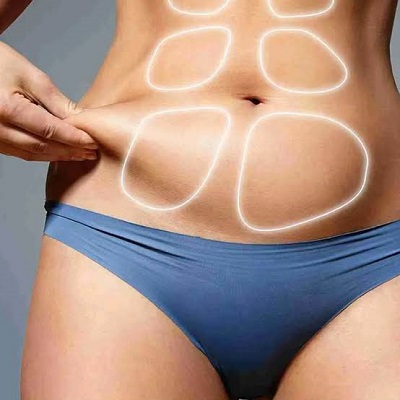
Why Are Recovery Supplies Important After Liposuction?
The body needs time to recover after liposuction. Temporary swelling, bruising, tenderness, fatigue, and fluid retention can occur during the early stages of healing. Some patients may also experience limited mobility for a short period, particularly when larger treatment areas have been addressed.
Having recovery supplies available before returning home can make this period more manageable. Simple items such as comfortable clothing, approved compression garments, pillows, wound-care supplies, and easily prepared meals can reduce the need to move around unnecessarily.
Preparation can also help patients focus on rest and following their aftercare instructions rather than shopping for essential items during recovery. A well-organized recovery space may provide greater comfort while the body gradually returns to normal activity.
Essential Compression Garments
A compression garment is one of the most commonly recommended recovery supplies after liposuction. Depending on the procedure, the surgical team may recommend wearing a specialized garment around the treated area for a specific period.
Compression garments are designed to provide gentle, consistent pressure over the treated areas. They may help control swelling and provide support while the tissues heal. The exact type, fit, and duration of use should be determined by the treating surgical team.
Patients should avoid purchasing a garment based solely on general sizing recommendations. An excessively tight garment can be uncomfortable, while one that is too loose may not provide the intended support.
It is often useful to have a clean replacement garment available if the surgical team recommends wearing one regularly. This allows one garment to be washed while the other is being used.
The garment should also be easy to put on and remove according to the patient's mobility and the treated area. Zippers, adjustable fasteners, or other practical features may make dressing easier during the early recovery period.
Comfortable and Loose-Fitting Clothing
Tight clothing can be uncomfortable when the body is swollen or tender after liposuction. Loose-fitting clothes are generally more practical during the first several days or weeks of recovery.
Soft fabrics, elastic waistbands, oversized shirts, and loose trousers can make dressing easier. Clothing that does not require significant bending, pulling, or stretching may also be more convenient when mobility is temporarily restricted.
For abdominal or lower-body procedures, loose nightwear and comfortable bottoms can be especially helpful. Patients may also prefer clothing that opens at the front if movement is difficult.
Footwear should be simple and stable. Slip-on shoes can reduce the need to bend down and tie laces, particularly during the first few days.
Wound-Care and Personal Hygiene Supplies
Depending on the surgical technique and the surgeon's instructions, patients may need basic wound-care supplies. These can include sterile gauze, dressings, medical tape, and other items specifically recommended for the incision sites.
However, not every patient will need the same supplies. Liposuction may involve small access points, and post-operative drainage or dressings can vary. Patients should therefore follow the exact wound-care instructions provided after surgery.
It is important not to apply creams, ointments, disinfectants, or other products to surgical areas unless they have been specifically recommended. Certain products can irritate healing skin or interfere with proper wound care.
Personal hygiene may also require some planning. A patient may not be able to shower immediately after surgery, depending on the instructions received. Gentle personal-care products and clean towels can be prepared in advance.
A clean, comfortable bathroom setup can make daily hygiene easier. If bending or standing for long periods is uncomfortable, having frequently used items within easy reach can also help.
Pillows and Sleeping Support
Finding a comfortable sleeping position can be challenging after liposuction. Swelling and tenderness may make certain positions uncomfortable, particularly when the treated area comes into contact with the mattress.
Extra pillows can provide useful support. Depending on the treatment area, pillows may help elevate certain parts of the body or create a more comfortable resting position.
For example, patients recovering from treatment around the abdomen may find it helpful to arrange pillows so that the body is comfortably supported without placing unnecessary pressure on sensitive areas.
A reclining chair may also be useful for some patients, although it is not essential for everyone. The most appropriate sleeping or resting position depends on the treated areas and the surgical team's recommendations.
The goal is not simply to find the most comfortable position but to rest in a way that does not place excessive pressure on healing areas.
Hydration, Nutrition, and Easy-to-Prepare Foods
Good nutrition is an important part of general recovery. The body needs adequate fluids, protein, vitamins, minerals, and calories to support normal healing.
Patients may not feel like preparing complicated meals immediately after surgery. Preparing simple meals in advance can therefore be helpful. Convenient options may include soups, cooked vegetables, eggs, yogurt, fruit, whole grains, lean protein, and other balanced foods that are easy to consume.
Adequate hydration is also important unless a medical professional has advised otherwise. Water should be readily available in the recovery area so that patients do not need to repeatedly walk around the house.
Some individuals may experience temporary nausea or reduced appetite after anesthesia or medication. Small, simple meals may be easier to tolerate initially. If persistent nausea, vomiting, inability to drink fluids, or other concerning symptoms occur, medical advice should be sought promptly.
Patients should also avoid starting supplements, herbal products, or special diets simply because they are marketed for surgical recovery. Some supplements can interact with medications or affect bleeding, so the surgical team should be consulted before use.
Medications and a Simple Recovery Station
Before surgery, patients should understand which medications have been prescribed or recommended for the recovery period. Any medication should be taken exactly according to the instructions provided.
A small recovery station near the bed, sofa, or preferred resting area can be particularly convenient. It may contain prescribed medications, water, tissues, a phone charger, reading material, and other frequently used items.
Keeping essential belongings nearby reduces unnecessary movement during the first stage of recovery.
Patients should also arrange transportation home after surgery if required. Depending on the procedure and anesthesia, driving may not be appropriate immediately afterward. Having a responsible adult available during the early recovery period can provide practical assistance and reassurance.
Additional Supplies That Can Make Recovery Easier
Some supplies are not medically essential but may make the recovery period more comfortable.
Useful items may include:
- Extra clean towels and bedding
- Disposable or washable protective pads if recommended
- A water bottle with an easy-to-use lid
- Phone and device chargers within reach
- A small table or bedside organizer
- Comfortable blankets
- Easy-to-open food containers
- Entertainment such as books, movies, or podcasts
- Hand sanitizer for convenient hand hygiene
- A notebook for recording medication times and follow-up questions
A patient may also benefit from arranging help with household responsibilities. Grocery shopping, cleaning, laundry, childcare, and pet care can require physical effort that may be difficult during the early recovery period.
The purpose of these preparations is to make recovery more convenient, not to create an unnecessarily complicated medical setup.
What Should Patients Avoid Buying or Using?
Recovery preparation should focus on items that are specifically useful and compatible with the surgeon's instructions. Patients should be cautious about products advertised as guaranteed solutions for swelling, bruising, scarring, or rapid fat reduction.
Unapproved creams, aggressive massage devices, compression products that are excessively tight, and supplements promoted for accelerated healing should not be used without professional guidance.
Manual lymphatic drainage or massage is sometimes incorporated into recovery plans, but it should only be performed when recommended and by an appropriately trained professional when required. The timing and technique can matter, particularly during the early stages of healing.
Patients should also avoid assuming that a product recommended for another person's recovery is appropriate for them. Liposuction recovery can differ considerably from one individual to another.
Preparing for Liposuction Surgery in Muscat
People considering Liposuction Surgery in Muscat can make the recovery process more manageable by preparing their home environment before the procedure. A few days of planning can eliminate many practical concerns later.
Before surgery, patients should clarify questions such as when they can shower, how long compression garments should be worn, when normal activities can resume, which medications are appropriate, and which symptoms require immediate medical attention.
It is also helpful to understand the expected follow-up schedule and arrange transportation when necessary.
The recovery period should not be rushed. Although some patients may feel better relatively quickly, swelling and tissue changes can continue for weeks or longer. Final body-contouring results may take time to become apparent as swelling gradually decreases.
Most importantly, recovery supplies should support—not replace—professional aftercare. Every patient's surgical plan is different, so individualized instructions remain the most reliable guide.
FAQs About Liposuction Recovery Supplies
1. What is the most important recovery supply after liposuction?
A properly fitted compression garment is one of the most commonly recommended supplies, but its use depends on the individual procedure and surgical instructions. Comfortable clothing, hydration supplies, wound-care materials when required, and a suitable resting area can also be important.
2. How many compression garments should a patient have?
Having a second clean garment can be convenient if compression wear is required for an extended period. However, the number and type should be based on the surgical team's recommendations and the patient's individual needs.
3. Can regular clothes be worn after liposuction?
Loose, soft, and comfortable clothing is generally easier to wear during early recovery. Tight clothing may feel uncomfortable because of swelling and tenderness. Clothing choices can also depend on the treated body area.
4. Are special foods required after liposuction?
There is no single recovery diet suitable for every patient. A balanced diet containing adequate protein, fluids, fruits, vegetables, and other nutrient-rich foods can support general recovery. Individual dietary requirements should be discussed with a qualified healthcare professional.
5. Can patients exercise soon after liposuction?
Physical activity usually needs to be resumed gradually. Light movement may be encouraged at an appropriate stage, while strenuous exercise and heavy lifting may need to be avoided for a period determined by the surgical team. Patients should follow their individualized activity instructions.
6. When should a patient contact the surgical team after liposuction?
Patients should contact their healthcare provider if they develop symptoms that are unexpected, severe, worsening, or inconsistent with their post-operative instructions. Significant bleeding, severe or increasing pain, breathing difficulties, chest pain, high fever, unusual swelling, or signs of infection require prompt medical attention.
Read More About Liposuction Surgery: https://writer.zohopublic.com/writer/published/bhmbtfa35b754667e45dd864ebcb0f3b7fc06