Botox injections have become a widely recognized cosmetic treatment for people who want to soften the appearance of facial lines and achieve a fresher, more youthful-looking appearance without undergoing surgery. The treatment is known for being relatively quick, minimally invasive, and associated with little downtime, making it an appealing option for many adults.
For individuals considering Botox Injections in Oman, understanding what the treatment can realistically achieve is an important part of making an informed decision. Botox can reduce the appearance of certain dynamic wrinkles, but the results are not permanent, and the outcome can vary from person to person.
Knowing how Botox works, when results usually become noticeable, how long they can last, and what factors affect the final appearance can help patients approach treatment with realistic expectations.
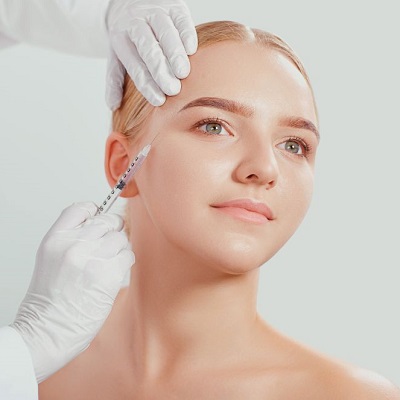
How Do Botox Injections Work?
Botox is a purified form of botulinum toxin that temporarily reduces the activity of specific muscles. Facial expressions such as smiling, frowning, squinting, and raising the eyebrows repeatedly contract certain muscles. Over time, these repeated movements can contribute to the development of dynamic wrinkles.
When Botox is carefully injected into selected muscles, it temporarily blocks the nerve signals responsible for muscle contraction. As the targeted muscles relax, the overlying skin can appear smoother, and certain expression-related lines may become less noticeable.
Botox is commonly used for areas such as forehead lines, frown lines between the eyebrows, and crow's feet around the eyes. Depending on the treatment plan, it may also be used for other cosmetic purposes.
The goal is generally not to eliminate every facial line or prevent normal facial expressions. Instead, a well-planned treatment aims to soften targeted wrinkles while maintaining a natural-looking appearance.
What Results Can Patients Expect From Botox?
The results of Botox are usually subtle rather than dramatic. Many patients notice that targeted wrinkles look softer and less pronounced after the treatment has taken effect.
One of the main benefits is the reduction of dynamic wrinkles. These are lines that become more visible when the face moves. When the underlying muscles are temporarily relaxed, these lines may become less noticeable.
The forehead may appear smoother, frown lines can look softer, and lines around the eyes may be reduced. The overall effect can make the face appear more refreshed without significantly changing a person's natural facial features.
Botox does not work in the same way as a dermal filler. Fillers are generally designed to restore volume or fill certain depressions, whereas Botox primarily works by reducing muscle movement. This distinction is important because Botox may not be the appropriate treatment for every type of wrinkle.
The final result also depends on the condition of the skin, the depth of the wrinkles, the amount of movement in the treated muscles, and the individual's response to treatment.
When Do Botox Results Become Visible?
Botox results do not usually appear immediately after the injections. Some people may begin noticing changes within a few days, but the effect generally develops gradually.
Many patients see an improvement during the first week, while the full effect may become more apparent after approximately two weeks. This gradual process allows the targeted muscles to become progressively more relaxed.
Patients should avoid judging the final outcome immediately after treatment. Temporary redness, swelling, small bumps, or tenderness can occur around injection points and usually settle relatively quickly.
A follow-up assessment may sometimes be recommended depending on the treatment plan and the individual's response. This can help determine whether the desired level of muscle relaxation has been achieved.
Patience is therefore an important part of the Botox process. Waiting for the treatment to fully develop provides a more accurate picture of the final result.
How Long Do Botox Results Last?
One of the most common questions surrounding Botox is how long the results will remain visible. In many cases, the effects last for approximately three to four months, although individual experiences can vary.
Some patients may notice that the results begin to gradually fade sooner, while others may enjoy the effects for longer. The duration can depend on factors such as the treatment area, muscle activity, dosage, metabolism, and whether the person has received Botox previously.
As the effect wears off, muscle activity gradually returns. The treated wrinkles may then become more noticeable again.
Regular treatments may help some individuals maintain a consistent appearance over time. However, treatment schedules should be determined according to individual needs rather than automatically repeating injections at a fixed interval.
A qualified medical professional can assess how the muscles are responding and recommend an appropriate approach for future sessions.
What Factors Affect Botox Results?
Several factors can influence how successful Botox treatment appears. Understanding these factors can help patients develop realistic expectations.
Treatment technique: The placement and amount of Botox used can have a significant impact on the final outcome. Precise injections are important because different facial muscles contribute to different expressions and wrinkle patterns.
Individual anatomy: Every face has different muscle strength, skin characteristics, and facial proportions. Two people receiving treatment in the same area may therefore experience somewhat different results.
Depth and type of wrinkles: Botox tends to work particularly well on dynamic wrinkles caused by repeated muscle movement. Lines that are visible even when the face is completely relaxed may require a different or additional treatment approach.
Muscle activity: People with stronger or more active facial muscles may experience a different duration or degree of relaxation compared with individuals whose muscles are less active.
Skin condition: Sun exposure, natural aging, skin elasticity, hydration, and other factors can influence how smooth the skin looks after the muscles have been relaxed.
Lifestyle: Certain lifestyle factors may affect the appearance and longevity of cosmetic results. A consistent skincare routine and protection from excessive sun exposure can support overall skin health.
These differences explain why Botox should be approached as an individualized treatment rather than a one-size-fits-all procedure.
Are Botox Results Supposed to Look Natural?
A common concern among first-time patients is whether Botox will make the face look stiff or expressionless. When Botox is appropriately planned and administered, the aim is generally to create a balanced and natural-looking result.
A natural outcome depends on treating the appropriate muscles and using an amount that suits the individual's facial anatomy and goals. The objective is often to soften excessive muscle movement rather than completely eliminate facial expression.
Patients seeking Botox Injections in Oman may benefit from discussing their preferred outcome before treatment. Some people want a very subtle improvement, while others may prefer a more noticeable reduction in specific wrinkles.
Clear communication about expectations can help the treatment provider develop a more suitable plan. It is also important to understand that Botox is a medical procedure and should be performed by an appropriately qualified professional.
What Should Patients Know Before and After Botox?
Before receiving Botox, patients generally have an assessment to discuss their concerns, medical history, medications, allergies, previous cosmetic treatments, and desired outcome. This consultation helps determine whether Botox is suitable and which areas may benefit from treatment.
Patients should provide complete and accurate health information and follow the preparation instructions provided by their healthcare professional.
After treatment, temporary effects such as mild redness, swelling, tenderness, or small raised areas at injection sites may occur. These effects are typically temporary.
The treatment provider may recommend specific aftercare instructions, including avoiding certain activities for a period of time. Patients should follow those instructions carefully rather than relying on generalized advice from social media or other informal sources.
It is also important to remember that Botox is not a permanent treatment. Maintaining results usually involves repeat treatments when the effects have sufficiently diminished.
Anyone experiencing unusual or concerning symptoms after treatment should contact an appropriate healthcare professional for advice.
Is Botox Right for Everyone?
Botox may be suitable for many adults who want to reduce the appearance of dynamic facial wrinkles, but it is not appropriate for everyone.
A professional assessment is important before treatment because certain medical conditions, medications, allergies, pregnancy or breastfeeding considerations, and other individual circumstances may affect whether Botox is recommended.
Expectations are equally important. Botox can soften selected wrinkles, but it cannot stop the natural aging process or correct every type of skin concern.
People with significant sun damage, volume loss, deep static wrinkles, or changes in skin texture may require a different approach or a combination of treatments. A personalized consultation can help identify the most suitable option.
Ultimately, the best Botox result is not necessarily the one that removes every line. For many patients, a successful result is one that makes the face appear rested and refreshed while preserving natural movement and facial character.
Frequently Asked Questions About Botox Injections
1. How quickly does Botox start working?
Botox usually takes several days to begin producing noticeable effects. Improvement often becomes more visible during the first week, while the full effect may take around two weeks to develop.
2. How long do Botox injections usually last?
The effects commonly last around three to four months, although the exact duration varies between individuals. Muscle activity, treatment area, dosage, metabolism, and individual response can all influence longevity.
3. Does Botox completely remove wrinkles?
Botox can significantly soften certain dynamic wrinkles, but it does not necessarily eliminate every line. Results depend on the depth and type of wrinkles and the condition of the skin.
4. Will Botox make the face look frozen?
When appropriately administered, Botox is generally intended to soften excessive muscle movement rather than eliminate natural facial expressions. The amount and placement of treatment play an important role in achieving a natural-looking result.
5. Is there downtime after Botox injections?
Botox typically involves minimal downtime. Some patients may experience temporary redness, swelling, tenderness, or small bumps around the injection sites. Specific aftercare instructions should be followed after treatment.
6. Can Botox results be maintained with repeat treatments?
Yes, many people choose repeat treatments when the effects begin to fade. The appropriate timing varies from person to person and should be determined with guidance from a qualified healthcare professional.
For those considering Botox Injections in Oman, realistic expectations, individualized treatment planning, and appropriate medical guidance are key to achieving a safe and satisfying outcome. Botox can provide a noticeable but refined improvement by temporarily relaxing targeted facial muscles and softening expression-related wrinkles. Understanding the treatment process and its limitations allows patients to make informed decisions and approach cosmetic treatment with confidence.
Read More About Botox Injections: https://pdplex.blog/the-most-common-reasons-people-consider-botox-injections/