Glutathione injections have attracted attention among people interested in antioxidant support, skin brightening, and other wellness or cosmetic goals. The treatment involves administering glutathione, a naturally occurring antioxidant involved in protecting cells from oxidative stress. However, because an injection delivers a substance directly into the body, a proper medical assessment is important before treatment is considered.
For people researching Glutathione Injections in Muscat, one of the most important questions is whether blood tests or other medical checks are necessary beforehand. The answer depends on the person's health, medical history, medications, treatment goals, and the healthcare professional's assessment. Not every person will need the same tests, and some individuals may require additional evaluation before proceeding.
A pre-treatment assessment is not simply about deciding whether someone can receive glutathione. It can also help identify conditions that may increase the risk of complications and determine whether the proposed treatment is appropriate in the first place.
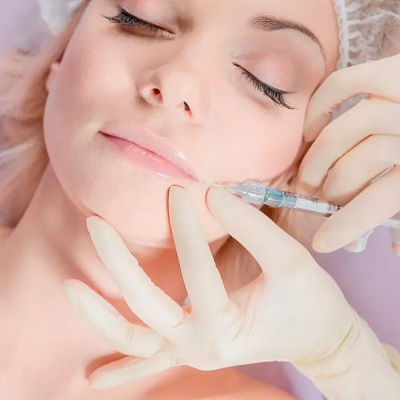
Why Are Tests Considered Before Glutathione Injections?
Glutathione is naturally produced by the body, but injectable administration is different from simply obtaining nutrients through food. Intravenous or other injectable treatments can cause systemic effects and may involve risks related to the medication itself, the dose, the route of administration, and the quality of the injectable preparation.
A healthcare professional will generally begin with a medical history and physical assessment. This may include questions about allergies, previous reactions to injections, current medications, chronic illnesses, pregnancy or breastfeeding, and the reason for seeking treatment.
Recent safety concerns also highlight why the quality of an injectable product matters. In August 2026, the U.S. Food and Drug Administration warned compounders not to use dietary-supplement-grade glutathione when preparing injectable drugs. The agency reported adverse events associated with some compounded intravenous glutathione products and emphasized the importance of using ingredients appropriate for sterile injectable preparations.
This means that patient testing is only one part of safety. The source, preparation, storage, sterility, and handling of the injectable product are also important considerations.
1. Medical History and Physical Assessment
Before ordering laboratory tests, a healthcare professional may perform a detailed medical assessment. In many cases, this is the most important first step.
The assessment may cover:
- Previous allergic or medication reactions
- Asthma or breathing-related problems
- Kidney or liver conditions
- Blood disorders
- Current medications and supplements
- Previous reactions to intravenous treatments
- Pregnancy or breastfeeding status
- Existing medical conditions
- Previous cosmetic or wellness injections
- The person's reason for considering glutathione
The healthcare professional may also check blood pressure, pulse, general health, and other basic observations when appropriate.
This initial assessment can help determine whether laboratory testing is necessary. For a healthy individual with no concerning medical history, extensive testing may not always be required. On the other hand, a person with an underlying condition or symptoms may need more detailed investigation.
2. Liver Function Tests
Liver function tests may be considered when there is a history of liver disease, abnormal liver results, unexplained symptoms, or other reasons for concern.
Common liver-related blood tests can include measurements such as ALT, AST, bilirubin, alkaline phosphatase, and other markers selected according to the person's circumstances.
Glutathione participates in several antioxidant and detoxification-related processes in the body, but this does not mean that injectable glutathione should be viewed as a treatment for liver disease or as a general "detox" solution.
A recent review of glutathione used for cosmetic skin lightening noted that the evidence for intravenous glutathione remains limited and that safety concerns, including possible liver effects, require caution.
Therefore, people with known liver problems may benefit from discussing their condition and recent laboratory results with a qualified healthcare professional before considering treatment.
3. Kidney Function Tests
Kidney function may also be evaluated, particularly when a person has kidney disease, abnormal previous blood results, dehydration, or other relevant risk factors.
Tests may include serum creatinine, estimated glomerular filtration rate (eGFR), and sometimes other measurements depending on the individual's medical history.
There is no universal rule stating that every person must have kidney testing before receiving glutathione injections. Instead, the decision is generally based on clinical circumstances.
This distinction is important because online discussions sometimes suggest that everyone needs a long list of blood tests before any cosmetic injection. In reality, appropriate testing should be individualized rather than performed simply because a treatment is popular.
4. Complete Blood Count and Other Blood Tests
A complete blood count (CBC) may be recommended when a healthcare professional believes it could provide useful information about the person's overall health.
A CBC measures components such as red blood cells, white blood cells, hemoglobin, and platelets. It can help identify certain abnormalities, including anemia or unusual blood-cell patterns.
Other blood tests may be considered depending on the individual's symptoms and medical history. For example, a person experiencing unexplained fatigue may need an evaluation for causes unrelated to glutathione rather than proceeding directly with an injection.
The purpose of pre-treatment testing should therefore be broader than simply "clearing" someone for an injection. It should help ensure that an underlying health issue is not being overlooked.
5. Allergy and Medication Review
There is not necessarily a single routine blood test that can predict whether someone will have an allergic reaction to glutathione. Instead, careful medical history is particularly important.
A healthcare professional may ask whether the person has previously experienced:
- Severe reactions to medicines
- Breathing difficulty after an injection
- Hives or swelling
- Fainting or significant blood-pressure changes
- Reactions to intravenous products
- Sensitivity to ingredients that may be included alongside glutathione
Medication review is equally important. A person should provide a complete list of prescription medicines, over-the-counter products, vitamins, herbal supplements, and other injectable treatments.
This information allows the healthcare professional to determine whether additional precautions or investigations are appropriate.
6. Pregnancy, Breastfeeding, and Other Special Considerations
People who are pregnant, planning pregnancy, or breastfeeding should discuss glutathione injections with a qualified healthcare professional before considering treatment.
Cosmetic intravenous glutathione has not been established as a routine treatment with well-defined safety data for these groups. Because the evidence surrounding intravenous glutathione for cosmetic purposes remains limited, unnecessary exposure should generally be approached cautiously.
People with chronic kidney disease, liver disease, asthma, significant allergies, or other medical conditions should also disclose those conditions before treatment.
Age can be another consideration. The suitability of cosmetic or wellness injections may differ depending on the individual's age and overall health.
Are Special Tests Always Required for Glutathione Injections in Muscat?
There is no single universal testing package that applies to every person seeking Glutathione Injections in Muscat.
One individual may only need a medical history and basic assessment, while another may require blood work because of a previous medical condition or abnormal test result. The healthcare professional may decide that liver or kidney testing is appropriate, or that treatment should be postponed until an existing health issue has been evaluated.
This individualized approach is generally more sensible than assuming that a fixed set of tests is mandatory for everyone.
People considering treatment can ask several practical questions before an injection:
- What is the purpose of the treatment?
- Why is glutathione being recommended?
- What dose and route are being proposed?
- Is any blood testing recommended beforehand?
- What medical conditions could make treatment unsuitable?
- What ingredients are contained in the injectable preparation?
- How is the product sourced and prepared?
- What side effects should be reported immediately?
These questions can help a person make a more informed decision.
What About Glutathione Injections for Skin Brightening?
Skin brightening is one reason some people consider injectable glutathione. The proposed mechanism involves glutathione's influence on oxidative processes and melanin production. However, evidence supporting intravenous glutathione as a reliable cosmetic skin-lightening treatment remains limited.
A 2026 narrative review found that existing studies have important limitations, including small sample sizes, differences in dosing and treatment protocols, limited follow-up, and uncertainty about long-term safety. The review concluded that the available evidence is not sufficient to support routine intravenous glutathione use for cosmetic skin lightening.
This is an important consideration for anyone searching for Glutathione Injections in Muscat. A treatment being widely discussed online does not necessarily mean that its benefits and risks have been established to the same degree as those of well-studied medical treatments.
A healthcare professional may also consider alternative approaches depending on the person's concern. Uneven pigmentation, melasma, acne marks, or sun-related discoloration can have different causes, and treatment should ideally be based on the underlying condition.
Injectable Quality Matters as Much as Patient Testing
People sometimes focus heavily on which blood tests they should have before an injection while overlooking another critical issue: the quality and handling of the injectable product.
Sterile injectable medicines require appropriate manufacturing or compounding standards. In 2026, the FDA reported several safety alerts involving compounded glutathione products with elevated endotoxin levels. Reported problems included fever, chills, nausea, headache, low blood pressure, and other potentially serious reactions.
Endotoxins are contaminants that can cause significant inflammatory reactions when present in injectable products. The FDA has emphasized that dietary-supplement-grade ingredients should not be used to prepare sterile injectable drugs.
For this reason, people should not assume that laboratory testing alone makes an injection safe. Proper sourcing, sterile preparation, storage, handling, and professional administration are also essential.
What Should Someone Expect Before the First Injection?
A responsible pre-treatment process should begin with a consultation rather than an immediate injection.
The healthcare professional may review the person's medical history, discuss treatment goals, examine relevant health factors, and determine whether testing is appropriate. If laboratory tests are ordered, the results should be interpreted in the context of the individual's overall health.
If abnormal results are identified, treatment may need to be delayed while the cause is investigated. In some situations, an alternative treatment may be more appropriate.
After the injection, people should also know which symptoms require prompt medical attention. Severe difficulty breathing, facial or throat swelling, fainting, severe dizziness, chest discomfort, or other sudden serious symptoms should be treated as medical emergencies.
For less severe symptoms, the person should still contact the healthcare professional who administered the treatment for advice.
Frequently Asked Questions
1. Is a blood test always required before glutathione injections?
Not necessarily. Testing requirements depend on the person's medical history, current health, medications, treatment purpose, and healthcare professional's assessment. Some people may need liver or kidney testing, while others may not require extensive laboratory investigations.
2. Which tests may be recommended before glutathione injections?
Depending on individual circumstances, testing may include liver function tests, kidney function tests, a complete blood count, or other investigations. These tests are not automatically required for everyone and should be selected based on clinical need.
3. Are glutathione injections safe for everyone?
No treatment is suitable for everyone. Injectable glutathione can have risks, and recent regulatory reports have highlighted concerns involving the quality of some compounded injectable products. A proper medical assessment can help identify situations in which treatment may be inappropriate.
4. Can glutathione injections permanently lighten the skin?
There is currently insufficient high-quality evidence to establish intravenous glutathione as a reliable permanent skin-lightening treatment. Available research has limitations, and results can vary between individuals. Long-term safety and effectiveness also remain uncertain.
5. Should people with kidney or liver problems receive glutathione injections?
People with kidney or liver conditions should disclose their medical history before considering treatment. Additional testing or specialist assessment may be appropriate depending on the condition and its severity. Treatment decisions should be individualized rather than based on general online recommendations.
6. What should someone check before receiving glutathione injections in Muscat?
A person should verify that the treatment is being provided by an appropriately qualified healthcare professional and that the injectable product is intended for sterile administration and handled properly. It is also reasonable to ask about the treatment's purpose, potential risks, ingredients, route of administration, and whether any medical testing is recommended beforehand.
Final Thoughts
Before considering Glutathione Injections in Muscat, an individual should focus on more than simply finding out which tests are required. A thorough medical history, appropriate physical assessment, individualized laboratory testing when indicated, and careful review of medications and existing health conditions all contribute to safer decision-making.
Liver and kidney function tests, a complete blood count, and other investigations may be useful in selected individuals, but there is no universal testing checklist that applies to every person. The need for testing should be determined by a qualified healthcare professional.
Just as importantly, the quality of the injectable preparation matters. Recent FDA safety alerts demonstrate that inappropriate ingredients and contamination can create serious risks with compounded injectable glutathione.
Anyone considering treatment should therefore approach it as a medical decision rather than simply a cosmetic procedure. Understanding the potential benefits, limitations, testing requirements, product quality, and possible risks can help individuals make informed choices that fit their personal health circumstances.
Read More About Glutathione Injections: https://writer.zohopublic.com/writer/published/6hy09a6b37a86fd534bc3a554ba179be280f2