Acne scars can affect more than the appearance of the skin. For many people, they can influence self-confidence and make achieving a smooth, even complexion feel challenging. Although acne may eventually clear, the marks and changes in skin texture left behind can remain for months or even years. Fortunately, modern dermatology offers several treatment options that can help reduce the appearance of acne scars and improve overall skin texture.
For people exploring treatment options, Dermatologists in Oman can provide professional guidance on identifying different types of acne scars and choosing suitable procedures. The right approach depends on several factors, including scar depth, skin type, the presence of active acne, and the individual's expectations. Some scars respond well to topical treatments, while deeper indentations may require professional procedures such as microneedling, chemical peels, laser treatments, or subcision.
Understanding these options can help individuals make informed decisions about their skincare journey. With a personalized treatment plan, realistic expectations, and consistent aftercare, many people can achieve noticeable improvements in the appearance of acne scars.
1. Understanding Different Types of Acne Scars
Before recommending a treatment, a dermatologist usually examines the skin to determine the type and severity of scarring. Acne scars do not all look the same, and different scar patterns often require different approaches.
Atrophic scars are depressions in the skin that develop when the healing process does not produce enough collagen. They are among the most common forms of acne scarring and include three main types:
- Ice pick scars: These are narrow, deep indentations that resemble small puncture marks. Their depth can make them particularly challenging to treat.
- Boxcar scars: These scars have wider depressions with clearly defined edges. They may be shallow or deep and often appear on the cheeks and temples.
- Rolling scars: These create a wavy or uneven skin texture because fibrous bands beneath the skin pull the surface downward.
Another category includes hypertrophic and keloid scars, which develop when excess collagen forms during healing. These scars are raised above the surrounding skin and may feel firm or itchy.
It is also important to distinguish true scars from post-acne marks. Red, pink, brown, or dark spots that remain after pimples heal may result from inflammation and changes in pigmentation rather than permanent changes in skin structure. These marks can gradually fade, although the process may take several months.
Identifying the difference between pigmentation and structural scarring is an important first step. It helps dermatologists select treatments that address the actual concern rather than relying on products or procedures that may offer limited benefits.
2. Topical Treatments and Chemical Peels for Acne Scars
Topical products and chemical peels are often considered for mild scarring, uneven skin tone, and post-acne discoloration. They may also form part of a broader treatment plan for people who need to control active acne while improving their skin's appearance.
Topical retinoids are vitamin A derivatives that encourage skin cell turnover and support collagen production over time. They may help improve mild textural irregularities, reduce clogged pores, and prevent new acne breakouts. However, they are generally less effective for deep, established scars when used alone.
Other topical ingredients, including azelaic acid, may help reduce post-inflammatory hyperpigmentation and improve uneven skin tone. Sunscreen is equally important because ultraviolet exposure can make dark marks more noticeable and prolong their appearance.
Chemical peels offer another option. During this procedure, a dermatologist applies a carefully selected chemical solution to exfoliate the outer layers of the skin. Depending on the formulation and depth, a peel may help improve superficial acne marks, mild textural irregularities, and uneven pigmentation.
Common options include superficial peels using ingredients such as glycolic acid or salicylic acid. Stronger peels may be appropriate in selected cases, but they carry greater risks and require more careful assessment.
People with darker skin tones need particular consideration because irritation or excessive peeling can trigger post-inflammatory hyperpigmentation. A dermatologist can select an appropriate formulation and treatment strength to reduce this risk.
At-home exfoliating products may complement professional care, but aggressive scrubbing, frequent acid use, and unregulated skin-lightening products can worsen irritation. Professional advice is especially valuable when scars are accompanied by sensitive skin or ongoing breakouts.
3. Microneedling and Radiofrequency Treatments
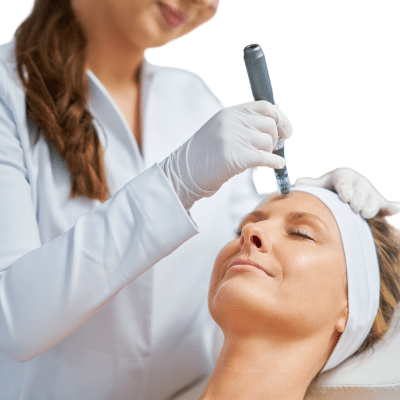
Microneedling is a popular procedure for improving the appearance of certain atrophic acne scars. It uses a specialized device with fine needles to create controlled micro-injuries in the skin. These tiny channels activate the body's natural healing response and encourage collagen and elastin production.
As new collagen develops, the skin may gradually become smoother, and shallow depressions can become less noticeable. Microneedling is often considered for rolling scars and some shallow boxcar scars, although the results depend on scar depth and individual healing characteristics.
Treatment usually involves a series of sessions rather than a single procedure. The number required varies according to the severity of scarring, the device used, and the skin's response. Temporary redness, swelling, sensitivity, and pinpoint bleeding can occur after treatment.
Radiofrequency microneedling combines tiny needles with radiofrequency energy delivered into the skin. The energy generates controlled heat that stimulates collagen remodeling. This approach may improve selected acne scars and skin texture, although suitability depends on the person's skin condition and the technology being used.
Both procedures require proper technique, sterile equipment, and appropriate aftercare. People with active acne, certain skin infections, a tendency to develop abnormal scars, or other relevant medical concerns may need to postpone treatment or consider alternatives.
Choosing an appropriately trained professional is particularly important because excessive treatment intensity can lead to burns, prolonged inflammation, infection, or unwanted pigmentation changes.
4. Laser Resurfacing and Other Advanced Procedures
Laser treatments can help improve acne scars by targeting the skin's surface or stimulating collagen production in deeper layers. The most appropriate laser depends on the scar pattern, skin tone, recovery preferences, and the degree of improvement desired.
Fractional laser resurfacing is commonly considered for atrophic acne scars. It creates microscopic treatment zones surrounded by untreated skin, allowing the skin to heal while stimulating collagen remodeling. Ablative fractional lasers remove tiny columns of tissue, while non-ablative fractional lasers heat targeted areas without removing the outer skin in the same way.
Ablative treatments may provide substantial improvement for selected scars but generally involve more downtime and a higher risk of complications. Non-ablative options often require several sessions and may involve a shorter recovery period.
Laser treatment can be useful for some boxcar and rolling scars, but deep ice pick scars may respond poorly to laser resurfacing alone. People with darker skin tones should receive a careful assessment because some laser settings and treatment types can increase the risk of post-inflammatory hyperpigmentation.
Other procedures may be recommended for specific scar types:
- Subcision: A dermatologist uses a small needle or specialized instrument beneath the skin to release fibrous bands pulling a scar downward. It is particularly useful for selected rolling scars.
- Punch excision or punch elevation: These techniques may be used for certain deep, narrow, or sharply defined scars. The affected area is surgically removed or elevated, depending on the technique.
- Dermal fillers: Certain fillers can temporarily raise depressed scars and create a more even surface. The duration of improvement depends on the filler and the individual's response.
- Corticosteroid injections: These may help flatten selected raised hypertrophic or keloid scars, sometimes alongside other treatments.
No single procedure works equally well for every type of acne scar. In some cases, a combination of treatments provides better results than one procedure alone.
5. How Dermatologists in Oman Choose the Right Acne Scar Treatment
Selecting an acne scar treatment involves more than identifying the visible marks. A dermatologist considers the skin's overall condition, medical history, previous treatments, and the individual's priorities before recommending a plan.
During the consultation, the dermatologist may assess scar depth, pigmentation, skin sensitivity, and whether active acne is still present. Controlling ongoing breakouts is often an important priority because new inflammation can lead to additional scars.
For people considering Dermatologists in Oman, it is also helpful to discuss how the local climate and daily sun exposure may affect recovery. Hot weather, strong sunlight, and outdoor activities can make sun protection particularly important after procedures that temporarily weaken the skin's protective barrier.
A personalized plan may include one treatment or several approaches performed in stages. For example, subcision may be considered for rolling scars, followed by microneedling or fractional laser treatment to improve overall texture. Superficial pigmentation may be addressed separately with suitable topical products or chemical peels.
The consultation is also an opportunity to discuss potential side effects, the expected number of sessions, recovery time, and the likelihood of improvement. Results are usually gradual because collagen remodeling takes time, and complete removal of established acne scars is rarely realistic.
When comparing treatment options, individuals should prioritize professional qualifications, appropriate equipment, hygiene standards, and clear explanations of risks rather than choosing a procedure based only on popularity.
6. Recovery, Aftercare, and Long-Term Skin Maintenance
Aftercare plays an important role in protecting the skin and supporting treatment results. Recovery requirements vary according to the procedure. Topical treatments may cause dryness or irritation, while laser resurfacing and deeper procedures can require several days or longer for the skin to recover.
A dermatologist may recommend gentle cleansing, a suitable moisturizer, and broad-spectrum sunscreen with SPF 30 or higher. Sun protection is particularly important for people who develop pigmentation easily. Protective clothing and limiting direct sun exposure during recovery can also help.
Strong exfoliants, retinoids, fragranced products, and other potentially irritating ingredients may need to be avoided temporarily after certain procedures. The appropriate waiting period depends on the treatment and the condition of the skin.
Individuals should avoid picking at peeling skin, scratching treated areas, or attempting to remove scabs. These actions can delay healing and increase the risk of infection or discoloration.
Long-term maintenance is equally important. Treating active acne early, following a consistent skincare routine, and attending recommended follow-up appointments can reduce the risk of further scarring. Any persistent redness, worsening pain, increasing swelling, discharge, or other signs of infection should be assessed promptly by a healthcare professional.
Patience is essential because acne scar treatment is a gradual process. Some people notice improvements within a few weeks, while collagen-based procedures may take several months to show their full effect. Progress can vary, and maintaining realistic expectations helps individuals evaluate treatment outcomes more confidently.
Frequently Asked Questions About Acne Scar Treatments
1. Can acne scars be removed completely?
Acne scars can often be improved significantly, but complete removal is not usually possible. Treatment can make scars shallower, soften uneven texture, and reduce discoloration. The degree of improvement depends on the scar type, its depth, skin characteristics, and the chosen procedure.
2. Which treatment is best for deep acne scars?
The most suitable treatment depends on the shape and depth of the scars. Deep ice pick scars may benefit from techniques such as punch excision or targeted chemical reconstruction, while rolling scars may respond to subcision. A dermatologist may recommend combining procedures to address different scar patterns.
3. How many sessions are needed to treat acne scars?
The number of sessions varies according to the treatment and severity of scarring. Microneedling, fractional laser procedures, and chemical peels may require multiple sessions spaced several weeks apart. The treatment plan should be adjusted according to healing and visible progress.
4. Is acne scar treatment suitable for darker skin tones?
Yes, many acne scar treatments can be used for darker skin tones, but careful treatment selection is essential. Some procedures can trigger post-inflammatory hyperpigmentation if they cause excessive inflammation. A dermatologist should assess the skin tone, pigmentation history, and risk factors before recommending treatment.
5. Can acne scars be treated while active acne is present?
Some treatments may be possible, but active inflammatory acne often needs to be controlled first. Procedures performed on inflamed or infected skin may increase the risk of complications and additional scarring. A dermatologist can recommend an appropriate sequence based on the severity of the acne.
6. How can individuals choose suitable dermatology care in Oman?
Individuals should look for appropriately qualified dermatology professionals who assess the skin before recommending procedures, explain the benefits and risks, and provide clear aftercare instructions. Asking about experience with the relevant scar type, suitability for the person's skin tone, and realistic expected outcomes can support a more informed decision.
Treating acne scars requires a personalized approach, careful assessment, and realistic expectations. From topical treatments and chemical peels to microneedling, laser resurfacing, and targeted procedures, several options can improve the appearance of uneven skin. Understanding the differences between these treatments helps individuals make informed decisions and work toward healthier-looking skin.
For those researching Dermatologists in Oman, a professional consultation is a useful starting point for identifying the type of scarring, discussing appropriate treatment options, and developing a plan that fits their skin's needs. With suitable treatment, consistent aftercare, and effective acne management, many people can achieve meaningful improvements in skin texture and confidence.
Read More About Dermatologists in Oman: https://pdplex.blog/what-treatments-do-dermatologists-offer-for-acne-scars/